
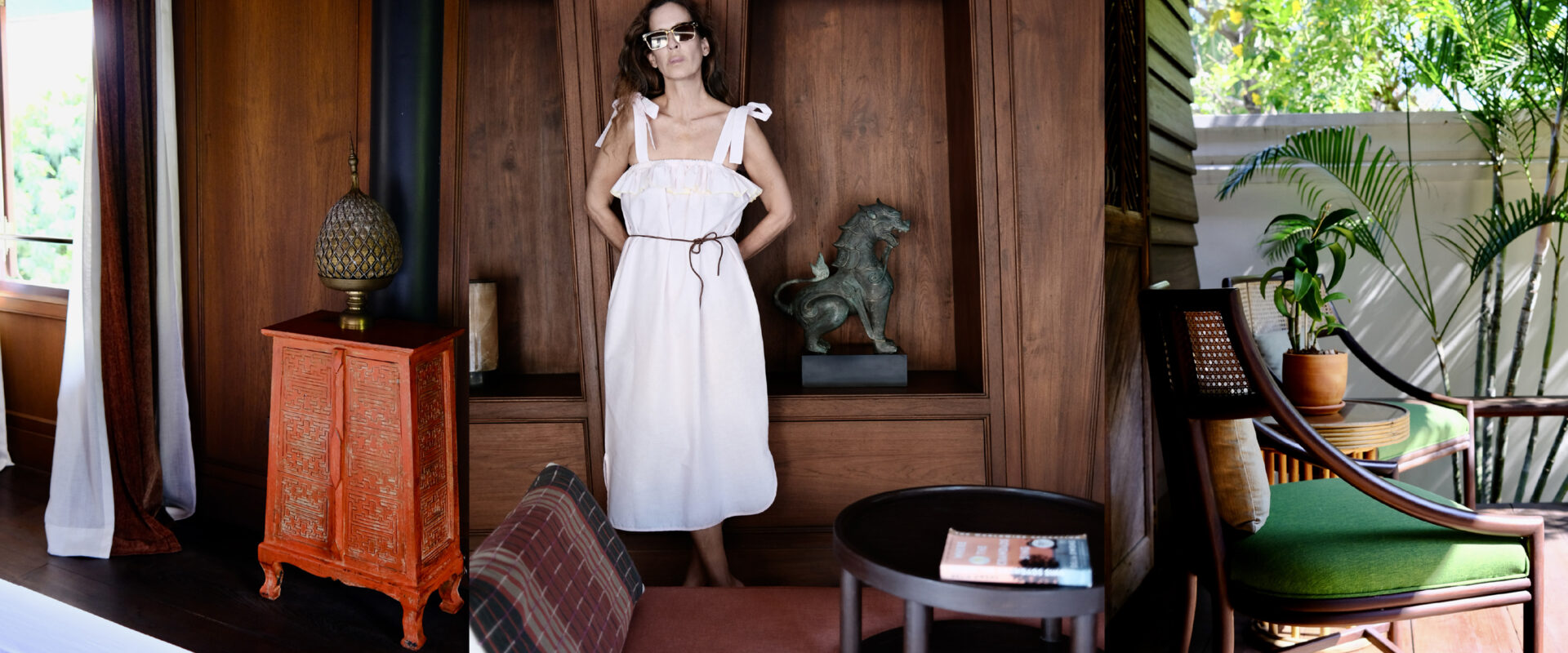
Bangkok is a city of velocity: glass towers, highways, billboards, traffic humming day and night, heat that feels almost architectural in its intensity. Yet only a short boat ride from downtown hotels, another Bangkok begins to unfold—quieter, slower, suspended in time.
On the western banks of the Chao Phraya, where canals still shape everyday life and have a reminiscence of Venice, Siri Sala Siri Sala Private Thai Villa feels less like a destination and more like a rediscovery. Here, the city loosens its grip. The air softens. Longtail boats glide past wooden houses on stilts, monks move silently across the temple Wat Suwannaram across the river.
Siri Sala is not a hotel in the conventional sense. It is a private house (only five rooms, it can sleep 12 people) turned sanctuary, shaped by a deep respect for Thai architectural heritage and a rare sensitivity to place.
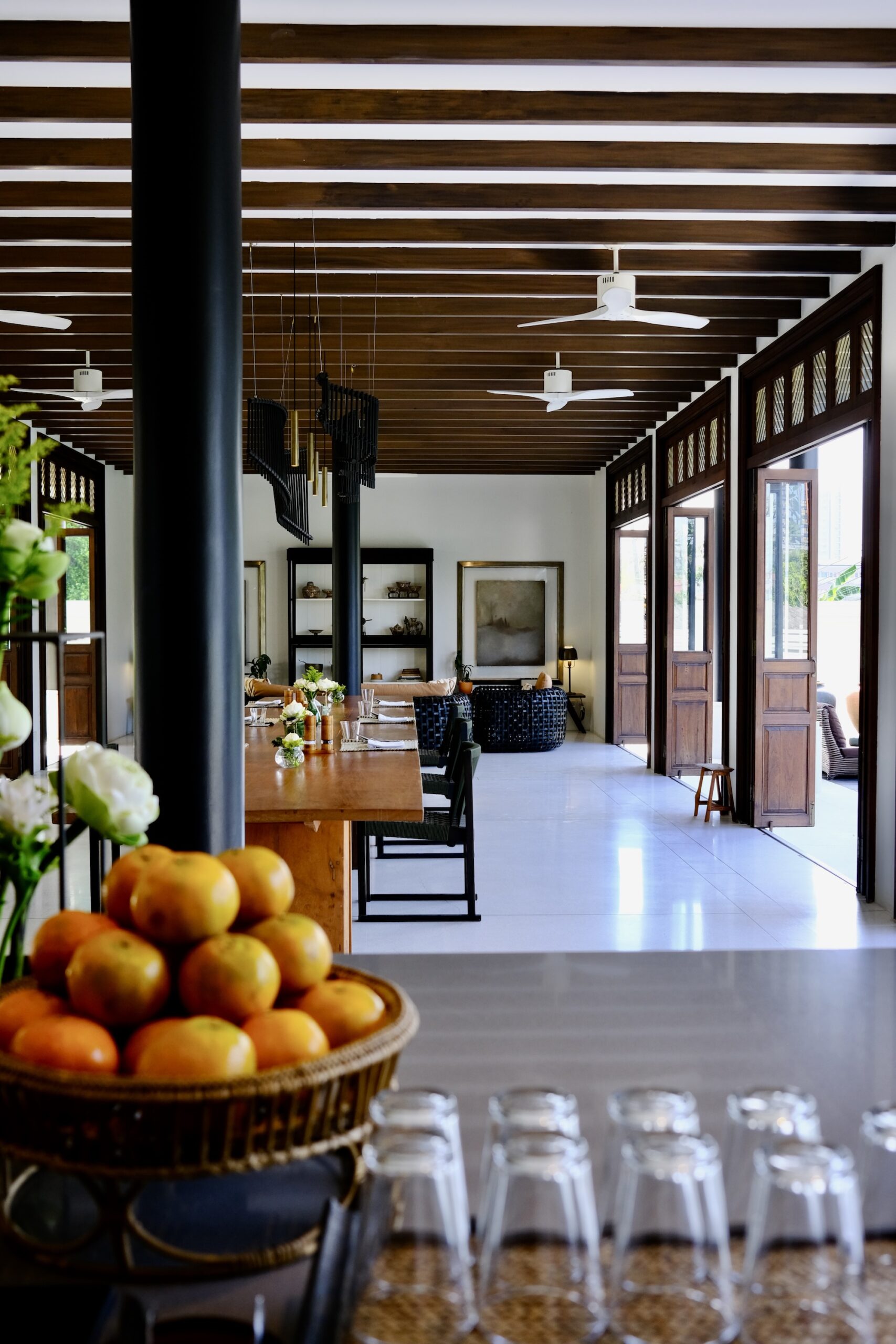
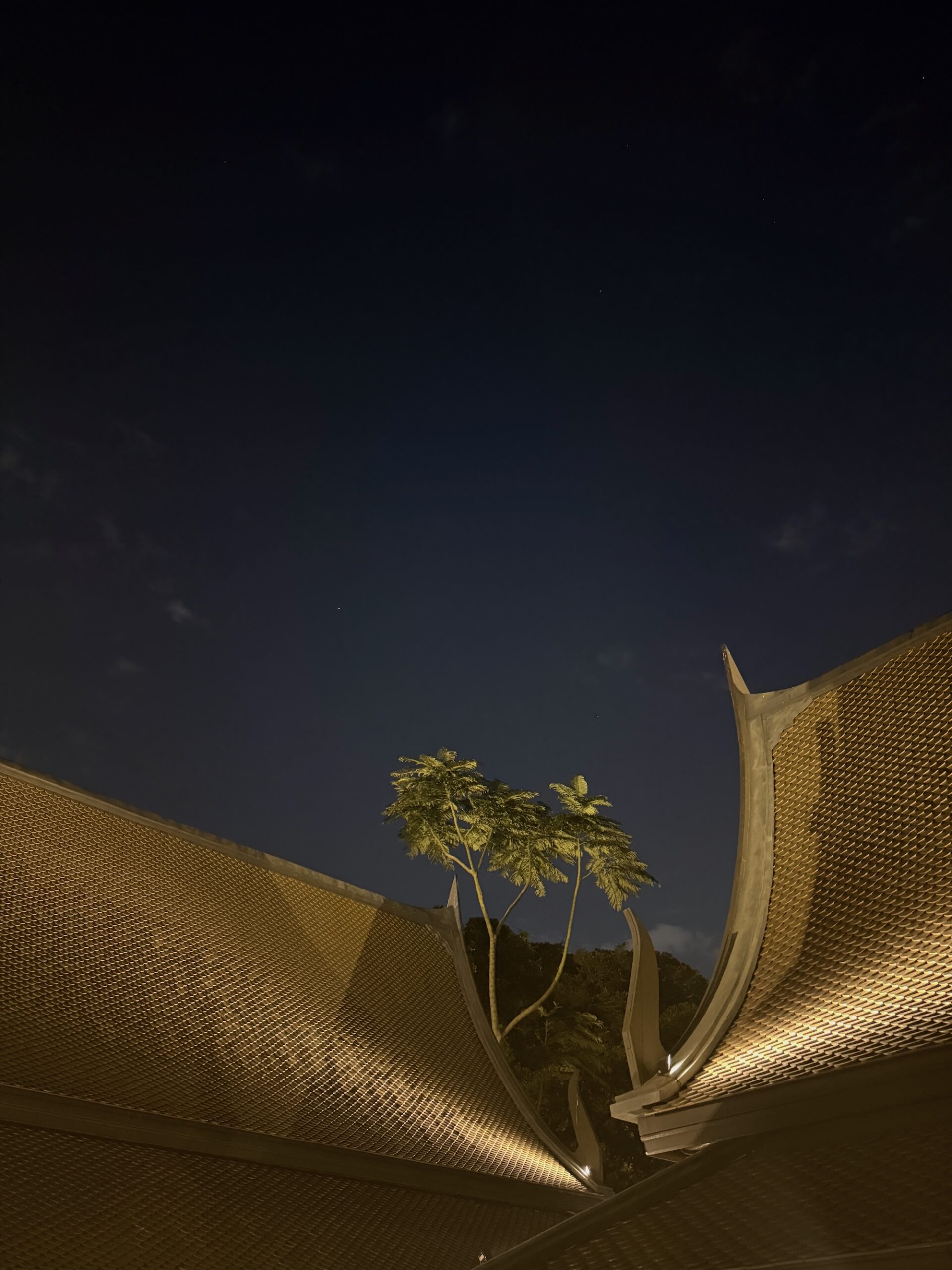
The villa emerges from a cluster of traditional wooden dwellings, carefully restored and reimagined, their original spirit preserved rather than polished away. Teak beams, clay-tiled roofs and open courtyards evoke a time when Bangkok grew organically along waterways, not highways.
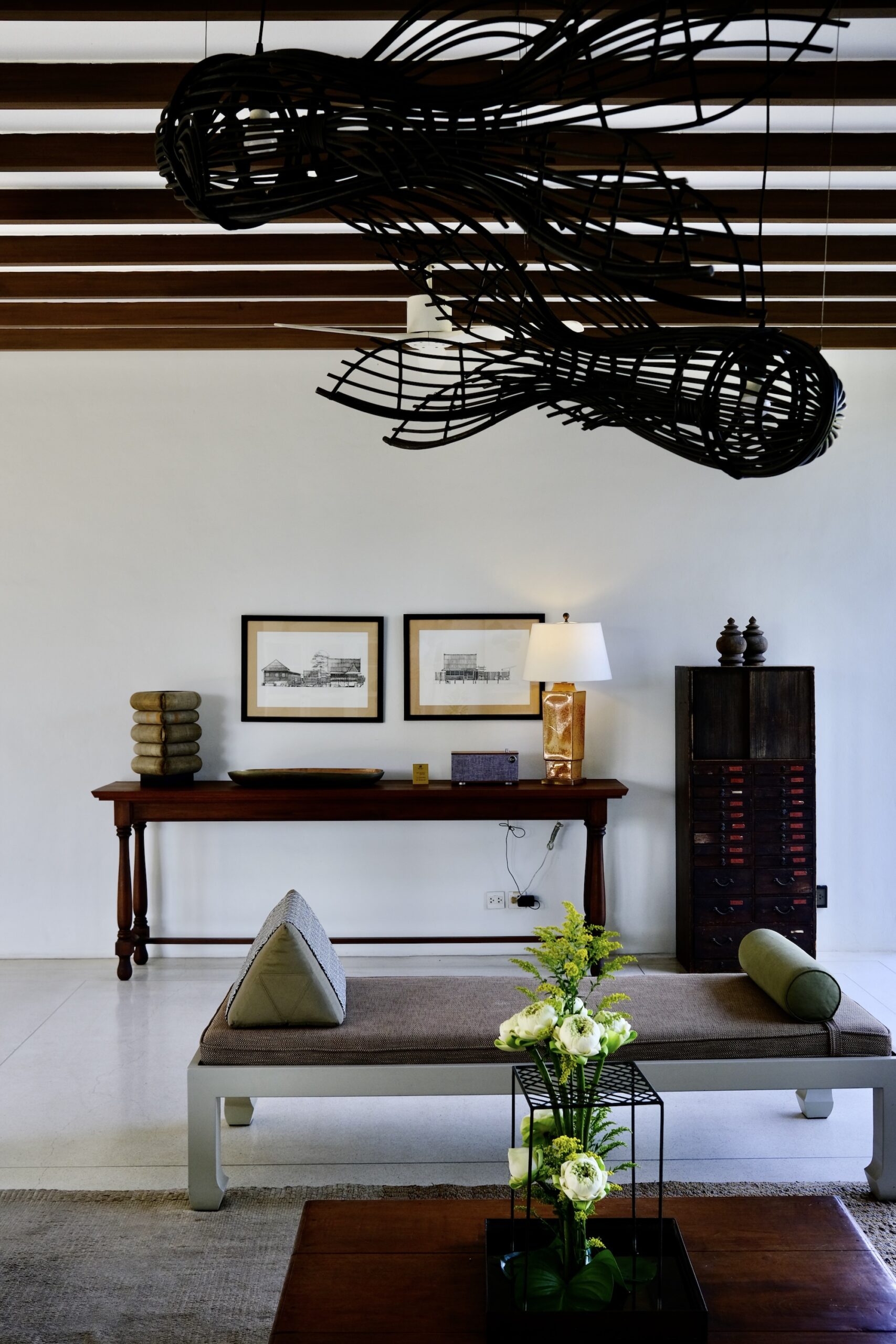
Stepping inside, everything feels intimate and personal. Objects seem chosen for their stories rather than their status and spaces unfold with quiet confidence. The house breathes history yet remains unmistakably contemporary in its comfort and ease—a balance rarely achieved in a city so often defined by extremes.
Days at Siri Sala unfold at a gentler pace. Mornings and start slow and the rhythm of the boats, gliding through the river; afternoons invite lingering conversations either with your family and friends or other guests that you meet easily, a swim in the green tiled pool, followed by delicious afternoon delights homemade by the chef and slow explorations of the surrounding khlongs. What makes the villa particularly compelling, however, is its contrast with the city centre. Staying in one of Bangkok’s grand downtown hotels—along Sukhumvit, Silom or Lumpini—means immersion in the city’s contemporary rhythm: rooftop bars, Michelin-starred dining, galleries and malls.
Siri Sala offers the perfect counterpoint. It is not an alternative to Bangkok’s urban energy, but its complement—a place to retreat after days of intensity, to recalibrate senses overheated by noise, movement and spectacle, and to discover another side of the town.
It’s a passion project of businesswomen Irma Go who discovered the dilapidated house and revived it with a lot of energy and style. Through her and other tastemakers, creators and artist who live in Bangkok the guests of Siri Sala can get to know a different side of the city. It might be an inhaler workshop, where you learn to create Asia’s iconic wellness remedies; a flower-binding class in which a specialist reveals the beauty and traditions of Thai floral arrangements; or an art tour to one of the city’s artist studios that Irma knows so intimately.
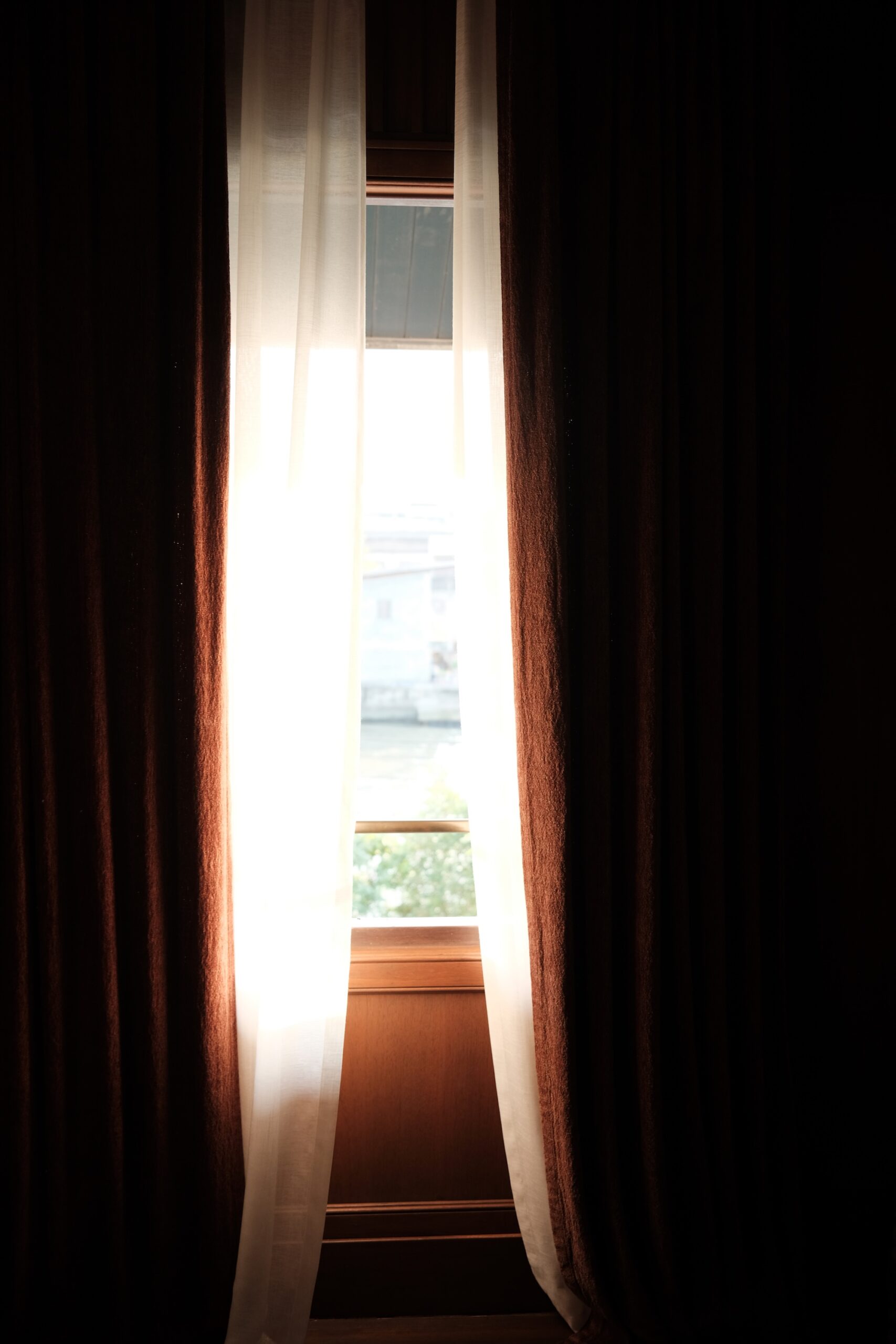
In this sense, Siri Sala creates immediately a home. It is a place less the usual luxury as display and more about luxury as space, memory and continuity. It invites guests not to consume Bangkok, but to understand it. The villa embodies a rare idea in a city obsessed with progress: that preservation can be as radical as innovation.
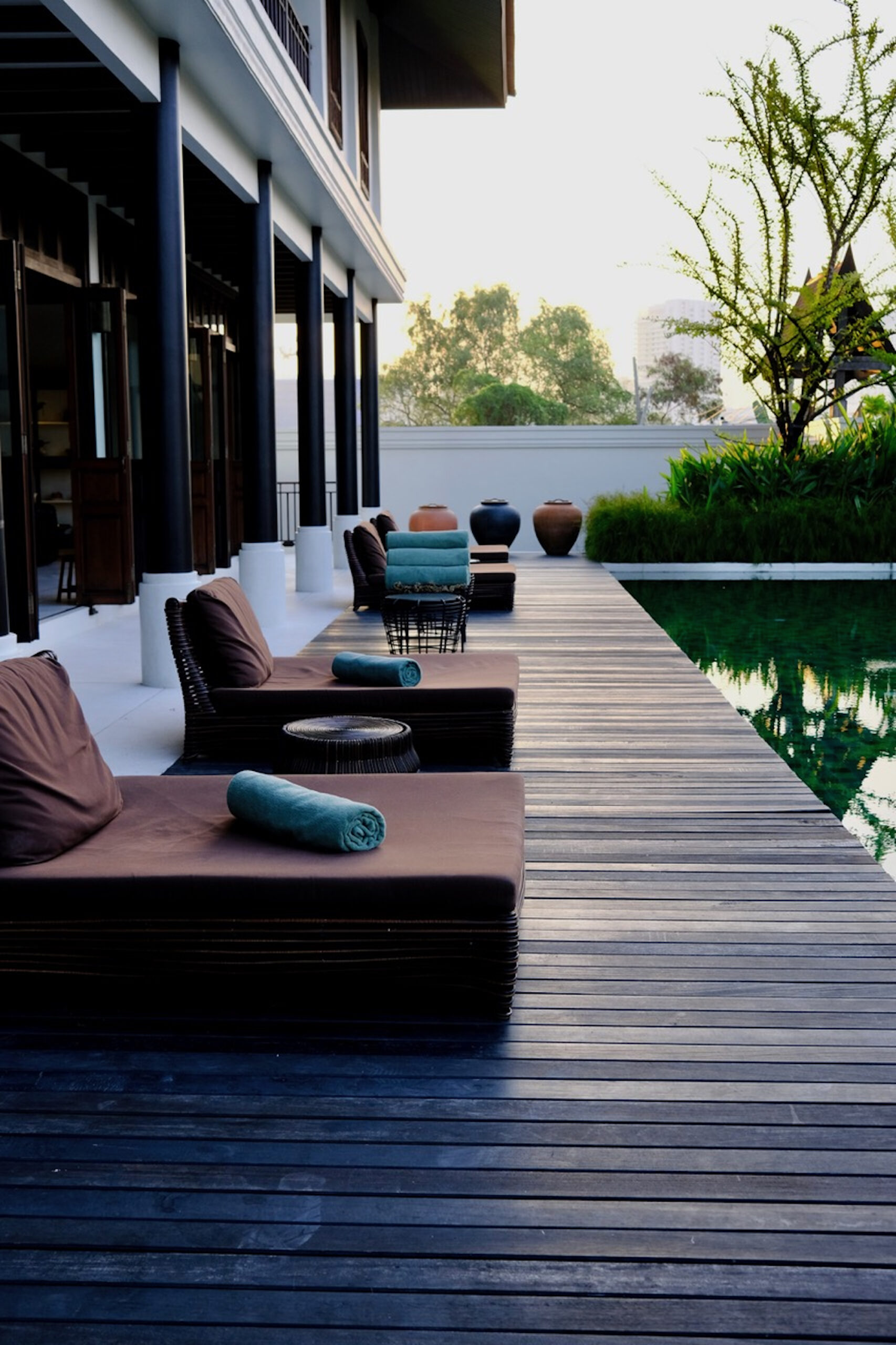
There is something deeply emotional about the place. Siri Sala is rooted in the notion of custodianship rather than ownership—the belief that architecture, craftsmanship and community are inherited responsibilities. This philosophy is felt in every detail, from repurposed wood panels and carefully maintained gardens to the jazz bar built from an old structure and lotus ponds shimmering in the courtyard.
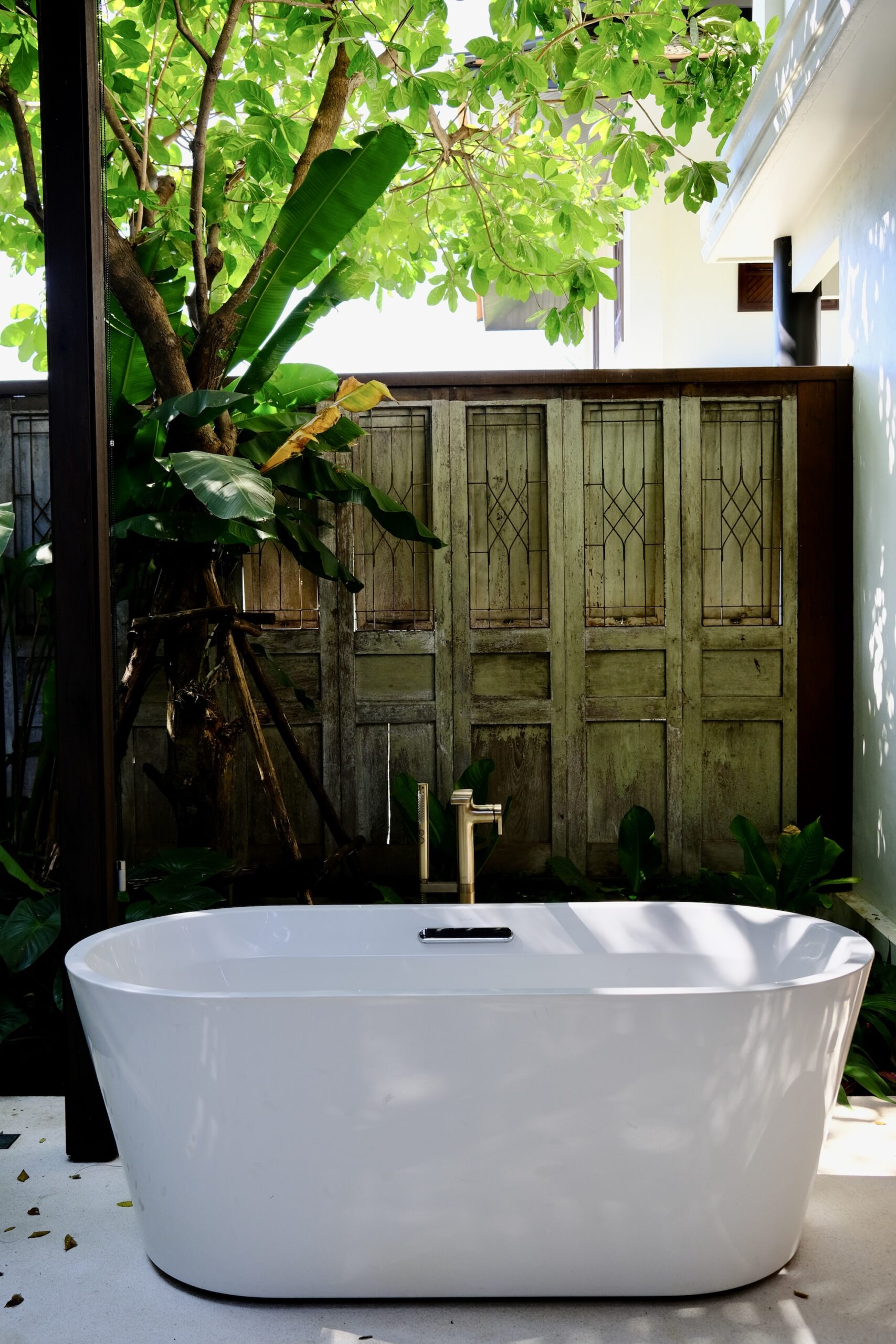
For travellers staying in Bangkok’s downtown hotels, Siri Sala offers an almost cinematic interlude: a journey not only across the river, but across eras. It is a reminder that Bangkok was once a city of water, wood and quiet rituals—and that traces of this world still exist, if one knows where to look.
Beyond its location, Siri Sala was chosen for its authenticity as the setting of a key episode in season three of The White Lotus. With its atmospheric spaces and riverside serenity, it is easy to understand why—a place that invites you to see Bangkok through a different lens.
Many thanks to ROMAN. traveldesign for generously providing us with the flights.