When it comes to exploring Luang Prabang beyond the obvious, few know the town’s rhythm better than siblings Vansana and Vanvisa Nolintha. Born in Luang Prabang, they were sent to the United States as teenagers to continue their education. They later gained recognition for opening acclaimed Lao restaurants abroad before returning home to establish Little Lao, a contemporary homage to their heritage. Their journey from diaspora to homecoming has shaped their view of the city as layered, resilient and quietly creative. We asked them to share their definitive two-day guide to Luang Prabang, offering insights into not just where to go, but also how to experience the city.
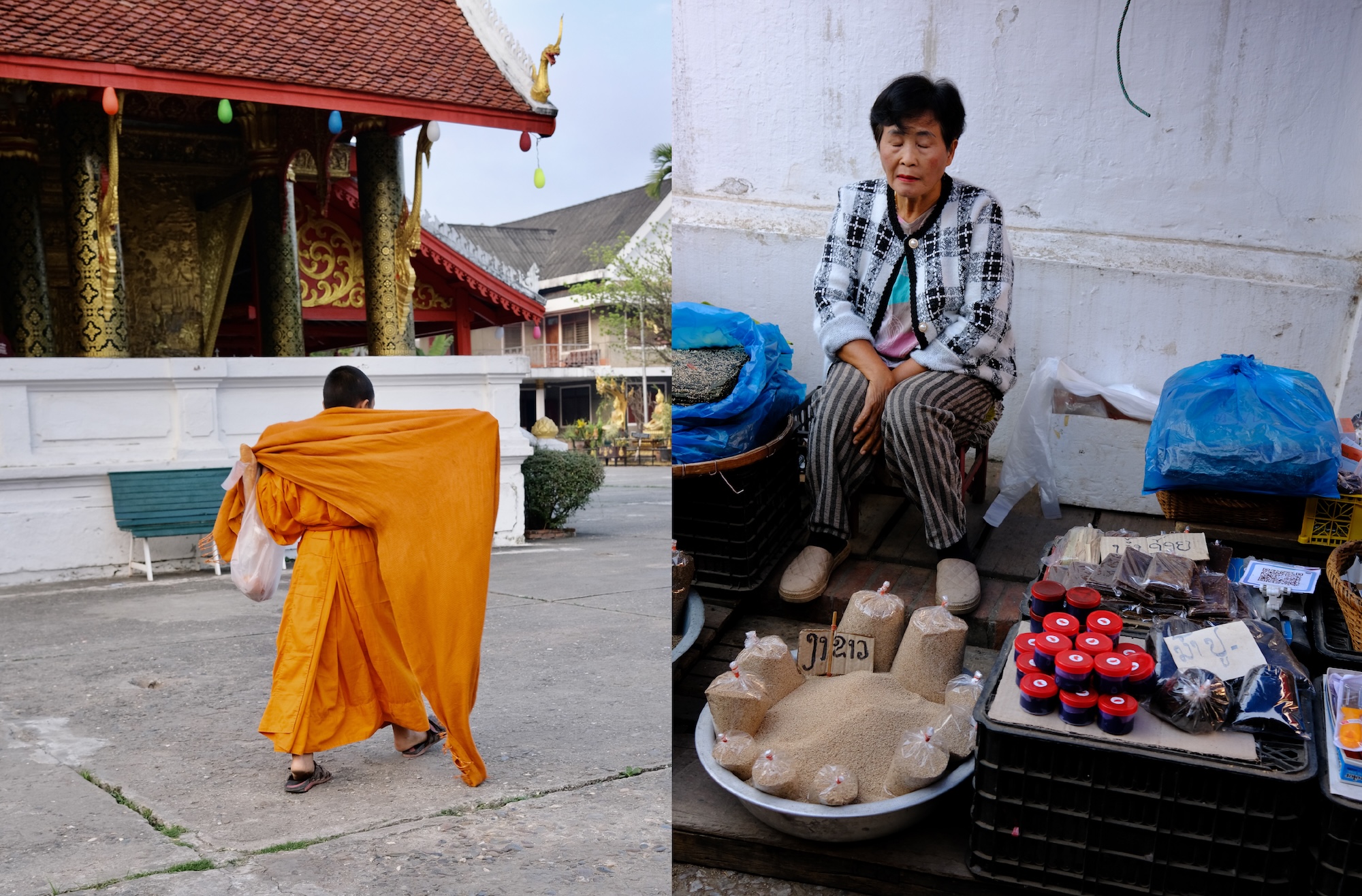
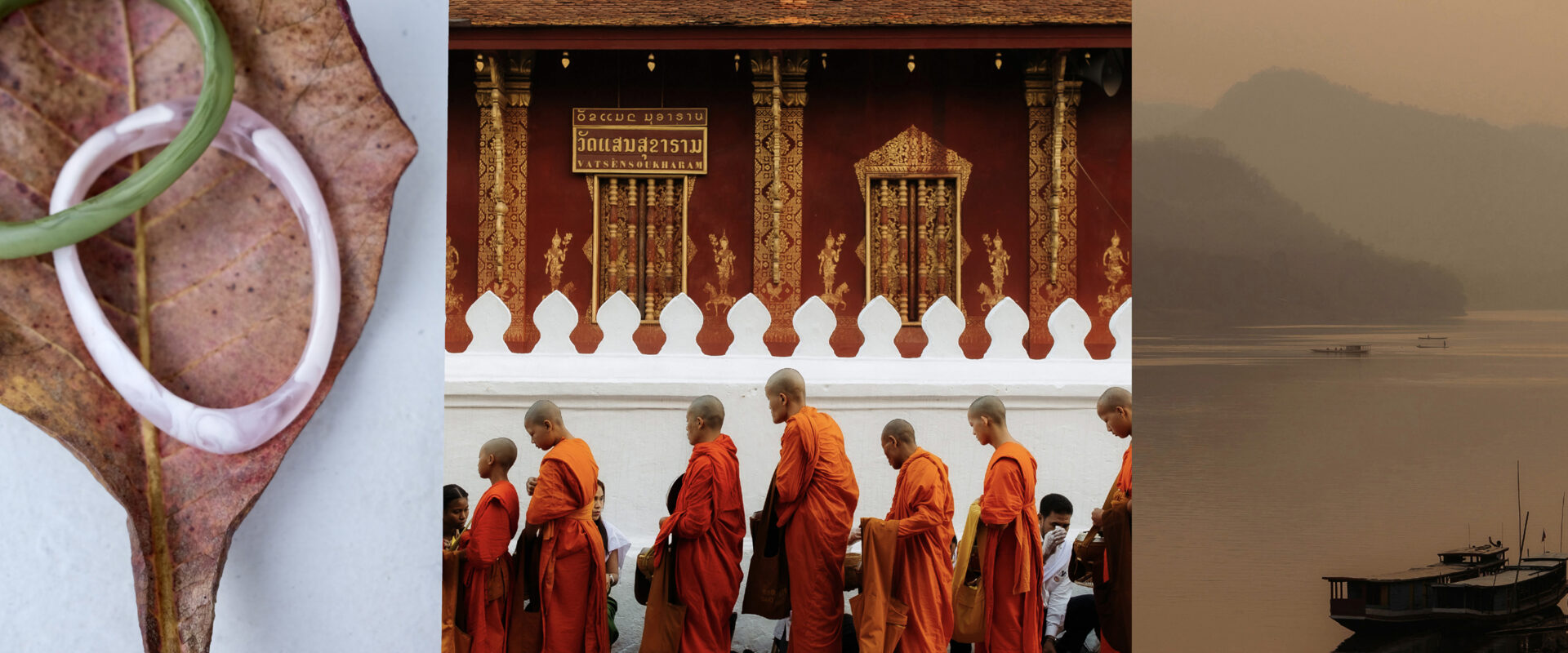
Luang Prabang starts early. At dawn, monks move through the streets for tak bat, the daily almsgiving ritual that remains central to local life. Residents kneel with baskets of sticky rice; visitors observe quietly. It is a ceremony that sets the tone for the day.
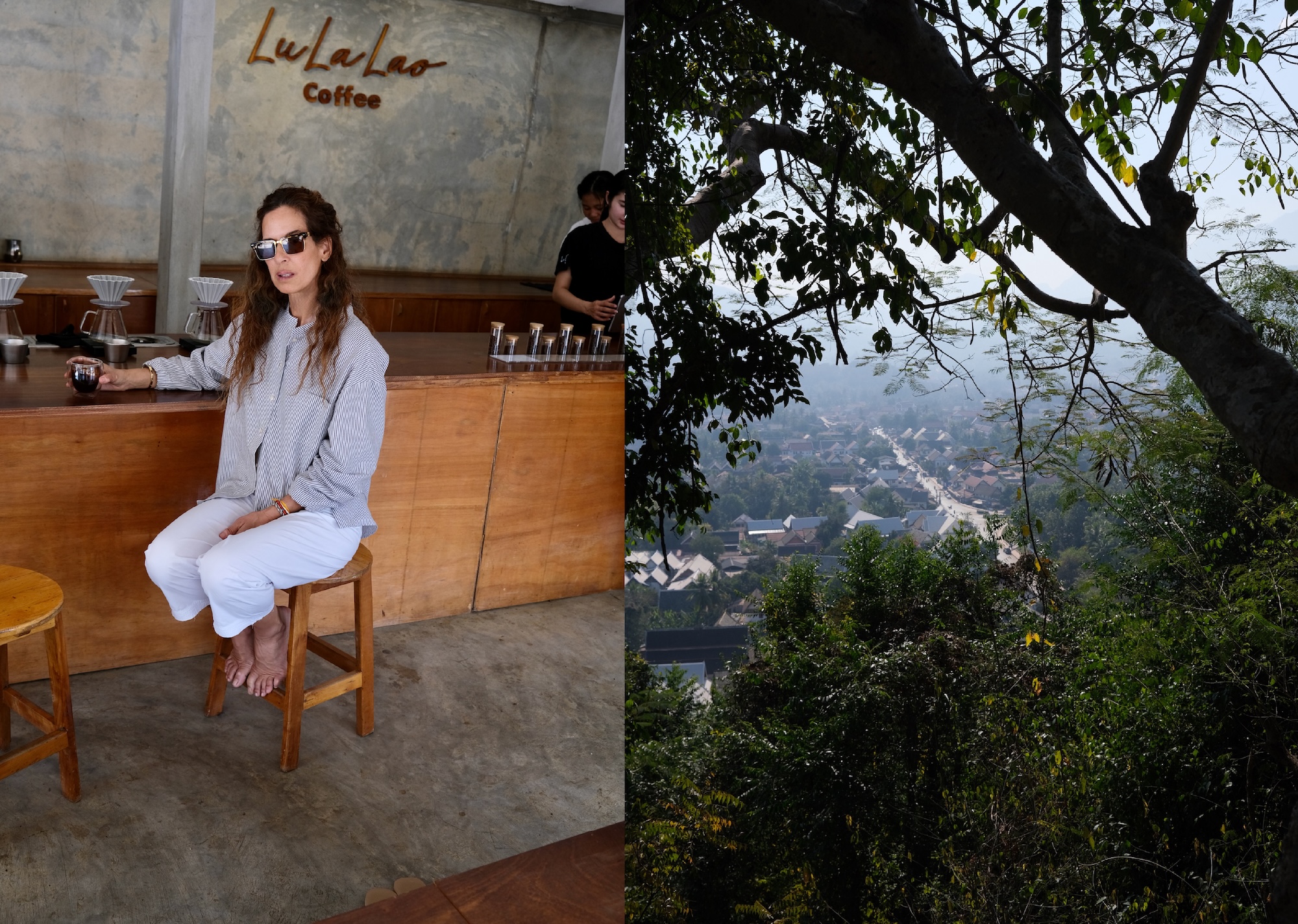
Nearby, the morning market gathers pace. Fish from the Mekong, wild greens and freshly harvested vegetables define the region’s cooking. Breakfast ranges from French pastries at Le Banneton to Lao coffee at Lula Lao or Saffron. For a riverside setting, T56 looks onto the Mekong; noodle shops offer a more local start.
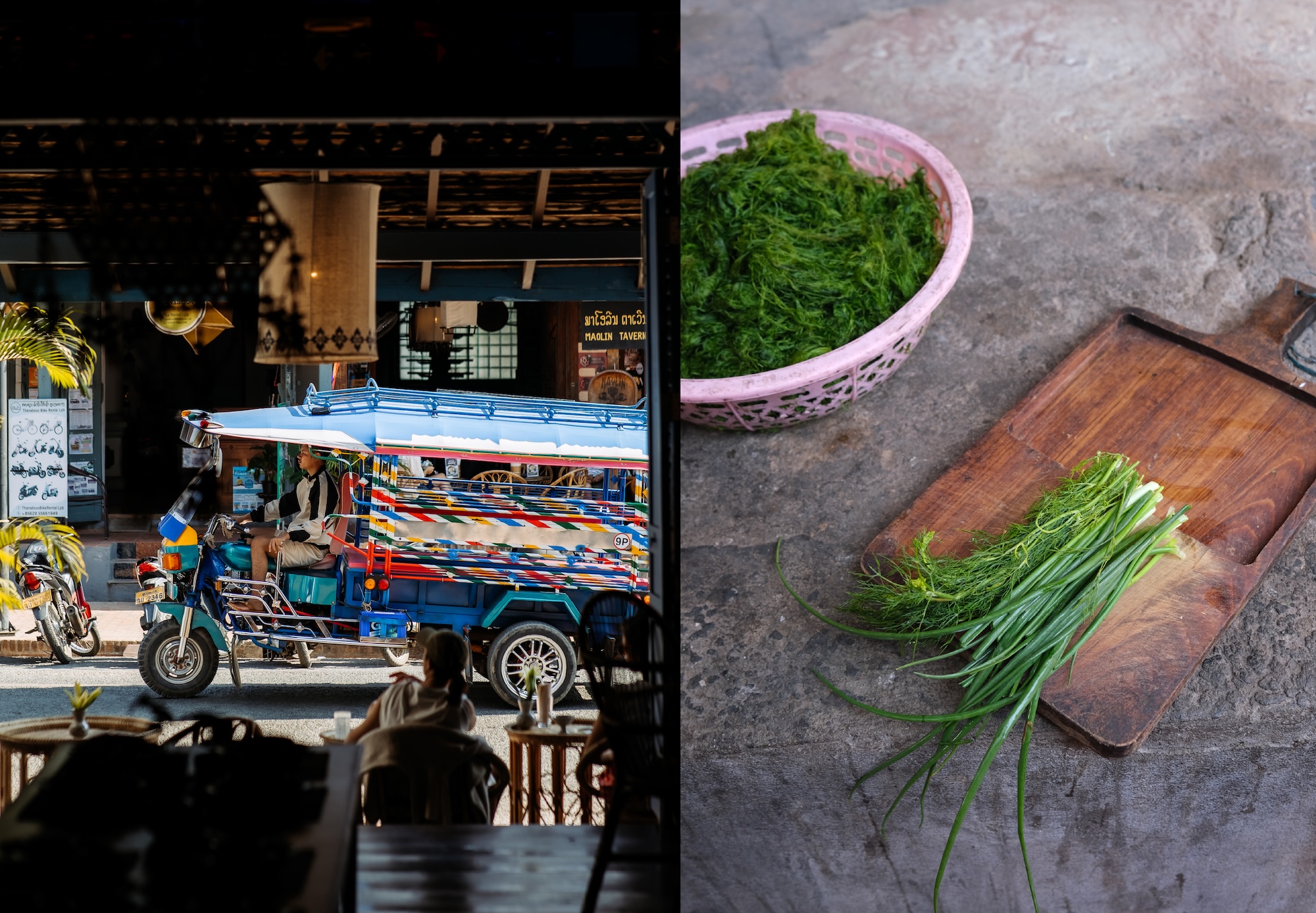
Mount Phousi provides an overview of the town: temple roofs, low hills and the Mekong converging at the horizon. At its base, the former Royal Palace—now the National Museum—houses royal artefacts and religious objects, including the Prabang Buddha in nearby Haw Prabang.
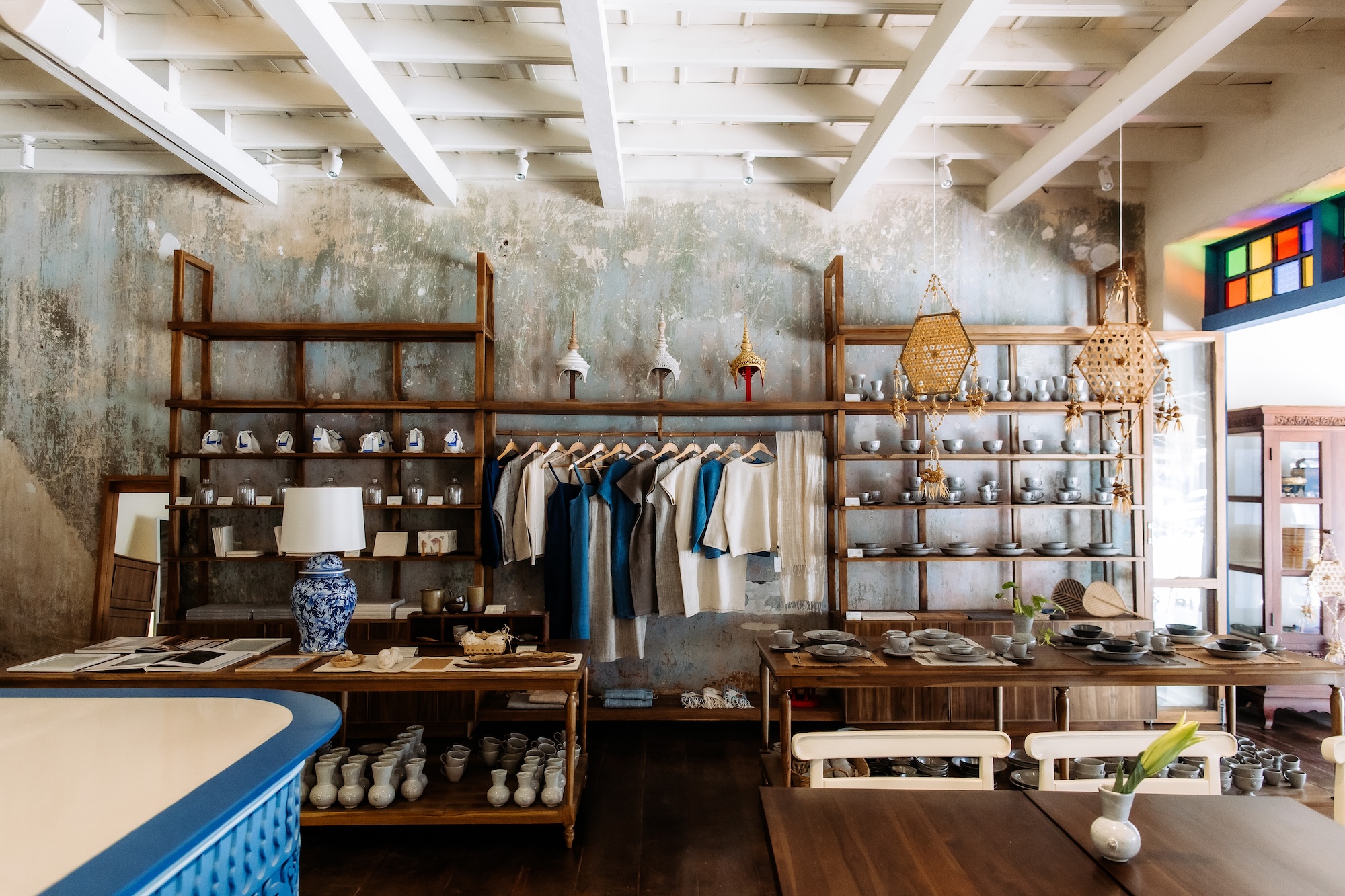
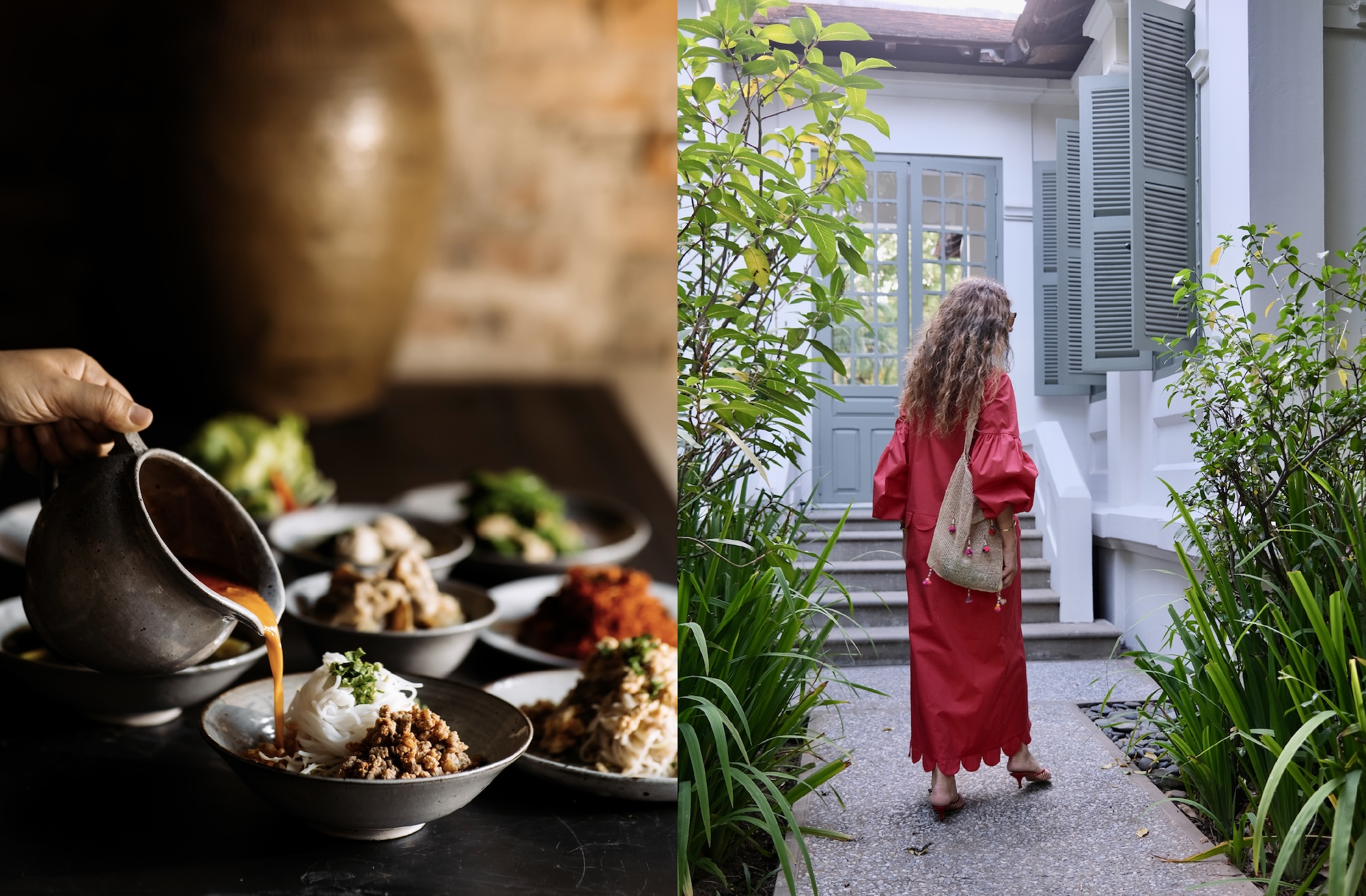
Lunch is unhurried. Little Lao House focuses on southern Lao dishes shaped by regional influences. Ock Pop Tok Living Craft Centre combines weaving workshops with a relaxed riverside café.
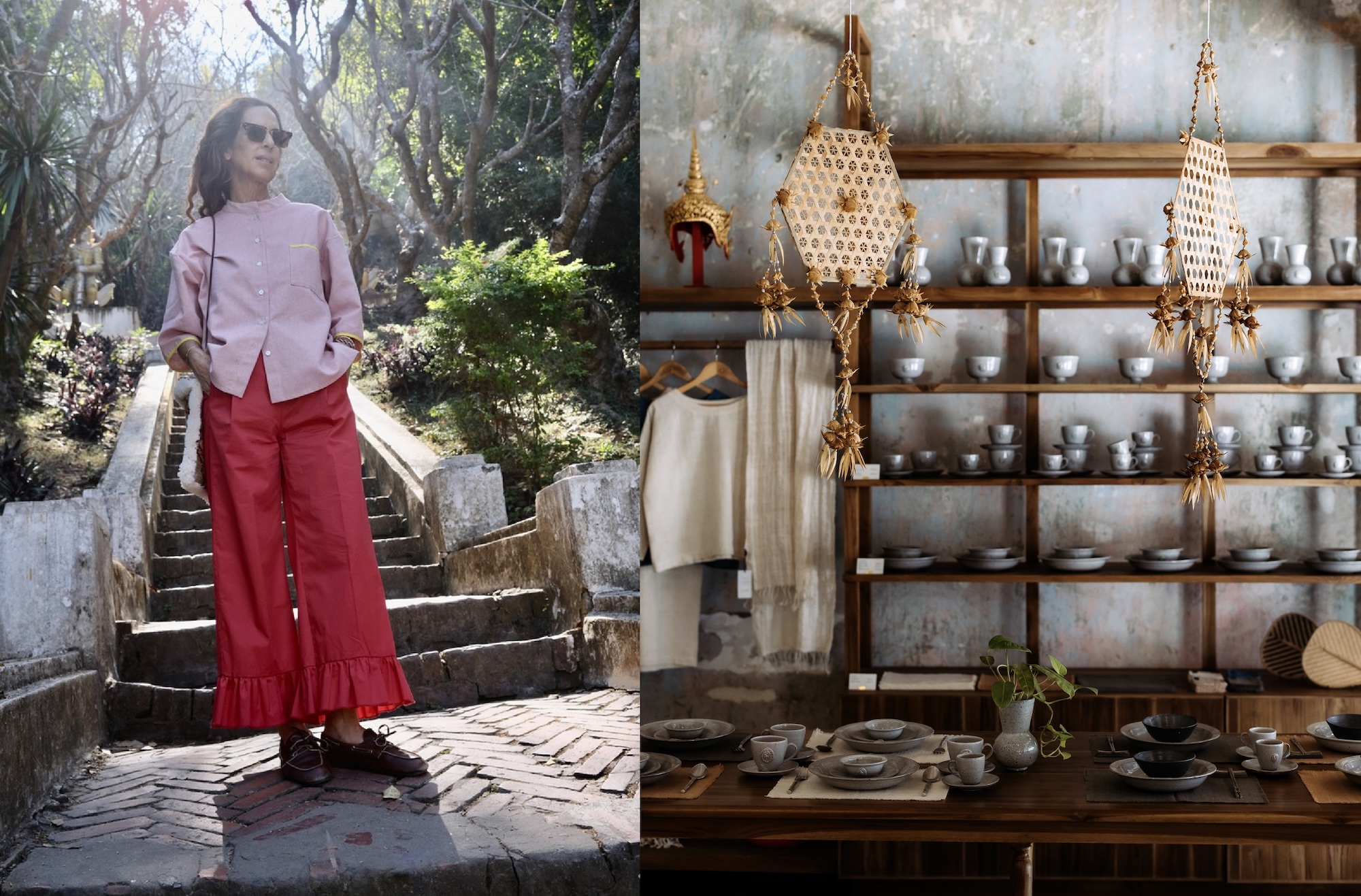
Afternoons are slow. Temple courtyards offer shade; Wat Xieng Thong and Wat Sen are best visited in late light, when gold facades reflect the sun. As evening falls, the Night Market lines the main street. Dinner options include Little Lao Culture Bar & Restaurant or Manda de Lao by the lotus pond. For drinks, Sun Song Social or Artisan Speakeasy provide a more contemporary setting. The town winds down early, in keeping with its UNESCO status.
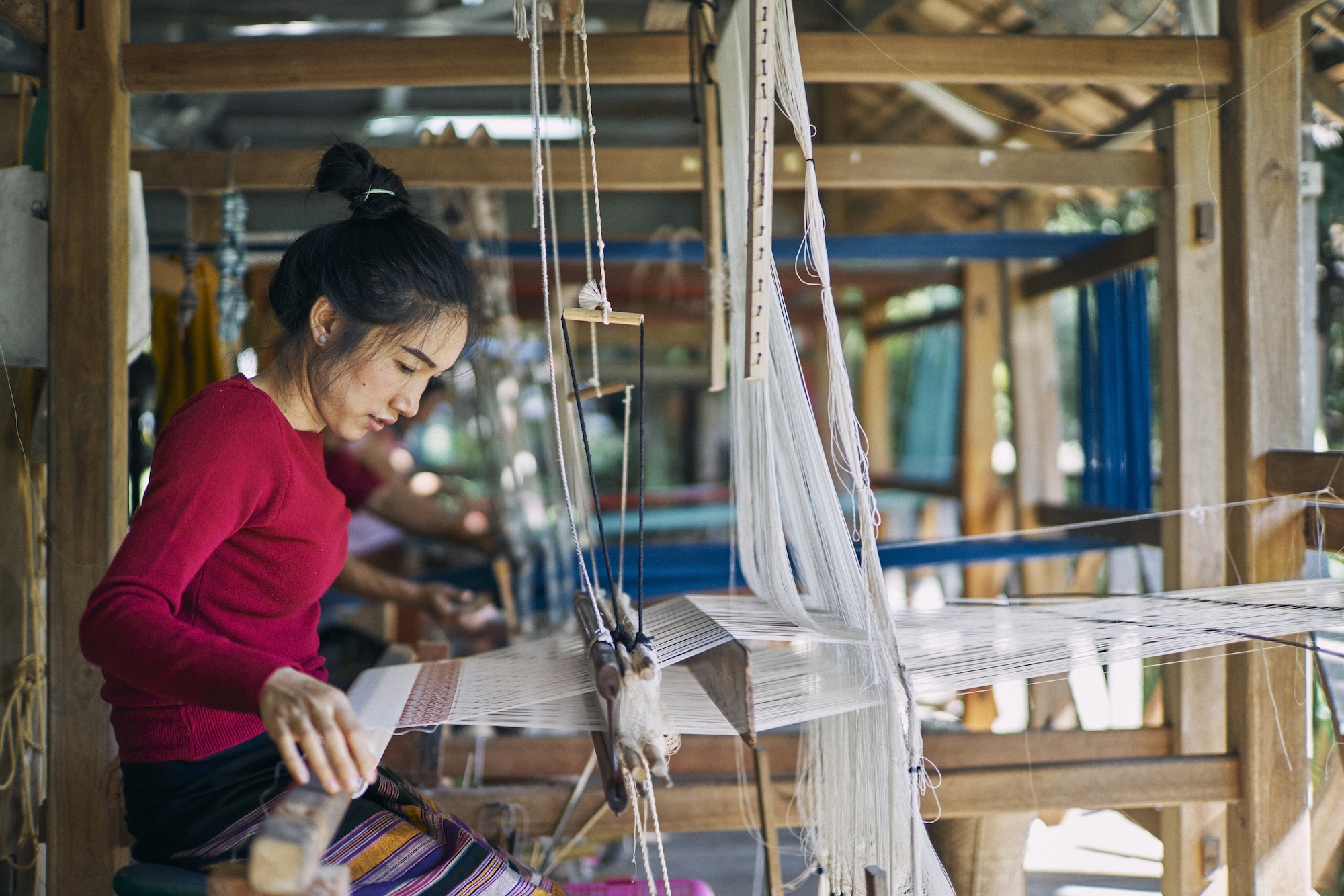
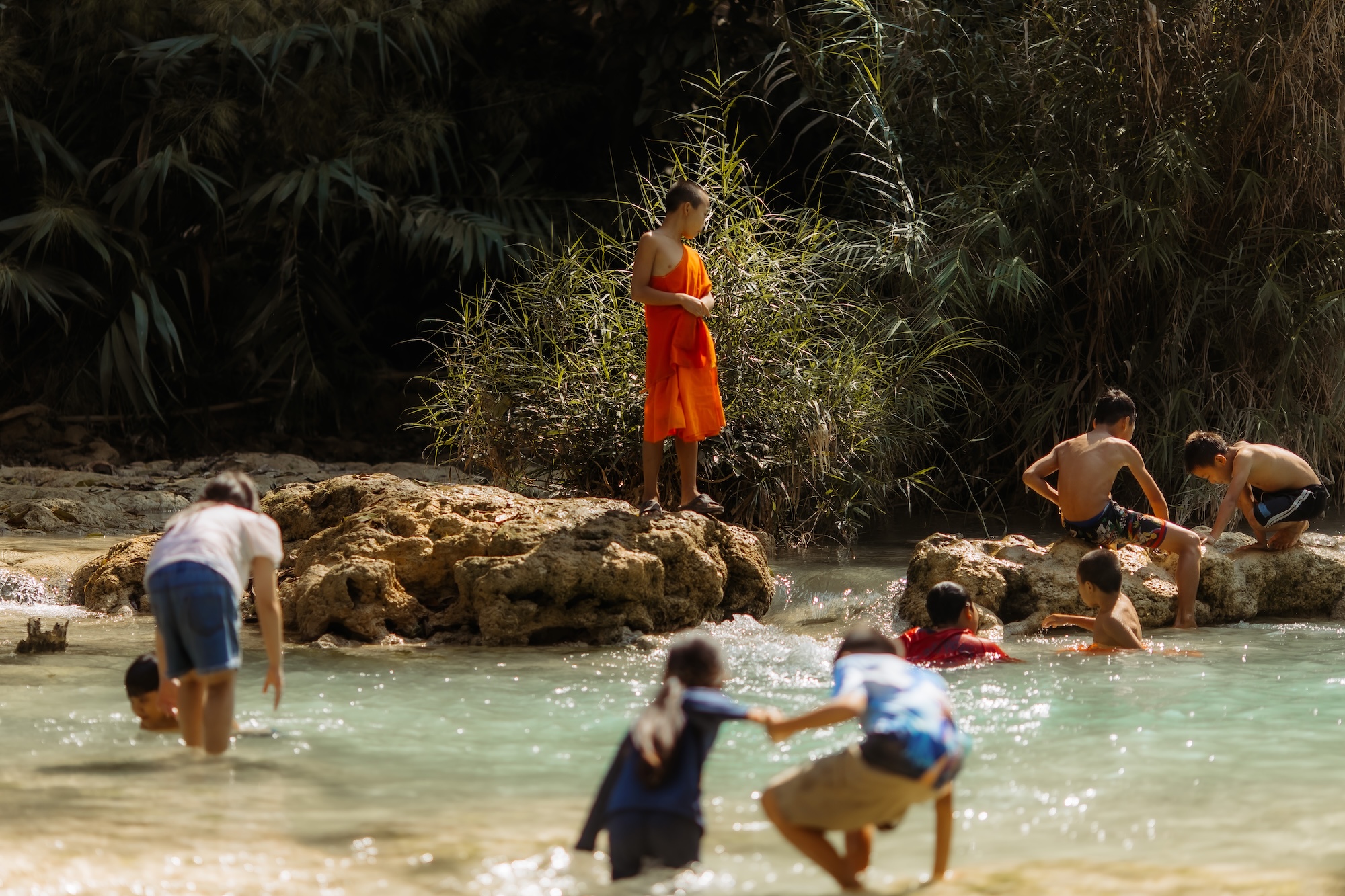
Day two shifts outward. Kuang Si Waterfalls lie about 45 minutes away; ethical elephant sanctuaries and artisan villages across the Nam Khan River offer alternatives. Silk weaving, saa paper making and wood carving remain active trades.
Lunch can be taken at Luang Prabang Tea House or at Mr Lair Omelette Shop, known for a Lao interpretation of the Vietnamese bánh xèo.
In the evening, a Mekong sunset cruise offers a different perspective. Boats such as Continental Cruise or River Sun move slowly along the river as villages and temples pass in silhouette. Dinner onboard is easily arranged.
Luang Prabang rewards a measured pace. Its appeal lies less in landmarks than in continuity—ritual, craft and river life continuing largely as they have for generations.