
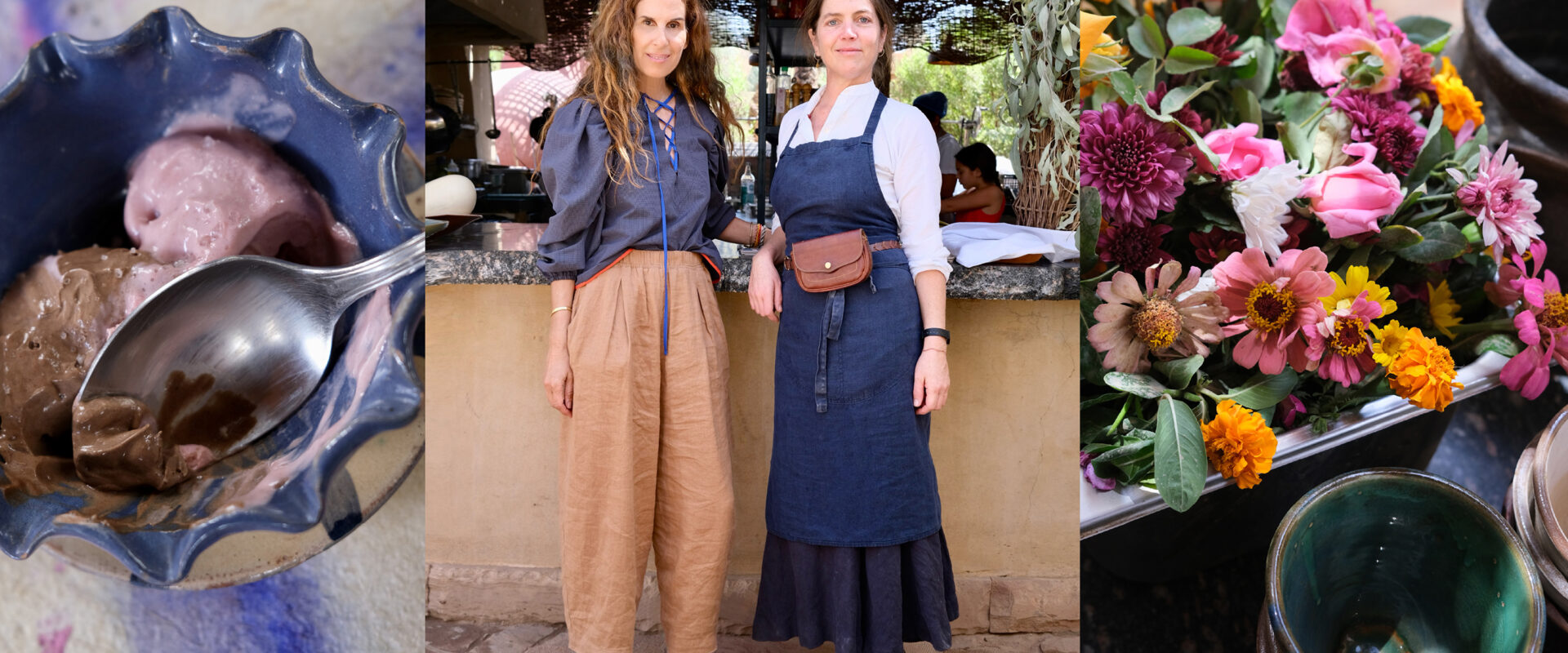
Not every escape requires a plane ticket. Some of the most transportive moments happen in your own kitchen, with the right ingredients, the right recipe, and the particular kind of unhurried attention that a long weekend finally allows. This is exactly the philosophy of Gioconda Scott, a chef whose life moves between two of the world’s most luminous places, and who cooks with the ease of someone who has learned, deeply, what summer actually tastes like.
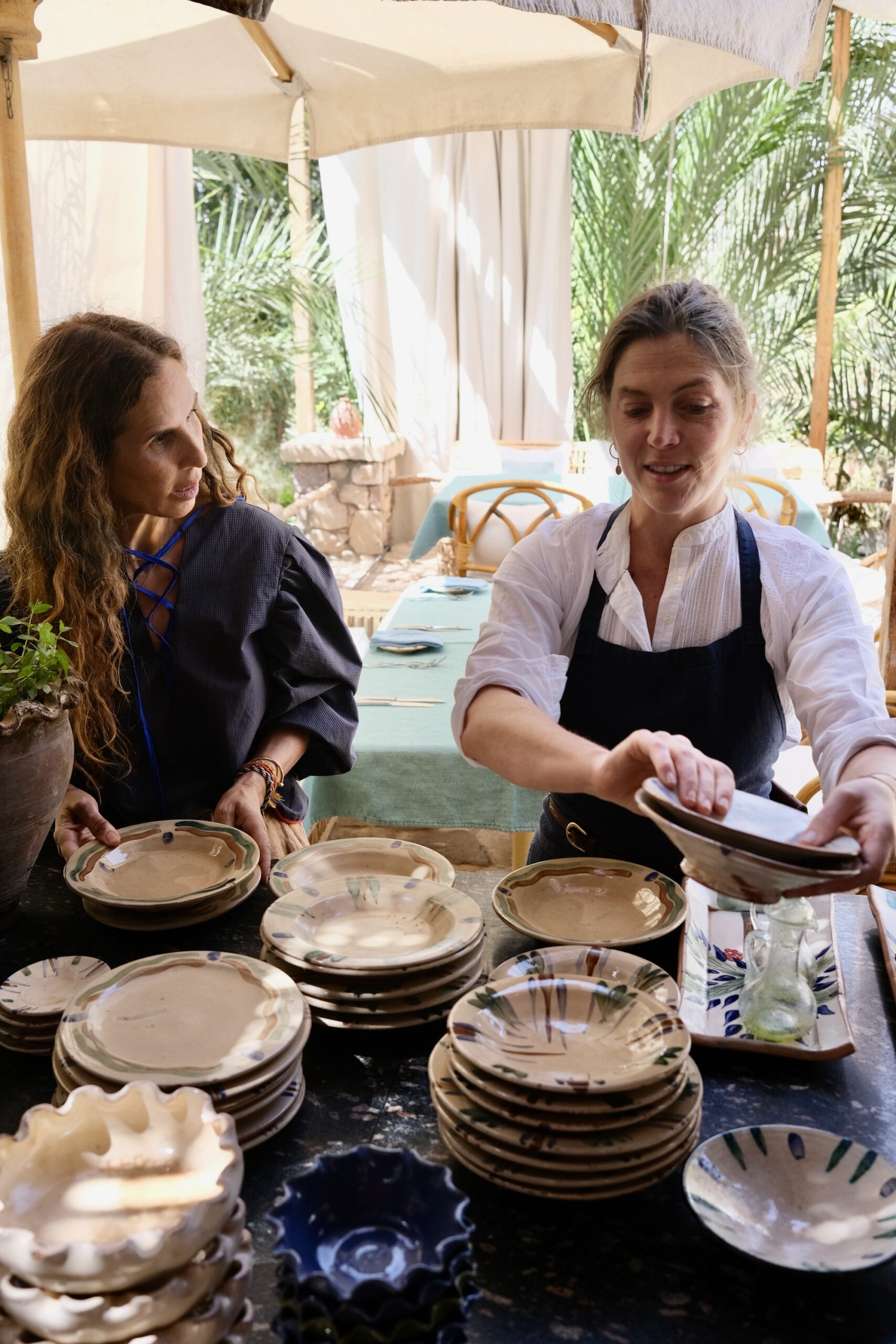
We met Gioconda at Al Moudira, the legendary hotel on the west bank of the Nile in Luxor, where she runs the Moudira Farm Kitchen. The hotel has its own farm, supplying its restaurants with organic produce: eggs, butter, milk, yoghurt, wheat, poultry and other meats, with an ambition to become 80 per cent self-sufficient. It is from this living larder that Gioconda draws her daily menu, cooking what the land offers rather than what a supplier delivers. The result is food that tastes of a specific place and a specific morning.
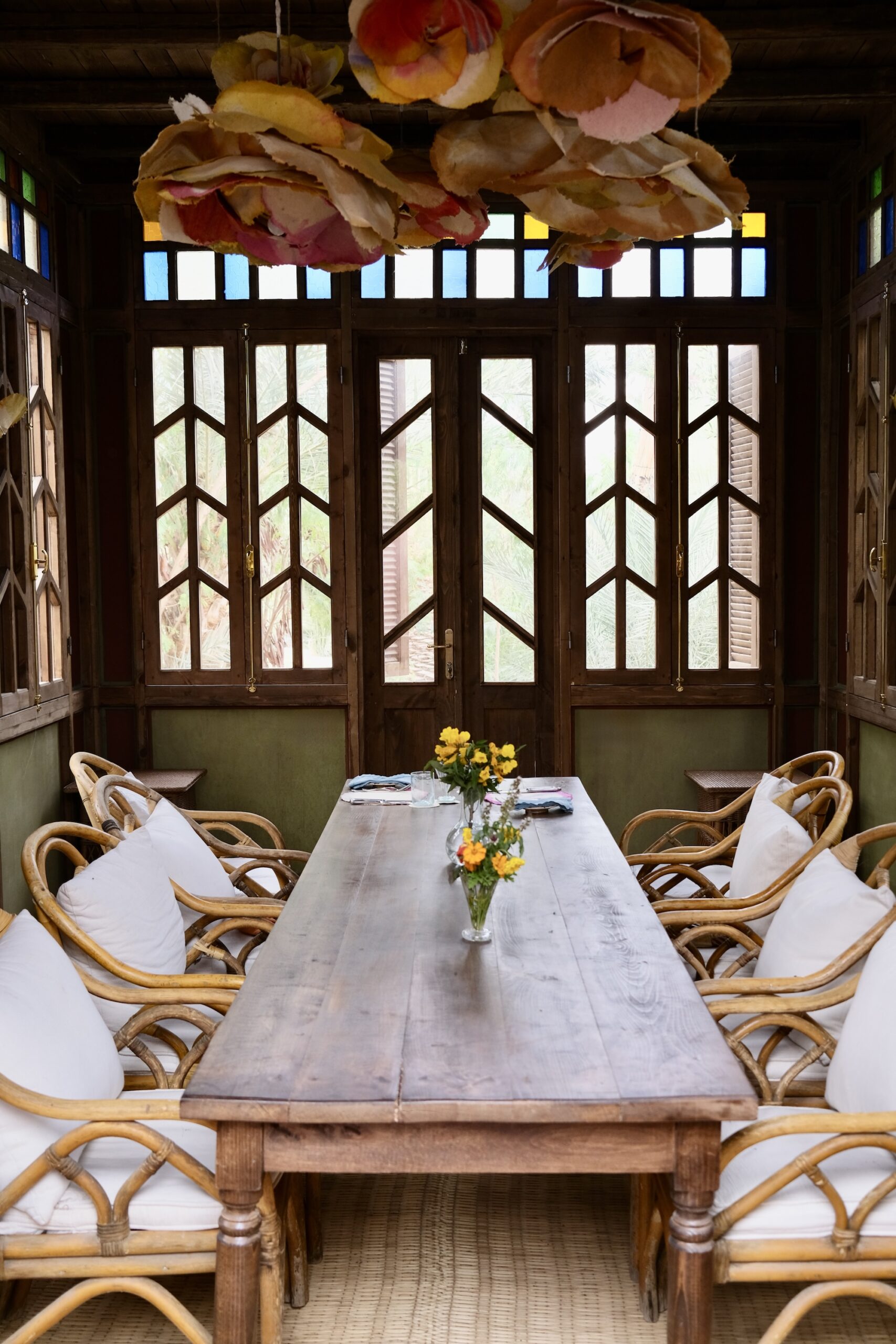
Scott grew up in Andalusia and has done residencies with Francis Mallmann in Uruguay and at Kamal Mouzawak’s Tawlet in Beirut, mastering a repertory of clean, fresh, Mediterranean-meets-Middle East flavours. Those three coordinates, Andalusia, the Argentine pampas and the Lebanese table, trace the culinary map she carries inside her. The Moudira Farm Kitchen features an Argentine-inspired wood-fired oven, built in homage to Mallmann, her mentor. But Gioconda’s cooking is never merely reverential. She has taken the fire, the restraint and the respect for raw ingredients that define both the Andalusian and the Levantine kitchen and translated them into something entirely her own, something that makes complete sense on the banks of the Nile and equally at a table in the hills above Seville.
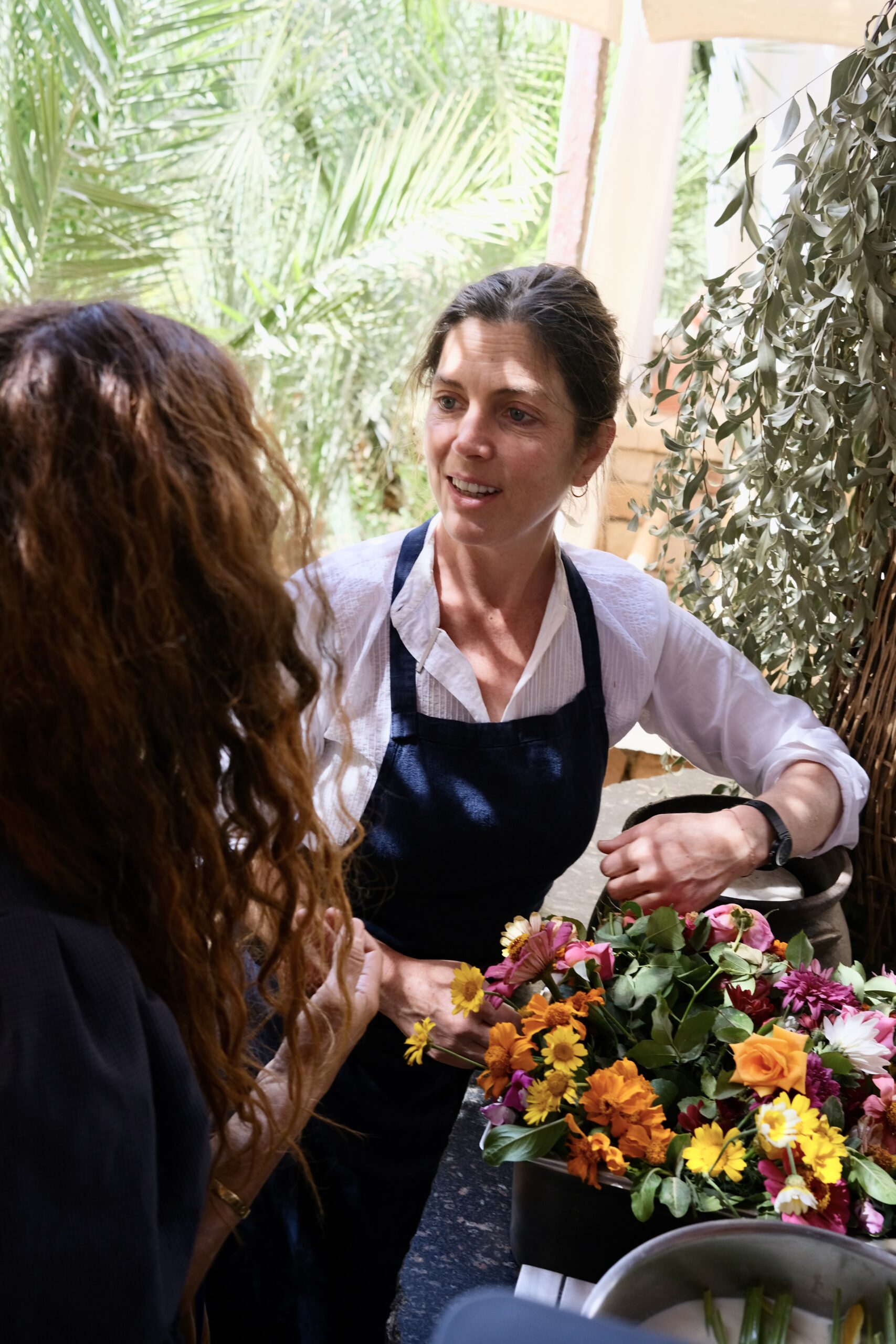
Her menus change according to what is at market. In Luxor, that means the farm’s own tomatoes and herbs, eggs collected the same morning, wheat milled on site. In the hot summer months, she follows the sun westward and returns to Andalusia, where she opens her home table to those who want to eat well and, if they choose, learn how it is done. Cooking classes, long lunches and a mingle of creative minds.
When we asked her what she would cook for a long weekend at home, the answer came without hesitation. Simple things. Honest things. Dishes that travel well across cultures because they are rooted in the same instinct: good produce, good olive oil, time, and the willingness to slow down.
Here, in her own words, are the recipes she chose:
Shaved Artichoke Salad
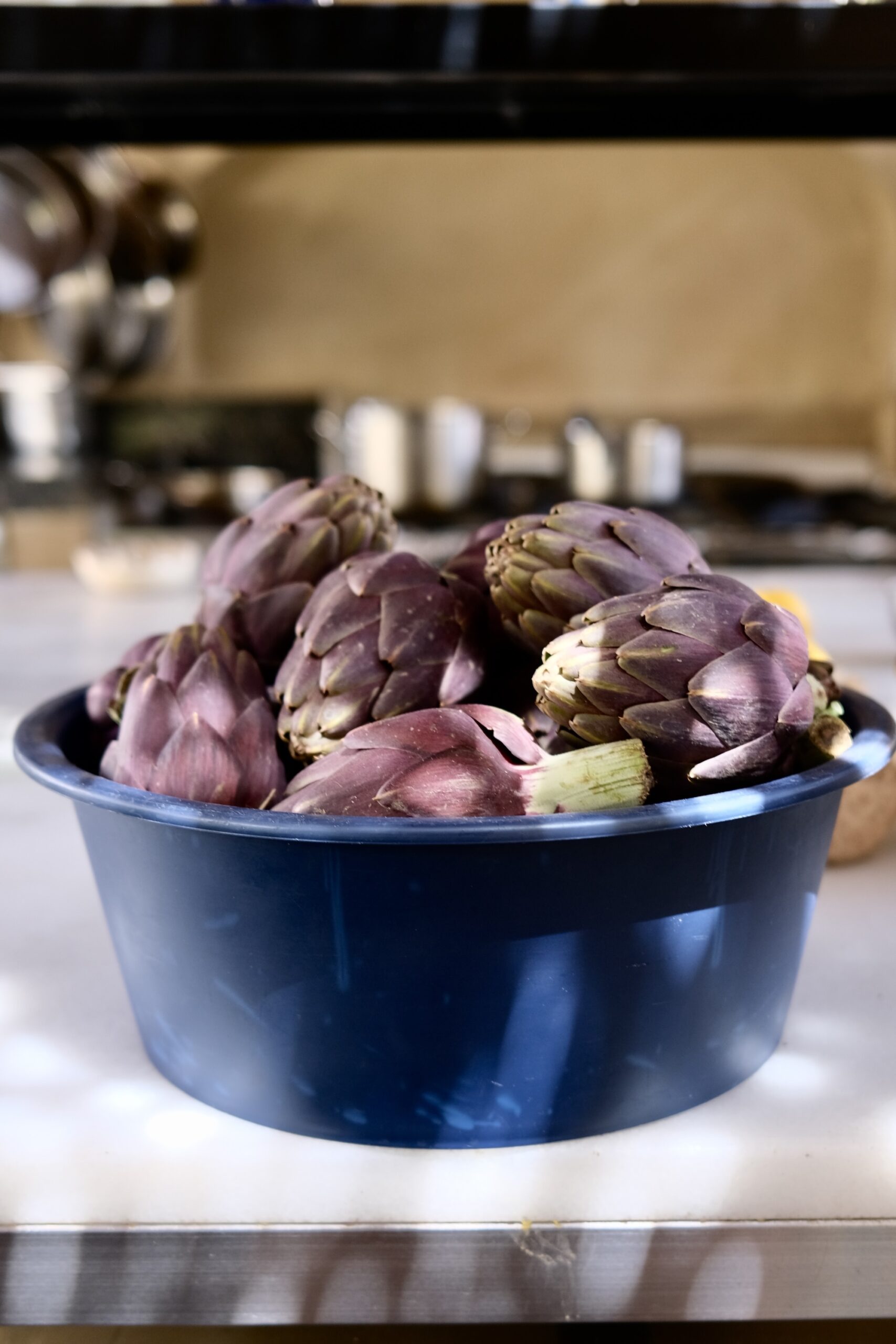 Serves 4–6 · Vegetarian · No cook
Ingredients
- 2 per person — globe artichokes
- mixed fresh herbs — dill, mint and coriander leaves (a good pinch per person)
- lemon (organic or unwaxed)
- extra virgin olive oil
- sea salt flakes and black pepper
- parmesan, for grating
Method
- Prepare the artichokes. Wash the artichokes and pull off all the tough outer leaves. Do not cut the stalk. Using a potato peeler, peel the bottom of the heart and the stalk until the pale, tender part is reached. Cut the tough top off to expose the more tender part of the artichoke. Rub immediately with a little lemon to prevent discolouration.
- Remove the choke. Cut in half and, using the tip of a small paring knife or a teaspoon, remove the hairy choke inside without damaging the heart.
- Slice lengthways as finely as possible.
- Dress and serve. Mix with the fresh herbs. Season with salt and pepper, add lemon juice and olive oil to taste. Finally, grate over the parmesan and eat immediately.
Radish + Citrus Salad
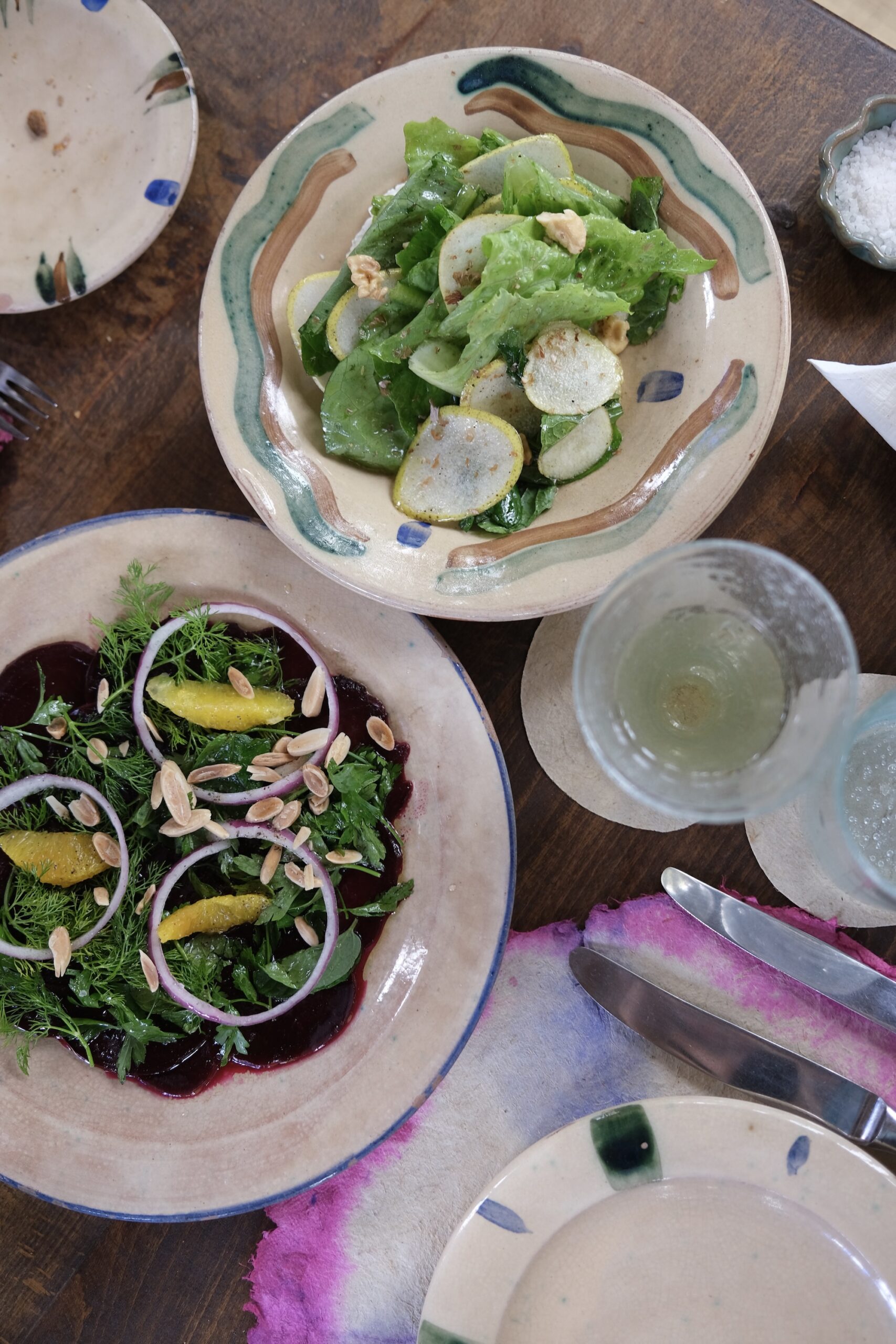 Serves 4–6 · Vegetarian · No cook
Ingredients
- 2 — white radish (daikon)
- 1–2 — whole orange, peeled and segmented — reserve the juice squeezed from the remaining heart
- 1 — lemon, juiced
- 1 — green spring onion
- toasted almonds
- handful of fresh mint leaves
- handful of fresh coriander leaves
- extra virgin olive oil
- runny honey
- 1 garlic clove, grated (optional)
- sea salt and black pepper
Method
- Prepare the daikon. Peel the daikon, slice lengthways in half, then carefully cut into 1/2 cm slices and then into sticks of the same thickness. Set aside in a bowl of cold iced water to keep them crisp.
- Prep the garnishes. Slice the almonds lengthwise into slivers. Slice the spring onion into diagonal slivers and keep in the iced water until ready to assemble.
- Make the dressing. Combine the reserved orange juice with the lemon juice (about 1/2 to 1 whole lemon). Add the grated garlic if using, a teaspoon of honey, salt and pepper. Whisk in olive oil to taste — roughly double the amount of the lemon juice.
- Assemble and serve. Drain the radish and spring onion, pat or spin dry. Place in a large bowl with the almonds, orange segments, and herbs. Dress, toss, and eat immediately.
Wood Grilled Pigeon
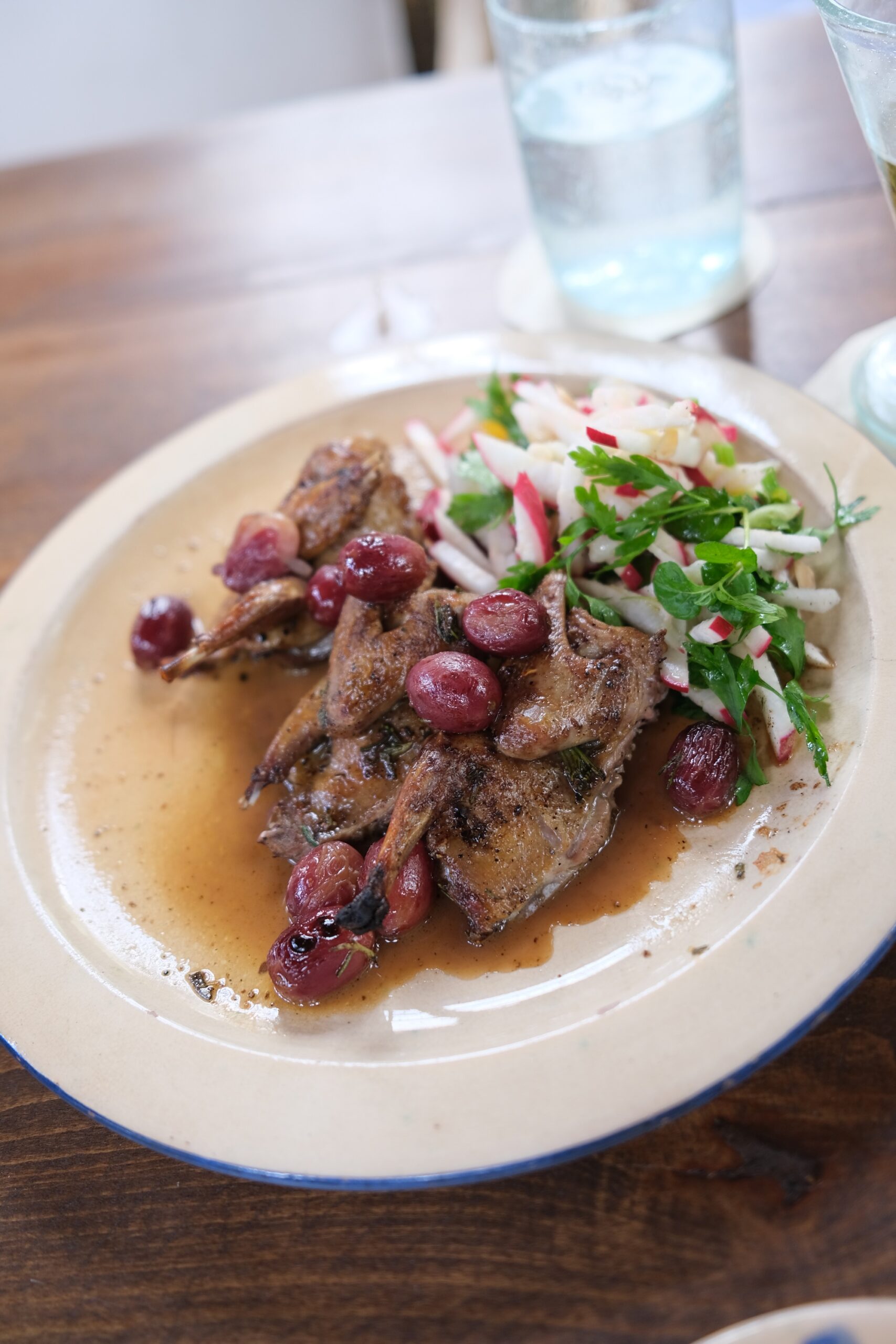 Serves 4 · Grill or cast iron skillet
Ingredients
- 2 or 4 — pigeons, spatchcocked (ask your butcher to do this, and to reserve the bones for stock)
- handful of fresh sage and thyme, finely chopped
- sea salt and black pepper
- extra virgin olive oil
- 1 cup — grapes
- pigeon or vegetable stock
Method
- Mix the chopped sage and thyme with salt and pepper and rub all over the pigeons. Leave to marinate for at least a few hours before cooking.
- Light a wood grill or heat a cast iron skillet. Turn the oven to 250°C and place a small roasting tin inside to get hot.
- Grill the pigeon. Rub the pigeons with a little olive oil and place inside-down on the hot grill or skillet. If using a skillet, use a weight to keep the meat pressed to the pan. Cook approximately 8 minutes per side, depending on size — the meat should be slightly pink. Do not burn.
- Rest and carve. Set the pigeon aside on a board to rest for 5 minutes. Then cut lengthways and remove the ribcage and backbone. Season with a little extra salt if needed.
- Roast the grapes. Using a dry cloth, remove the hot roasting tin from the oven. Add the grapes, dress with a little olive oil, salt and pepper. Return to the oven for a few minutes until the grapes burst.
- Pour the burst grapes over the pigeon. Serve with the Radish + Citrus Salad and a wedge of lemon.
Rice Pudding (Arroz con Leche)
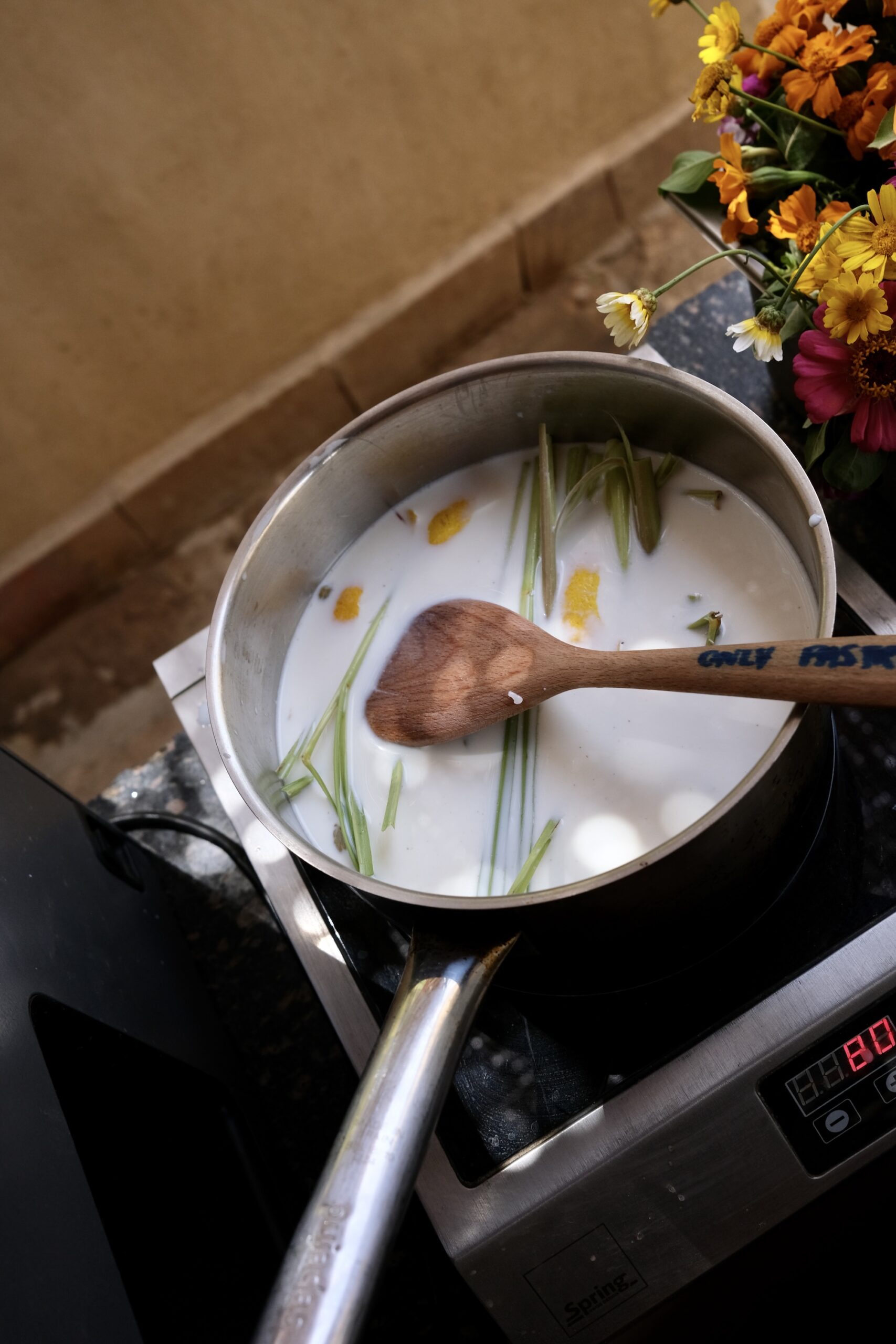 Serves 4–6 · Approximately 3 hours
Ingredients
- 1300ml — full-cream milk (or 1000ml milk + 300ml cream)
- 100g — white short-grain / round rice — not parboiled
- 100ml — water
- 100g — sugar (demerara recommended)
- 50g — unsalted butter
- 1 pinch of salt
- cinnamon stick
- lemon peel and orange peel
- a capful of anis, brandy, or orange flower water
- white sugar, for the requemado crust
Note: Use a wide, heavy-based pot (such as a Dutch oven) — this is essential to prevent the heat concentrating in one spot and burning the pudding. If you only have a thin-based pan, place a frying pan over the flame and set your cooking pot on top. For a lemongrass variation, replace the cinnamon with 6 lemongrass stalks beaten with something heavy to release the flavour.
Method
- Infuse the milk. Add the salt, peel, and cinnamon (or your preferred spices) to the milk and bring to just under the boil. Remove from the heat and set aside to infuse.
- Cook the rice. Put the rice and water in the pot over a medium heat and cook until all the water has evaporated.
- Pour the infused milk over the cooked rice and stir together.
- Slow cook. Cook very, very gently, stirring every 10–15 minutes, until the rice has completely swollen and absorbed the milk. This will take approximately 2.5 hours. You should have a thick, slightly fluid cream consistency — not gloopy. If a skin forms on top, simply stir it in.
- Add the sugar and butter (and liqueur or flower water if using) and stir until dissolved. Remove from heat, pour into your serving dish, and leave to cool.
- Requemado — caramelise the surface. Sprinkle white sugar over the surface and sear with a kitchen blowtorch or cast iron burner until completely dissolved and a deep toasted caramel colour. Once cooled, it forms a shiny, hard crust. If you do not have the tools, you can skip this step — the pudding is sublime on its own.
Roasted Spiced Almonds
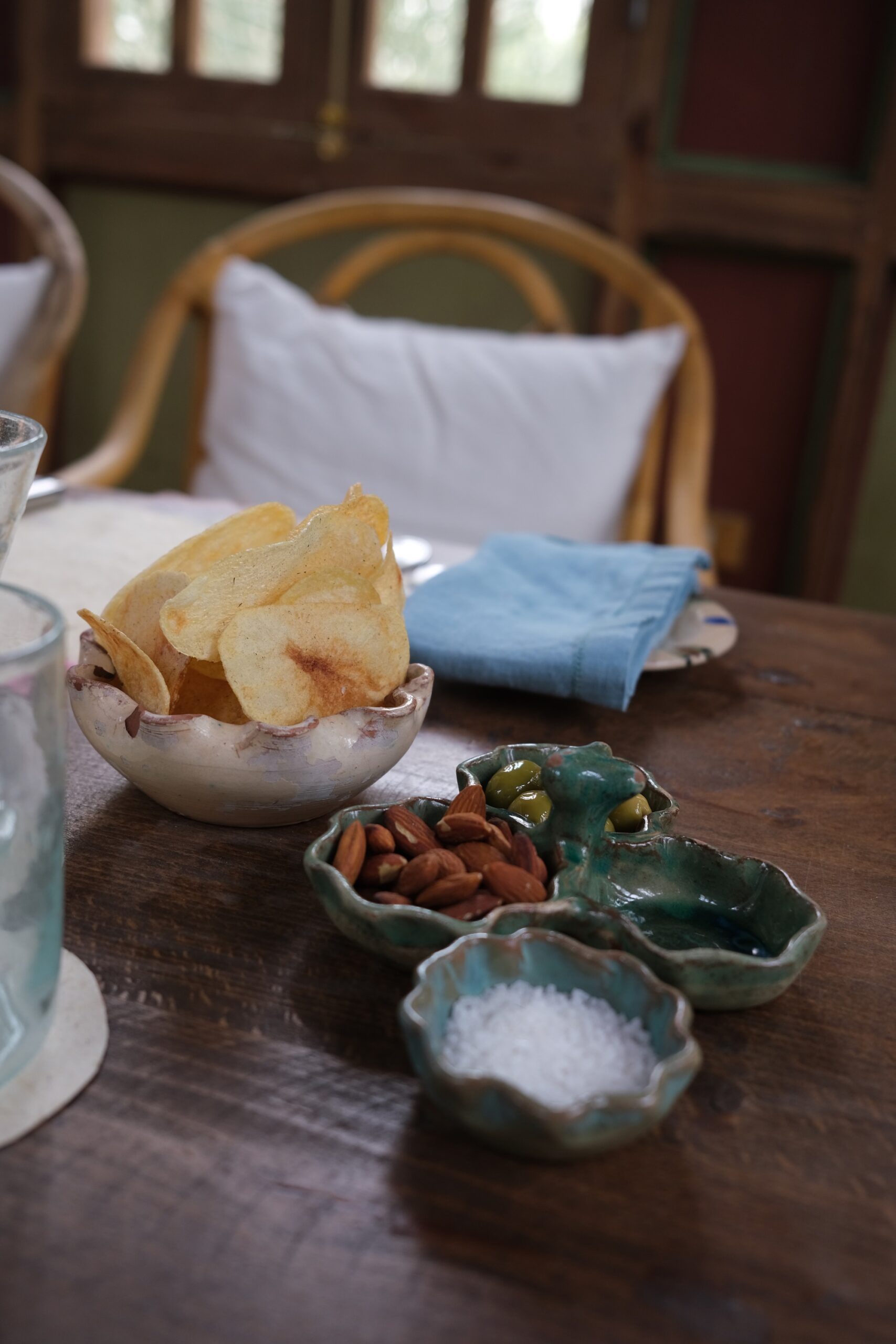 Makes 500g · Oven · 30–45 minutes
Ingredients
- 500g — almonds with skin on
- 3–4 — garlic cloves
- 2–3 — rosemary sprigs
- sea salt
- 1 tsp (flat) — ground coriander seed
- 1/2 tsp — smoked or sweet paprika
- olive oil
Method
- Set the oven to 100–120°C.
- Season and roast. Place the almonds on a roasting tray. Add the crushed garlic cloves and rosemary snapped into smaller sprigs. Drizzle with a little olive oil and rub all the ingredients together. Roast for approximately 20–30 minutes until golden.
- Add the spices. Remove the tray from the oven using a dry cloth. Add the spices and sea salt to taste, mix together well. Return to the oven for a further 10–15 minutes so all the flavours combine.
- Cool and store. Remove from the oven and leave to cool completely. Store in an airtight container.
A Simple Salad Dressing
The key is good quality ingredients — good vinegar and oil are essential.
Make a base of 1 part lemon juice or vinegar to 2 parts extra virgin olive oil. Add salt and pepper to taste. Optionally, add a little honey, grated garlic, or a little dijon mustard. There are no strict rules — it is up to your taste.