Make the most of Forte dei Marmi in spring or autumn with a base at the Pensione America.
August in Forte dei Marmi is still the epitome of the Italian dream. However, it is also loud, fully booked and considerably more expensive than necessary. Among those who know the Versilia well, the conversation has quietly shifted: the shoulder season is no longer seen as a consolation prize. It is now the preference. And it comes twice a year.
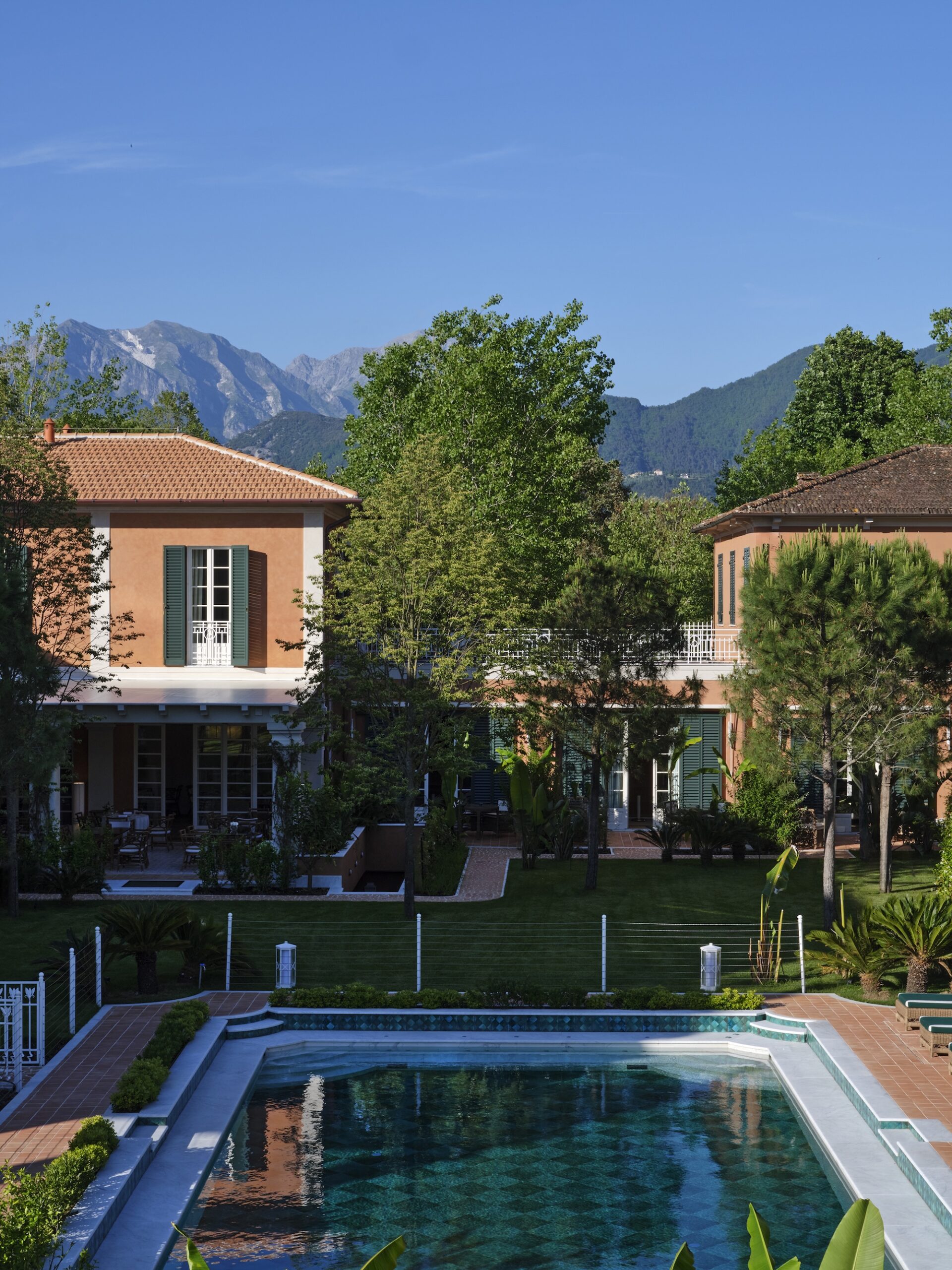
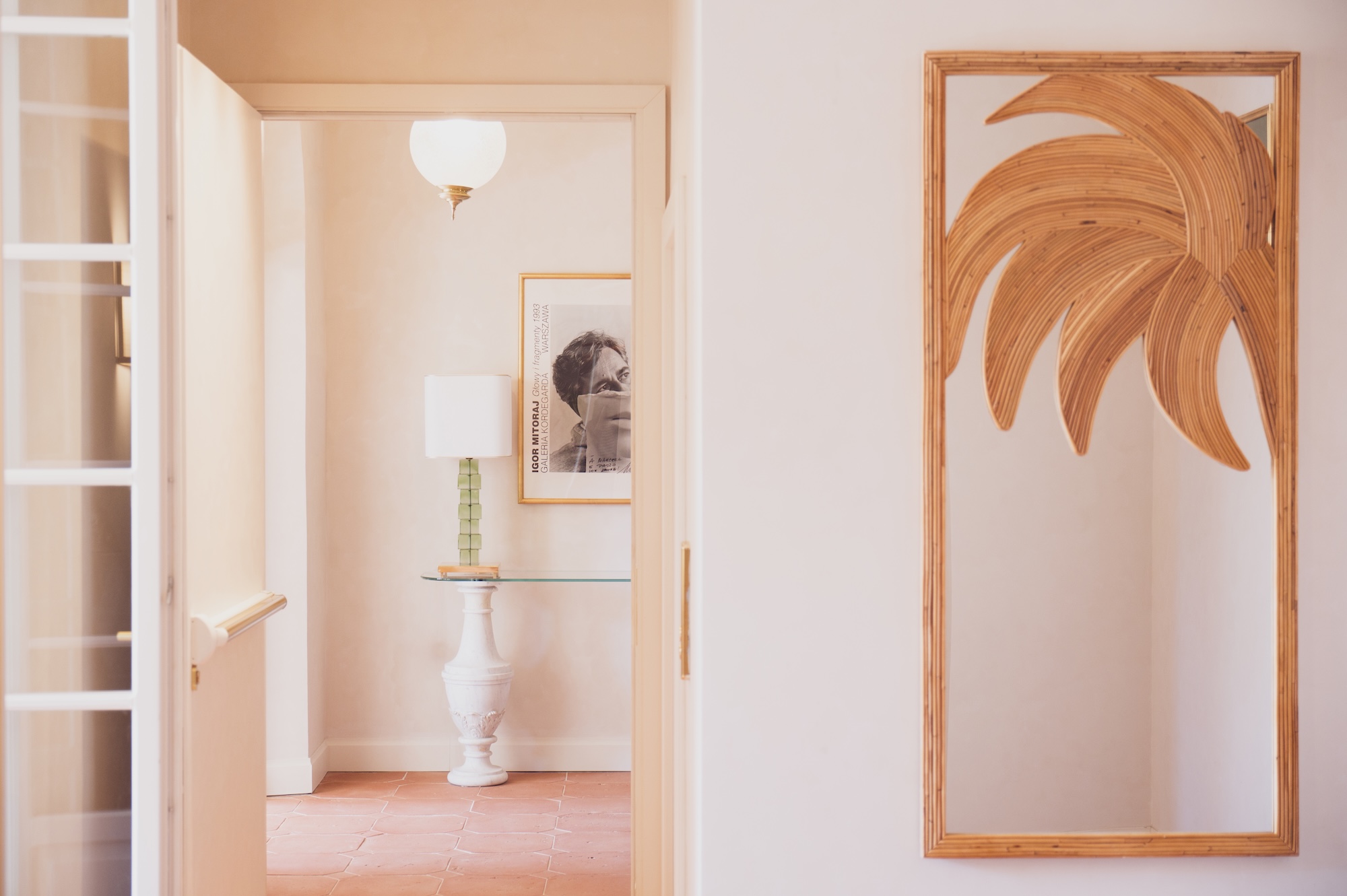
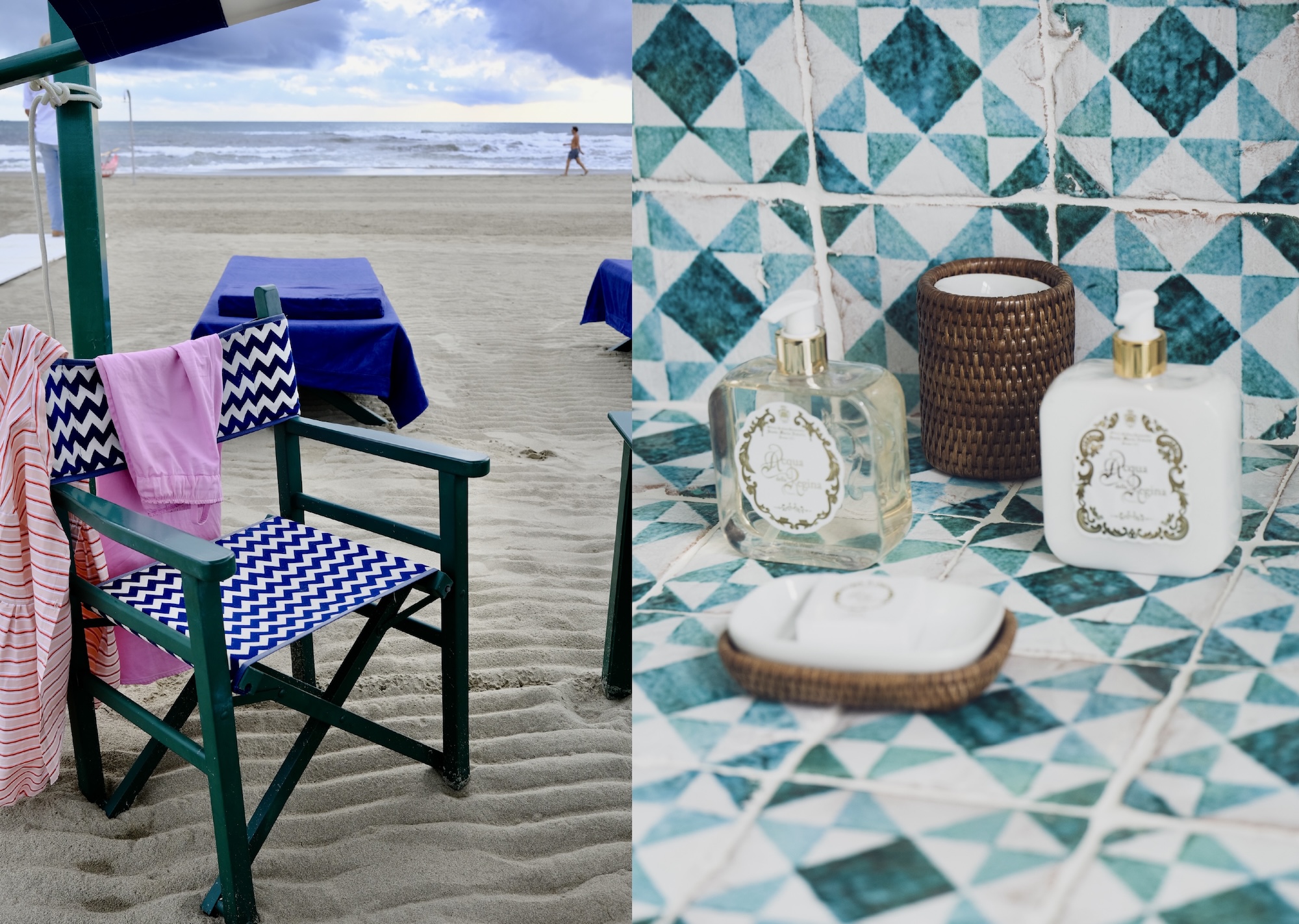
The Pensione America reopened in April 2025 after years of careful restoration by the Maestrelli family. It has seventeen rooms, terrazzo floors, Santa Maria Novella bath products, and a pool set into a pine garden. It is an adults-only house that is small enough to feel personal and well-considered enough to justify the trip. It is also, frankly, a very different place in May or October than it is at the height of summer.
Here is why both shoulder seasons are worth taking seriously:
1. The town actually works.
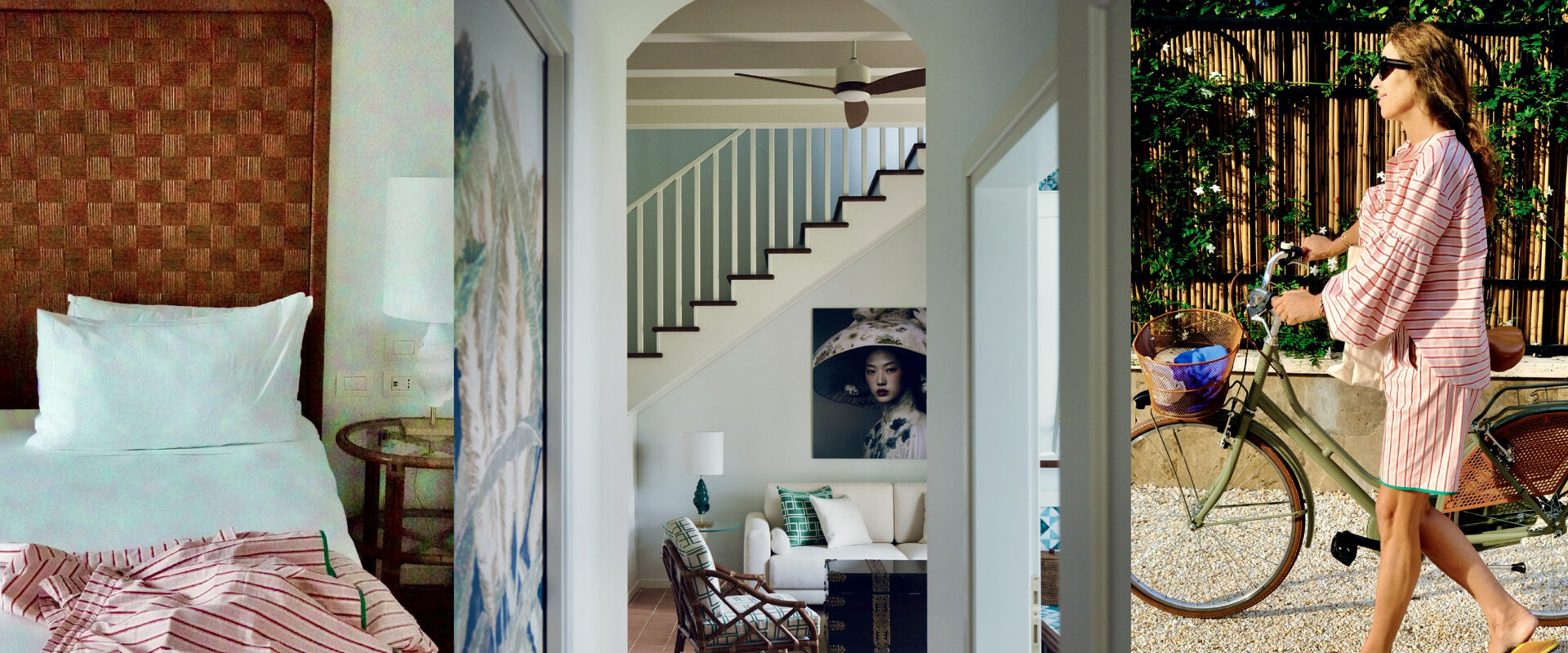
Forte dei Marmi has a weekly market, good restaurants that are not on anyone’s algorithmic list, and a beach promenade designed for cycling rather than queuing. In peak season, all of this still exists, buried underneath the traffic and the crowds. In spring and autumn it surfaces. The Pensione America lends guests bikes as a matter of course. In May or September, using them feels like the point of being there rather than an optimistic gesture. The difference is that in April the wisteria is still flowering and in October the pine forest smells of the first rain.
2. You get the hotel you booked.
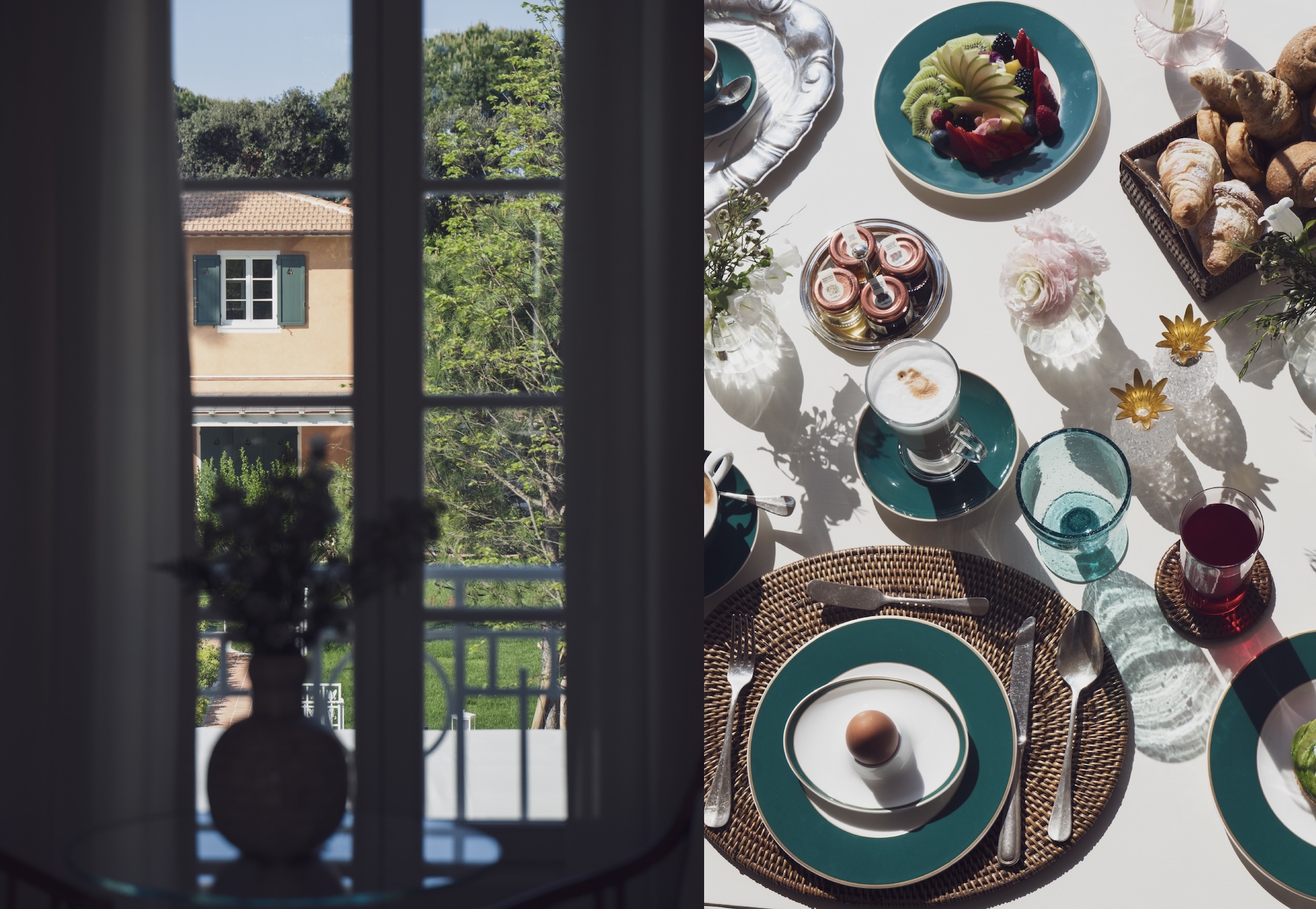
Pensione America is a place built for a certain quality of attention. The hand-painted Sicilian tiles in the bathrooms, the quiet outdoor salotti, breakfast on the veranda with fresh pastries from the kitchen. These things exist in August too, but they compete with noise and the pace that high occupancy brings. In the shoulder months the staff has time. The garden is genuinely still. The pool, ceramic-lined and shaded by pines, functions as a place to spend an afternoon rather than a place to secure a lounger before nine in the morning.
3. The light is different, and better.
This is not a poetic observation. It is a practical one for anyone who travels with their phone or a camera. Both spring and autumn offer something that midsummer does not: light that is lower, longer and less harsh. In April the coast is clear and bright without the haze that settles in July. In October the Apuan Alps behind Carrara read sharply against the sky and sunsets happen at a civilised hour. A Campari on the Pensione America’s terrace at six in the evening is, in either season, simply a better experience than the same drink in the full glare of August.
4. The food follows the season.
Italian coastal kitchens in summer do what they do: fritto misto, grilled fish, straightforward crudi. It is good. It is also predictable. Spring brings asparagus, young artichokes and the first local strawberries. Autumn changes the menu more dramatically: porcini, white truffles from the hills near San Miniato, chestnuts. Nearby Lucca, thirty minutes by car, is one of the most underrated food towns in Tuscany and is considerably easier to enjoy when it is not overrun. In either shoulder season, the restaurants in Forte dei Marmi that operate year-round are cooking for people who live there. That distinction tends to show up on the plate.
5. It costs less and delivers more.
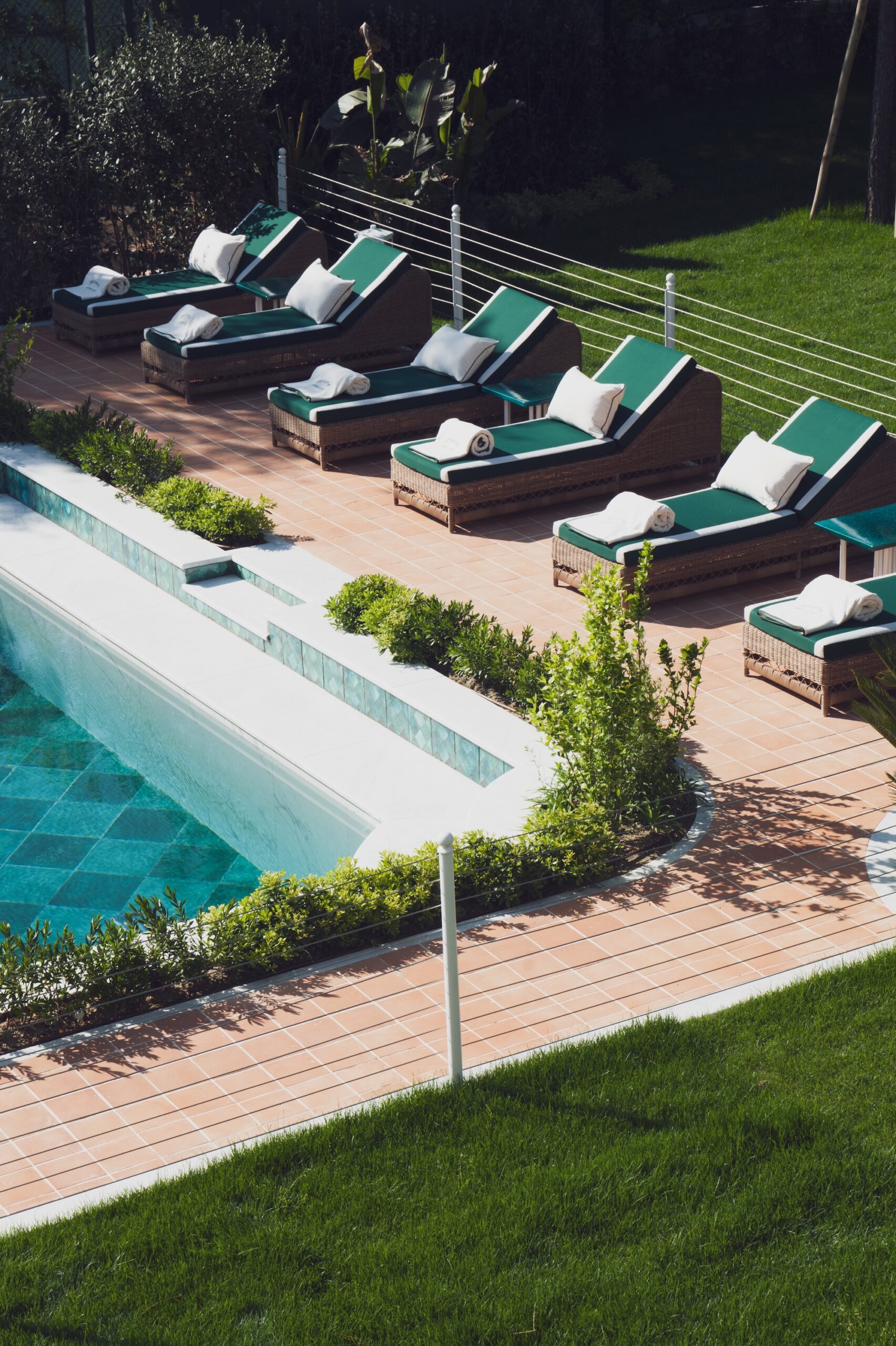
Off-season rates at hotels like the Pensione America can be meaningfully lower than peak summer prices, and the experience of the hotel itself is, by most measures, better. Fewer guests, more availability and a version of Italian hospitality that has space to breathe. The argument that you need to go in August to get the full experience is worth questioning. What you get in August is the full crowd. What you get in May or October is closer to what a place like this was designed for.
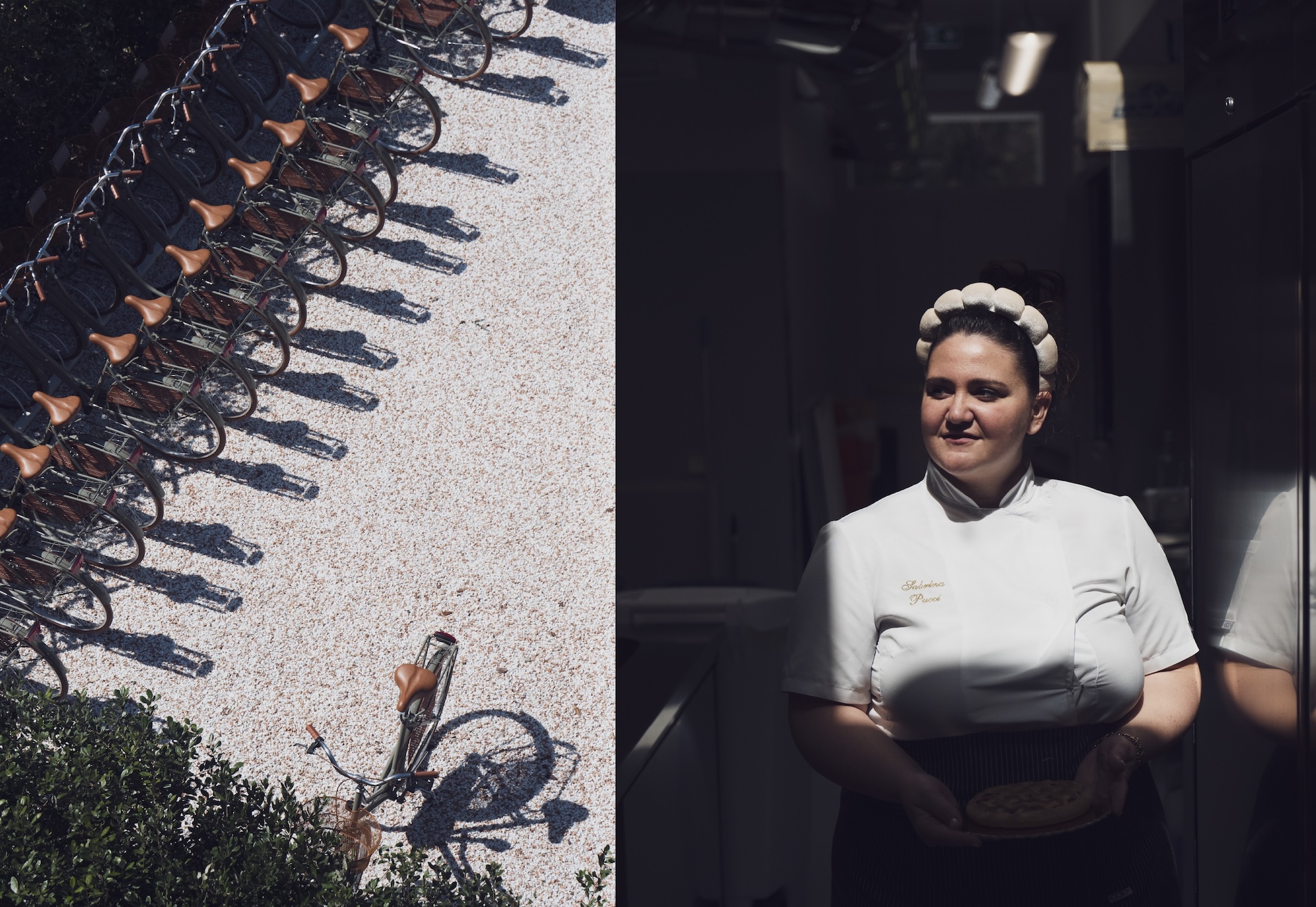
Off-season travel is not about managing expectations. At the right hotel in the right place, it is about exceeding them. The Pensione America is small, considered and genuinely family-run. It is the kind of hotel that improves significantly when it is not operating at its limits. Go in spring or go in autumn. Book a Grand Room with a terrace. Take the bikes out in the morning. Have lunch somewhere that does not have an Instagram page. Both seasons work. Both are the right answer.