Some hotels arrive with a bang. Others seem to have always existed. The Orient Express La Minerva belongs to the latter.
Step inside and you understand at once that this is neither a contemporary interpretation of Roman grandeur nor a theatrical recreation of the past. Built in 1620 and converted into a hotel in 1811, La Minerva carries its history lightly. Herman Melville stayed here. So did Stendhal. The corridors possess the strange calm of another century, and there is something deeply Roman about the way memory settles into the walls without tipping into nostalgia.

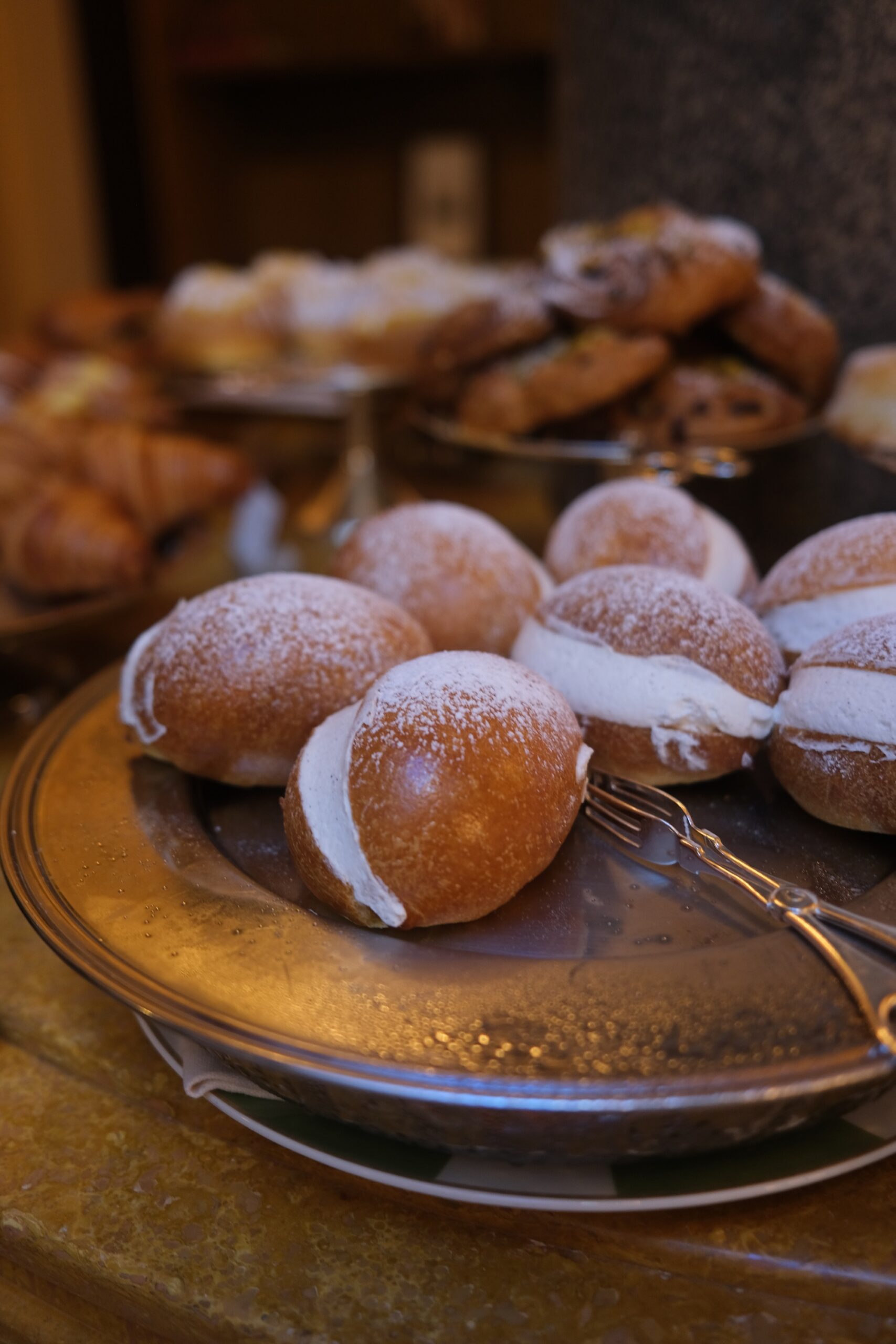
The location is extraordinary, yet protected. Two minutes from the Pantheon and steps from Piazza Navona, it remains shielded from the particular chaos of central Rome. In the early morning, before the city has fully woken, the surrounding streets belong to delivery scooters, church bells and espresso. That is when Rome is most itself. Breakfast still matters here: a cappuccino and a maritozzo, a soft, sweet bun filled with cold whipped cream. One of the city’s simplest rituals.
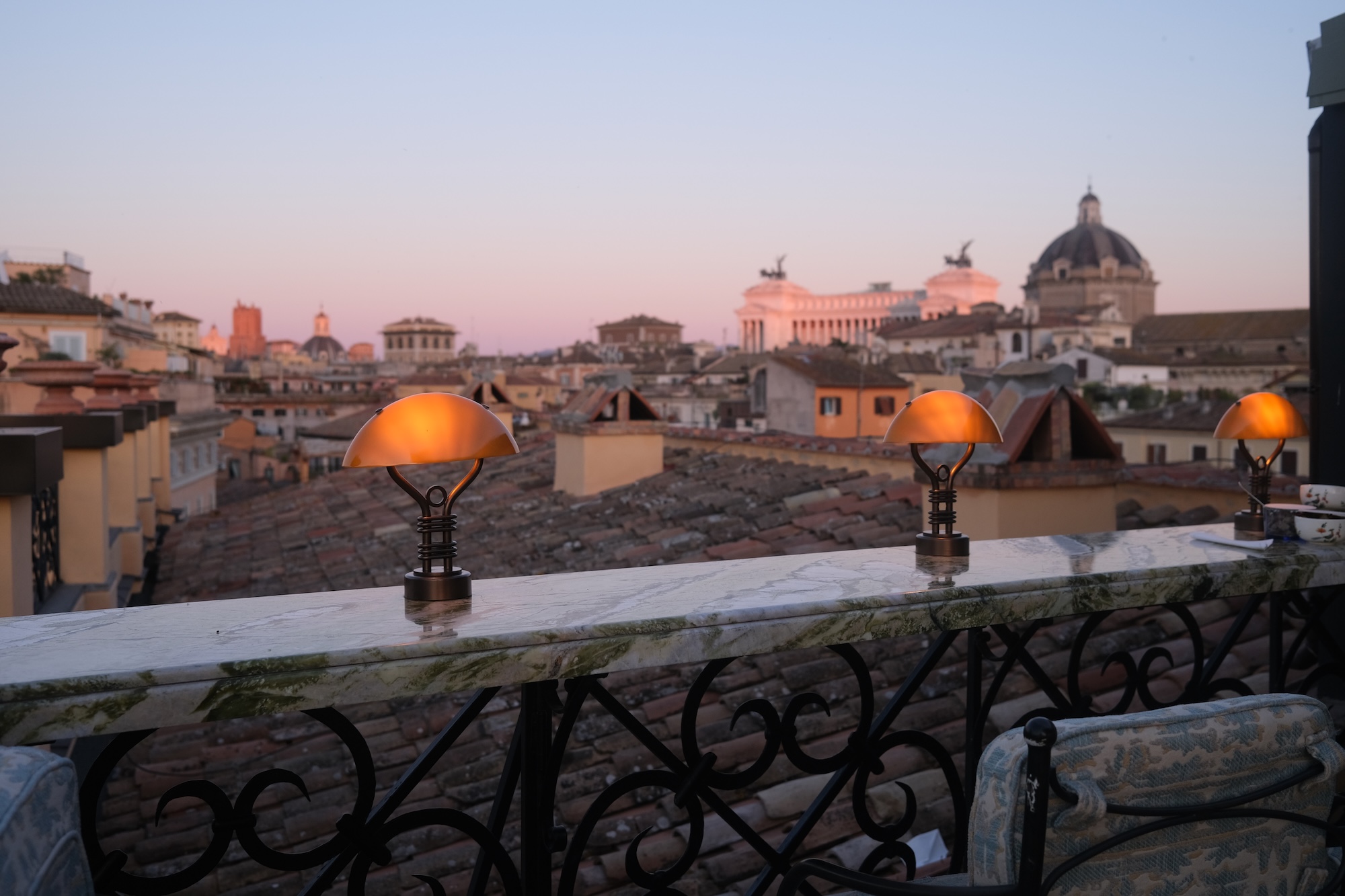
The connection to the legendary Orient Express is subtle. The corridors evoke the intimacy of train carriages, and details reveal themselves slowly. Bedding by Rivolta Carmignani, the same linens that once adorned the sleeping cars, brings a cinematic softness to the rooms. Bespoke trunks beside each bed suggest an era when people travelled with patience and style. Bathrooms lined with Rosso Verona marble, ceilings painted like open skies, basins shaped like shells: the hotel absorbs Rome’s codes rather than restating them.
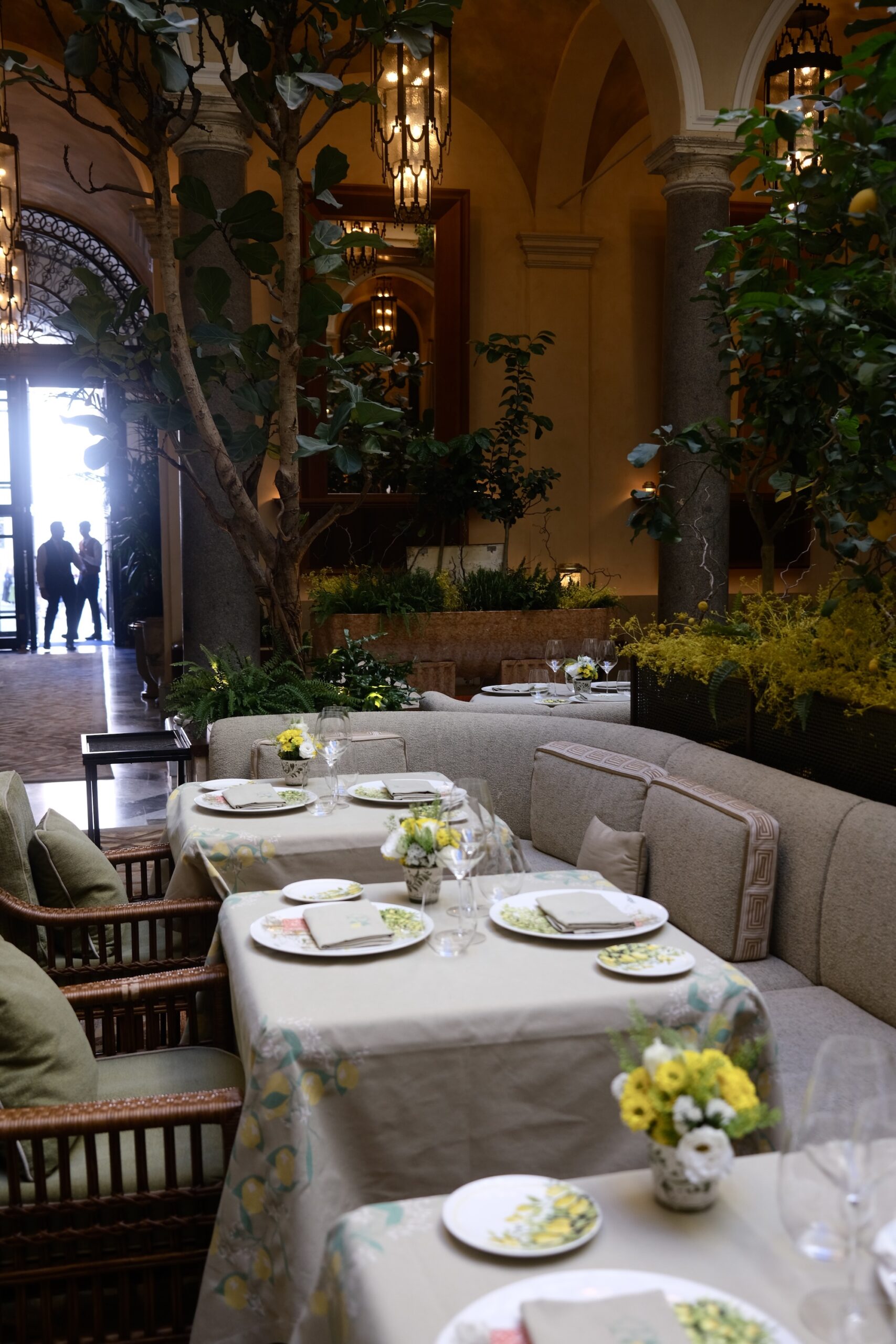
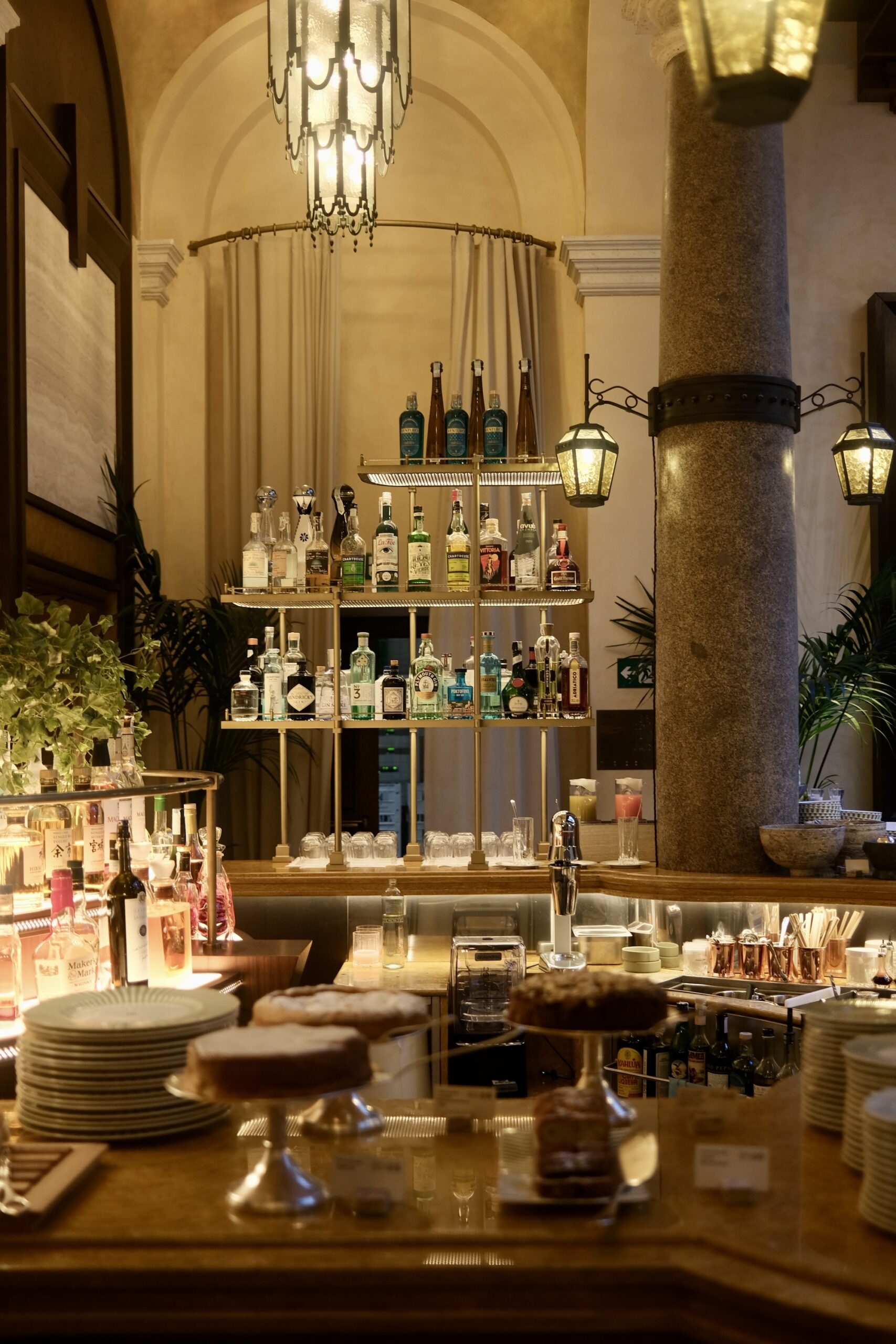
The interiors, designed by Hugo Toro, avoid the predictable clichés of luxury hospitality. Murano chandeliers, marble statues and Art Deco references are present, but none are staged. The atmosphere is sensual without effort.
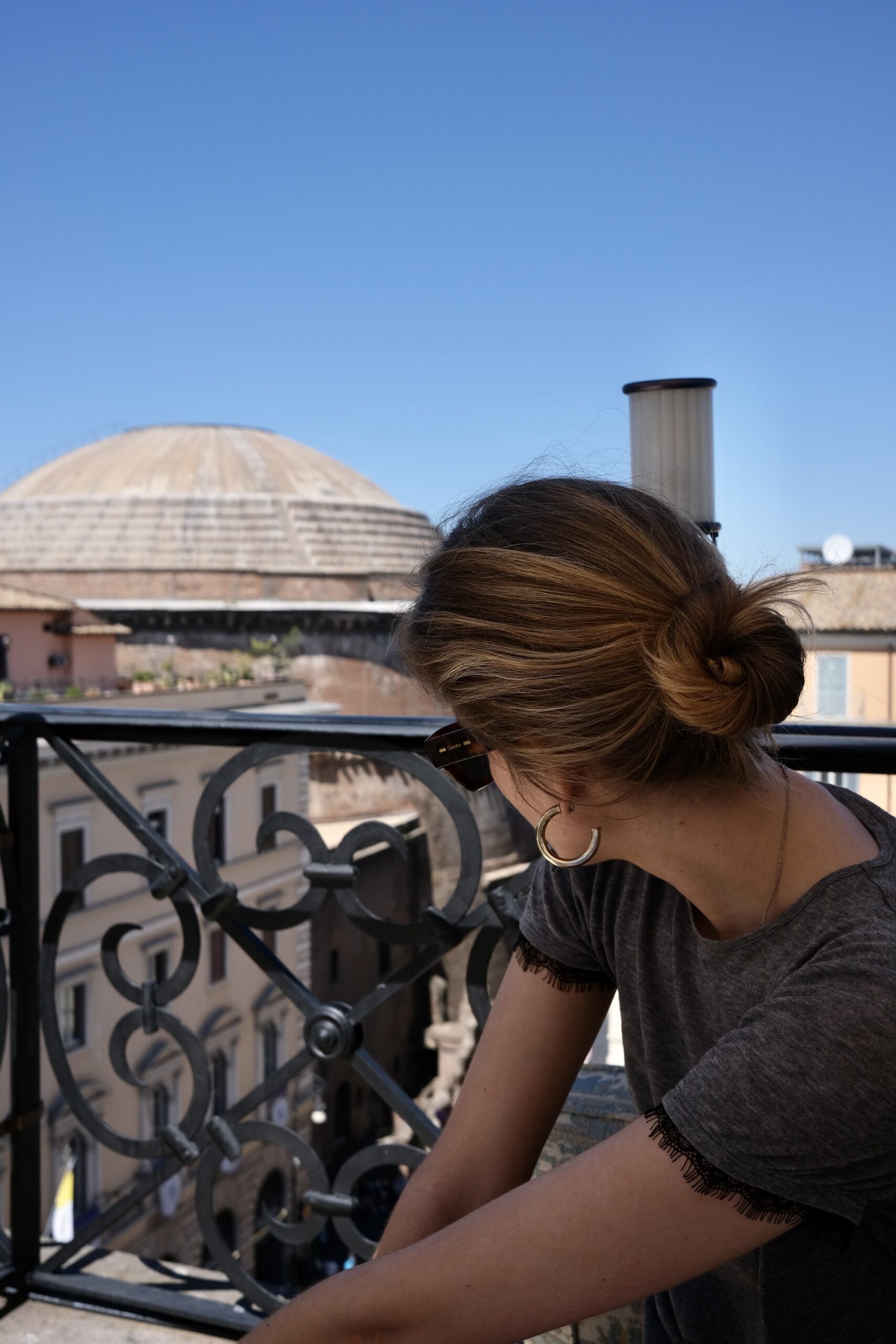
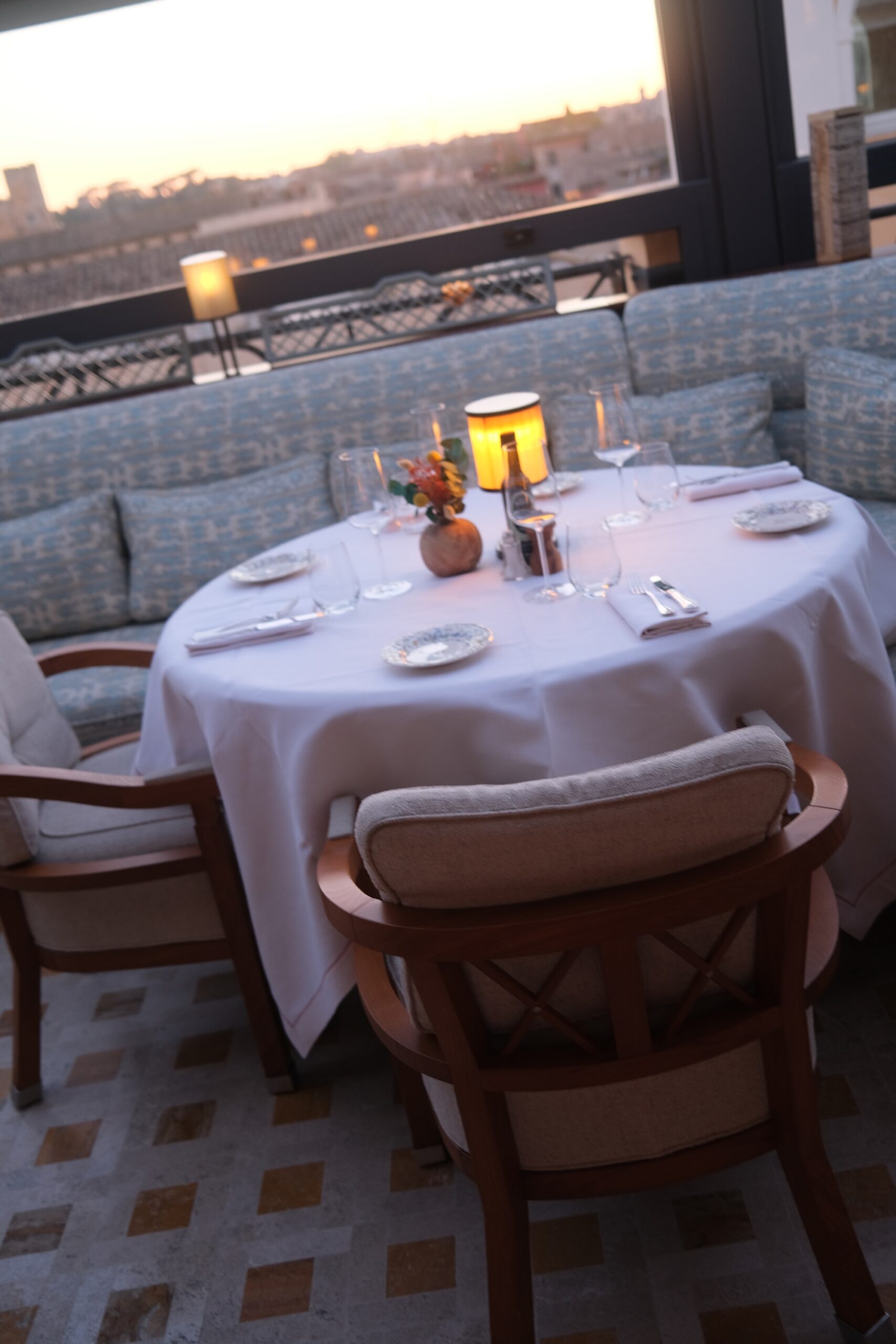
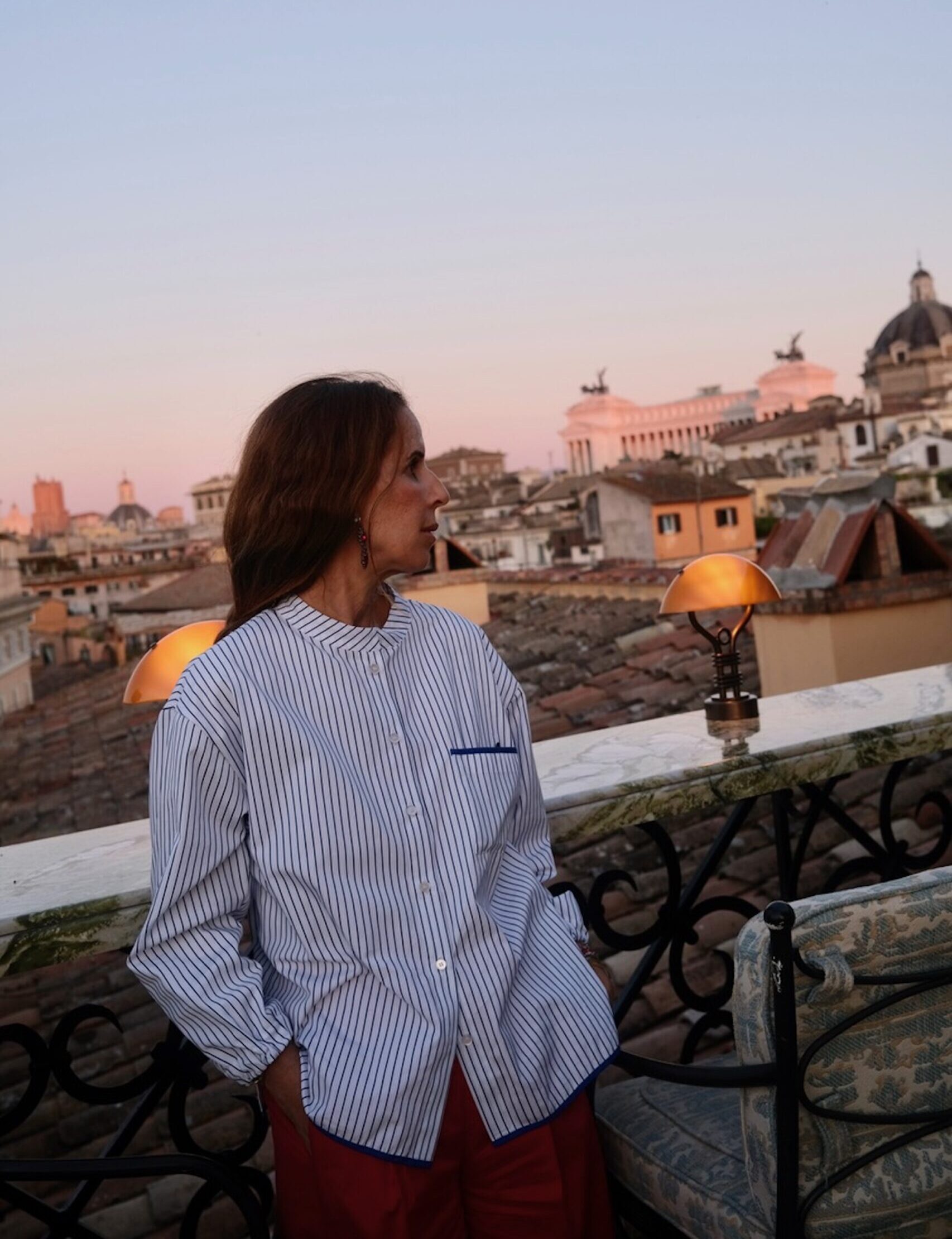
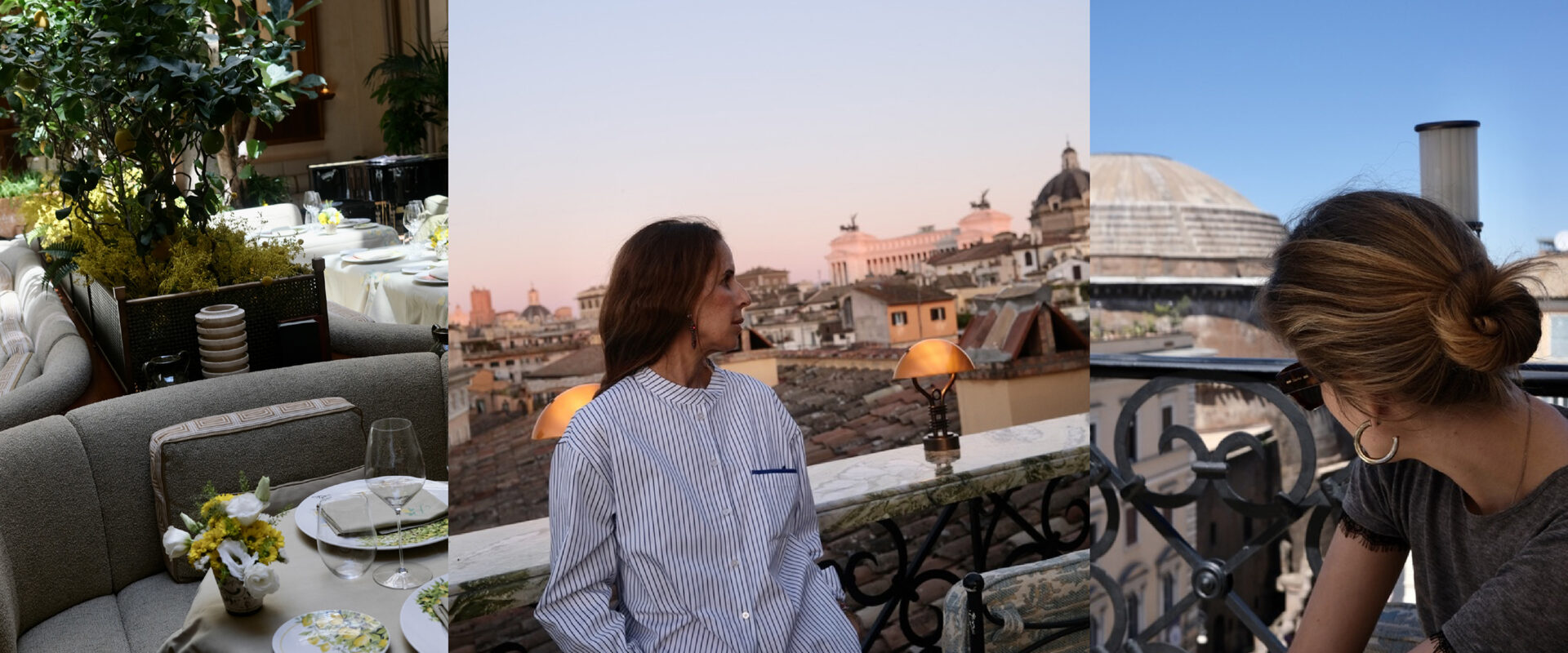
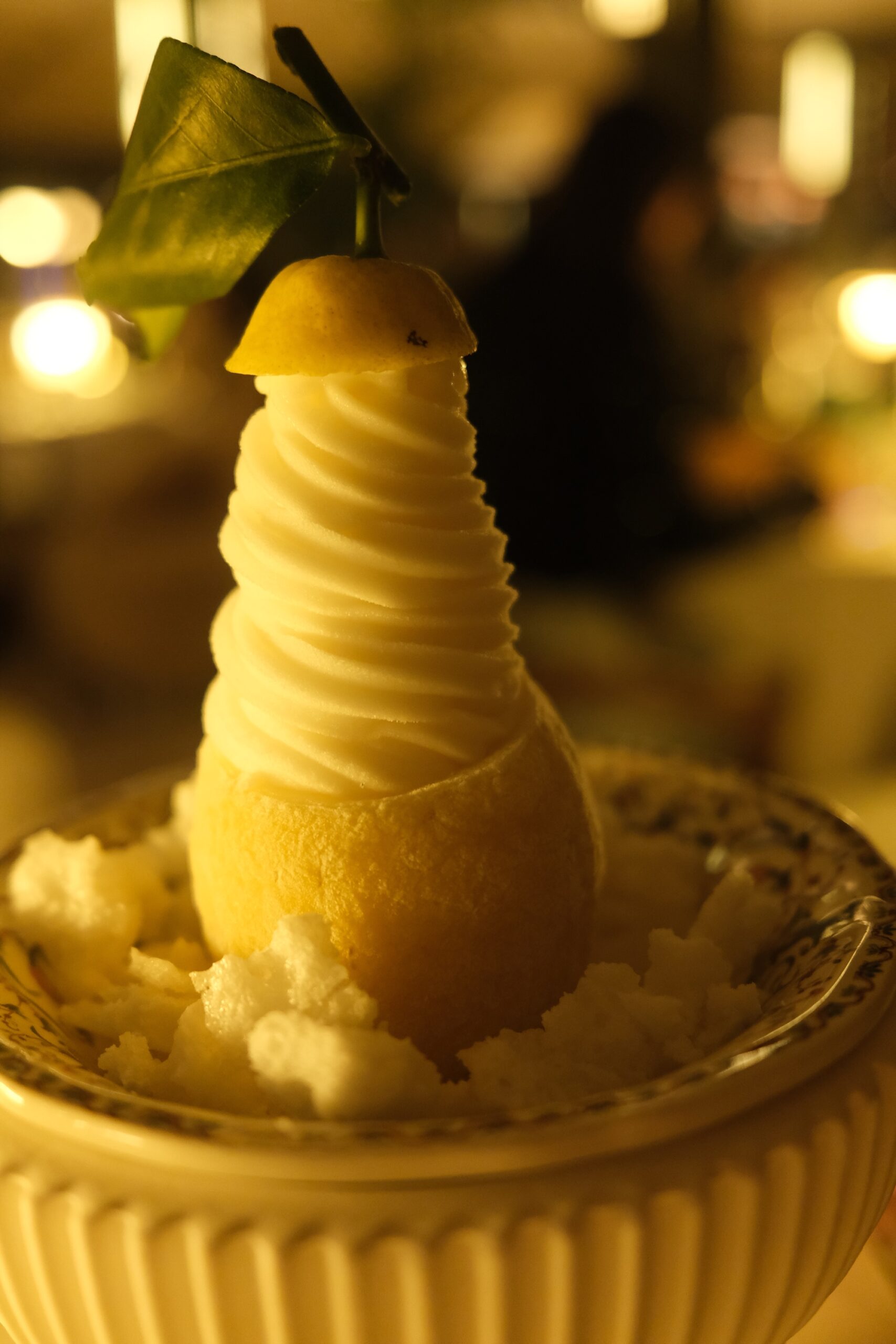
Then there is the rooftop. Gigi Rigolatto Roma opens directly onto one of the city’s most extraordinary views: the Pantheon almost impossibly close, surrounded by terracotta and evening light. Bellinis, floral Negronis, handmade pasta, lunches that slowly become aperitivo. The lemon sorbet, sharp and intensely fragrant, is reason enough to return.
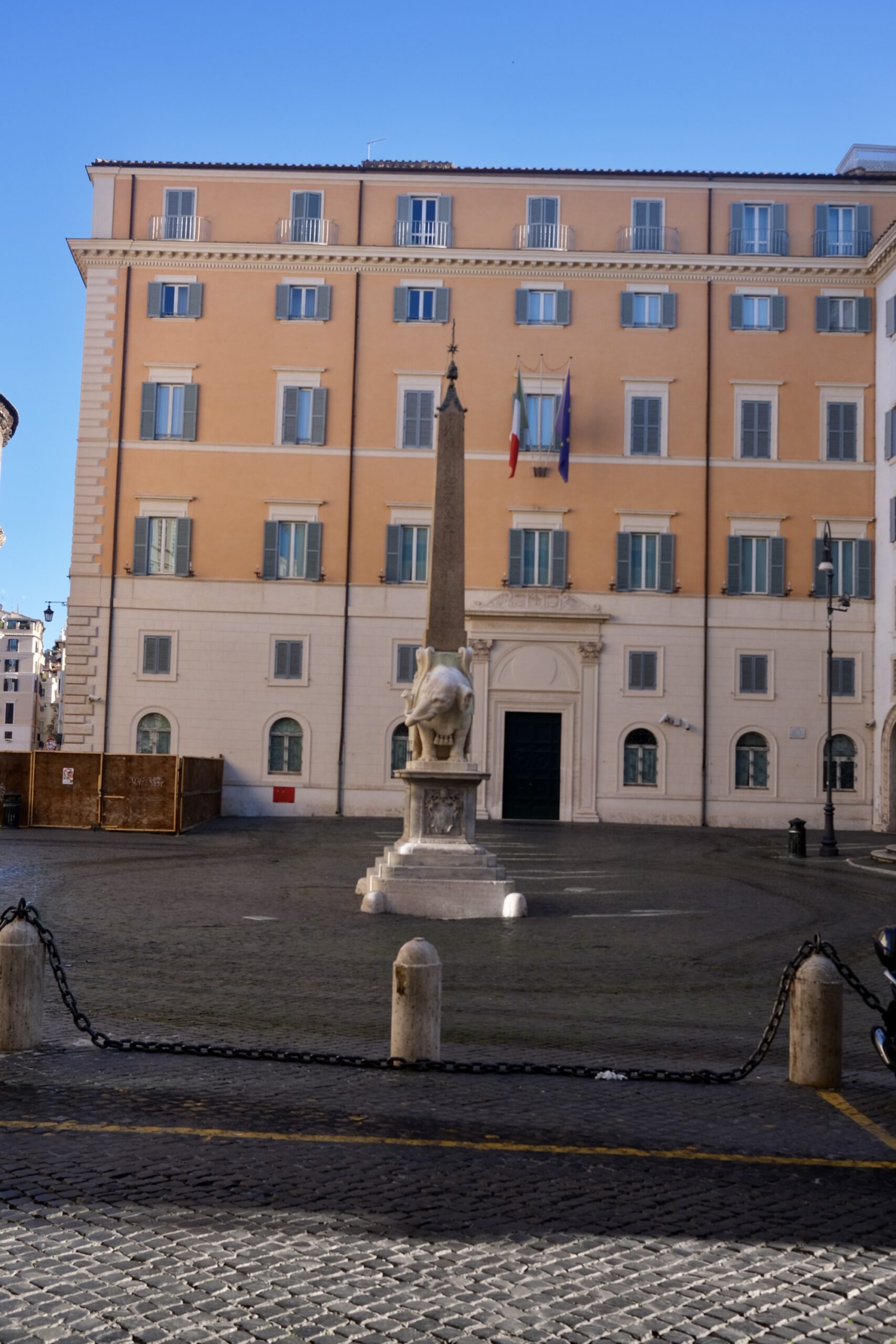
So many luxury hotels today feel interchangeable, equally at home in Dubai, Miami or Singapore. La Minerva could only exist in Rome. A hotel that remembers what travel once felt like.