
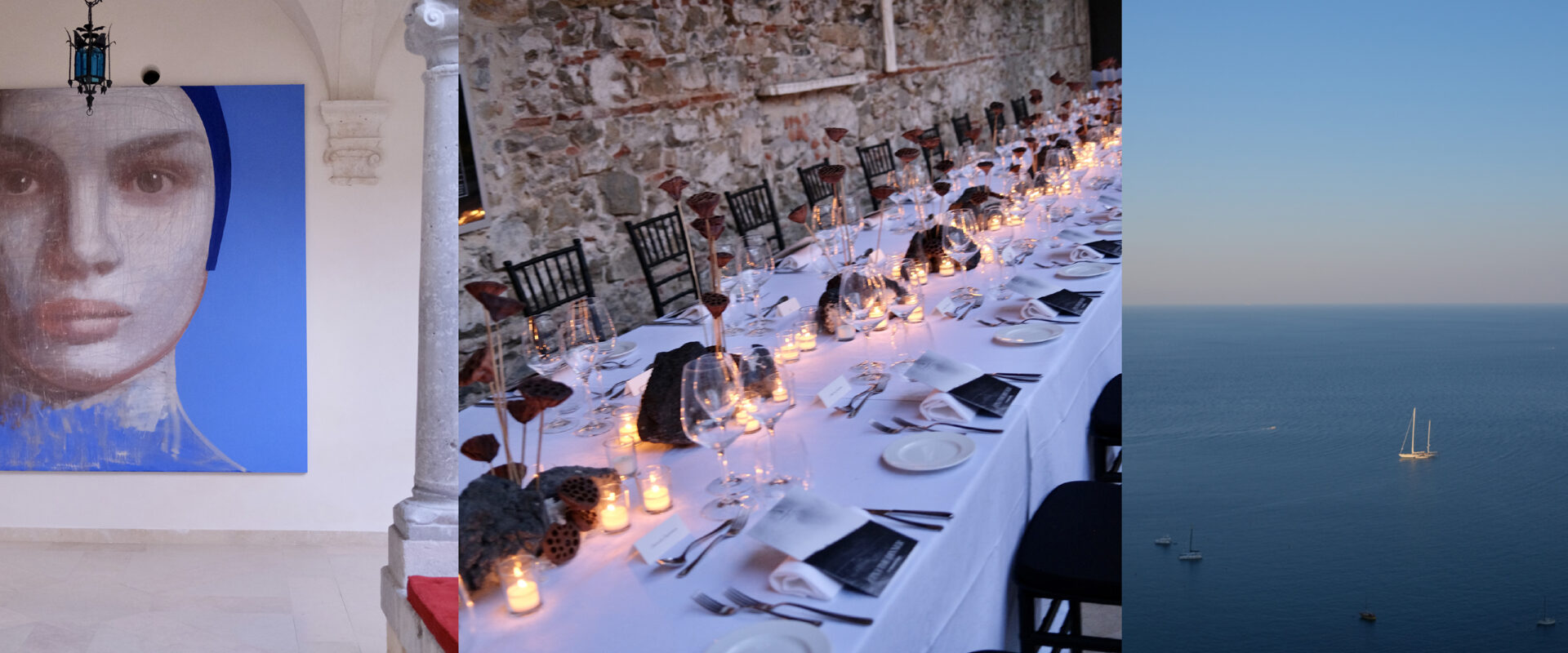
Some places defy comprehension if you only observe them. Taormina is one of them. The volcano beneath the town means that nothing here ever quite settles, and the light has an effect on the air that is hard to describe. While what social media and White Lotus have made of it is real enough, it is not the whole story.
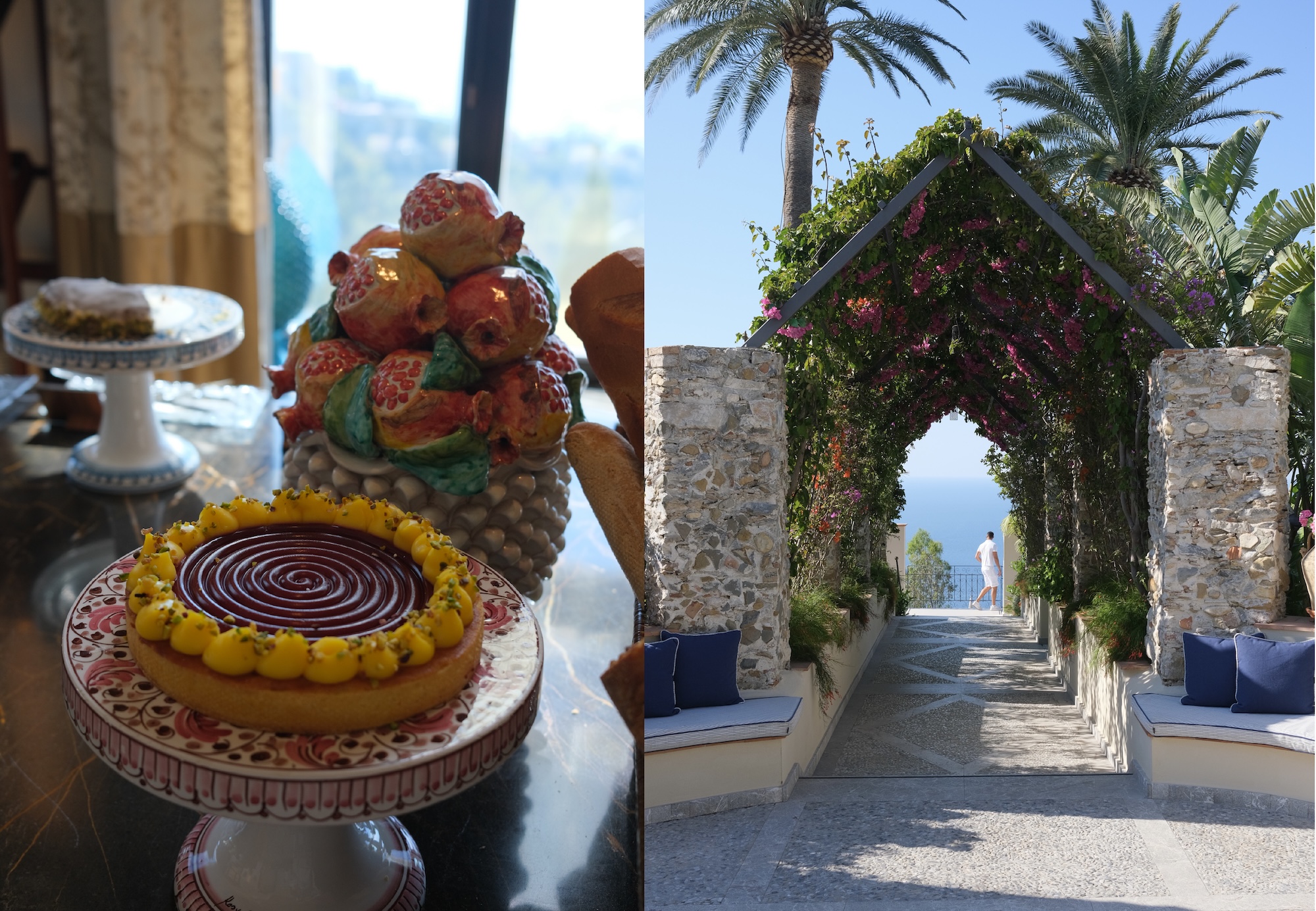
Once the backdrop falls away, what remains is something older. It is a quality of freedom that has drawn others here before. Oscar Wilde arrived in 1898 and stayed for a month. D. H. Lawrence lived here from 1920 to 1922, and it is said that it was here that he found what he needed to write Lady Chatterley’s Lover. Truman Capote, Tennessee Williams, Nietzsche and Klimt all came here too. Each of them found something in this hilltop town that their own cities had withheld from them.
The convent of San Domenico has been at the centre of this story since 1374. It became a grand hotel in the late nineteenth century, and today, as San Domenico Palace, Taormina, A Four Seasons Hotel, it remains the place where the island’s particular atmosphere is felt most acutely. Something of the original disposition has stayed in the old vaulted rooms.
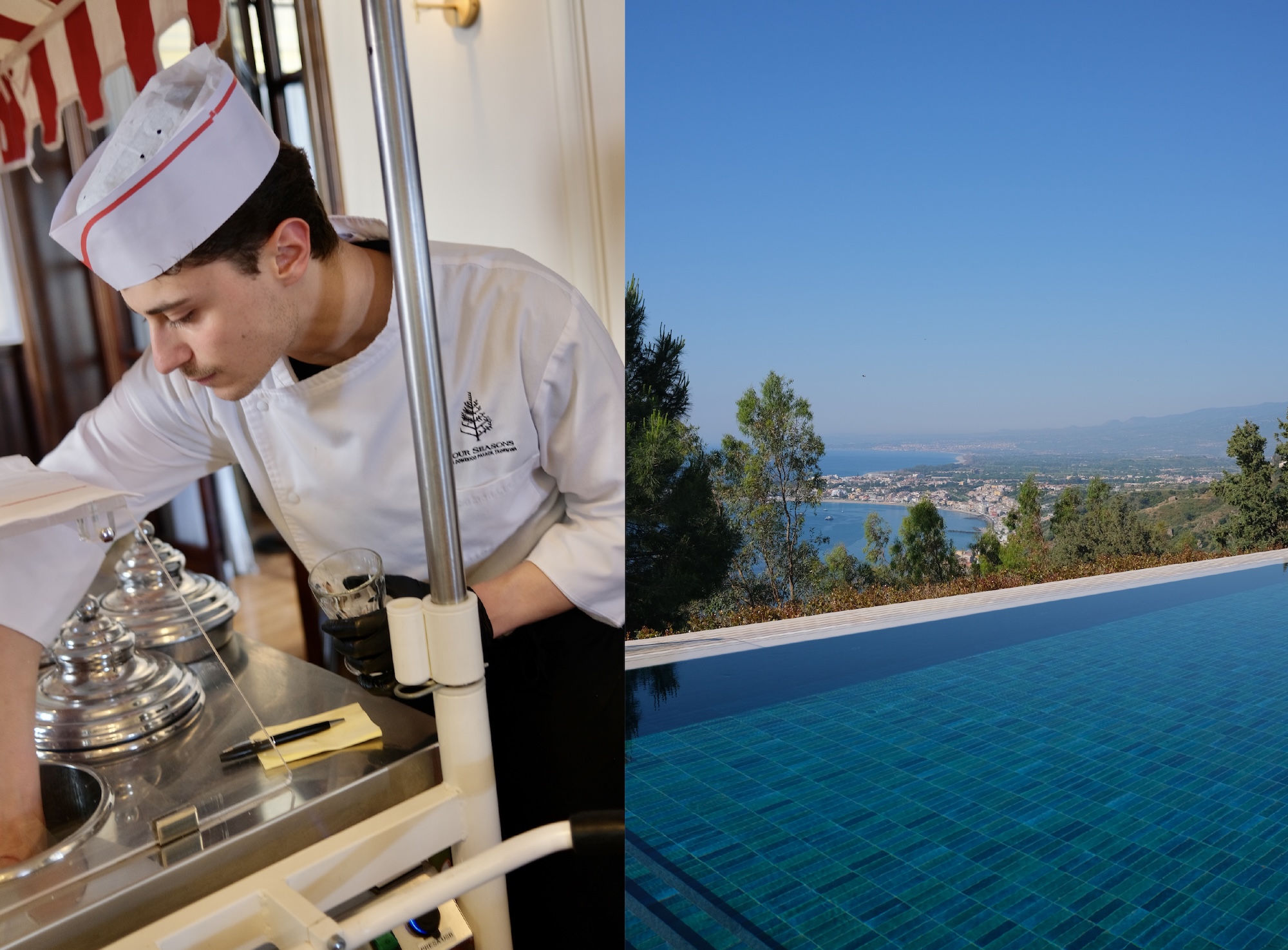
We came for Renato D’Agostin. The Venice-born artist is renowned for his monochrome silver gelatin prints, graphic compositions and a darkroom practice that transforms images rather than merely documenting them. For this project, D’Agostin set up his laboratory in one of the oldest surviving sections of the former convent. He has spoken of his belief that it is still possible to photograph Venice by freeing it from the cliché that has become its only representation. Taormina demands precisely the same approach.
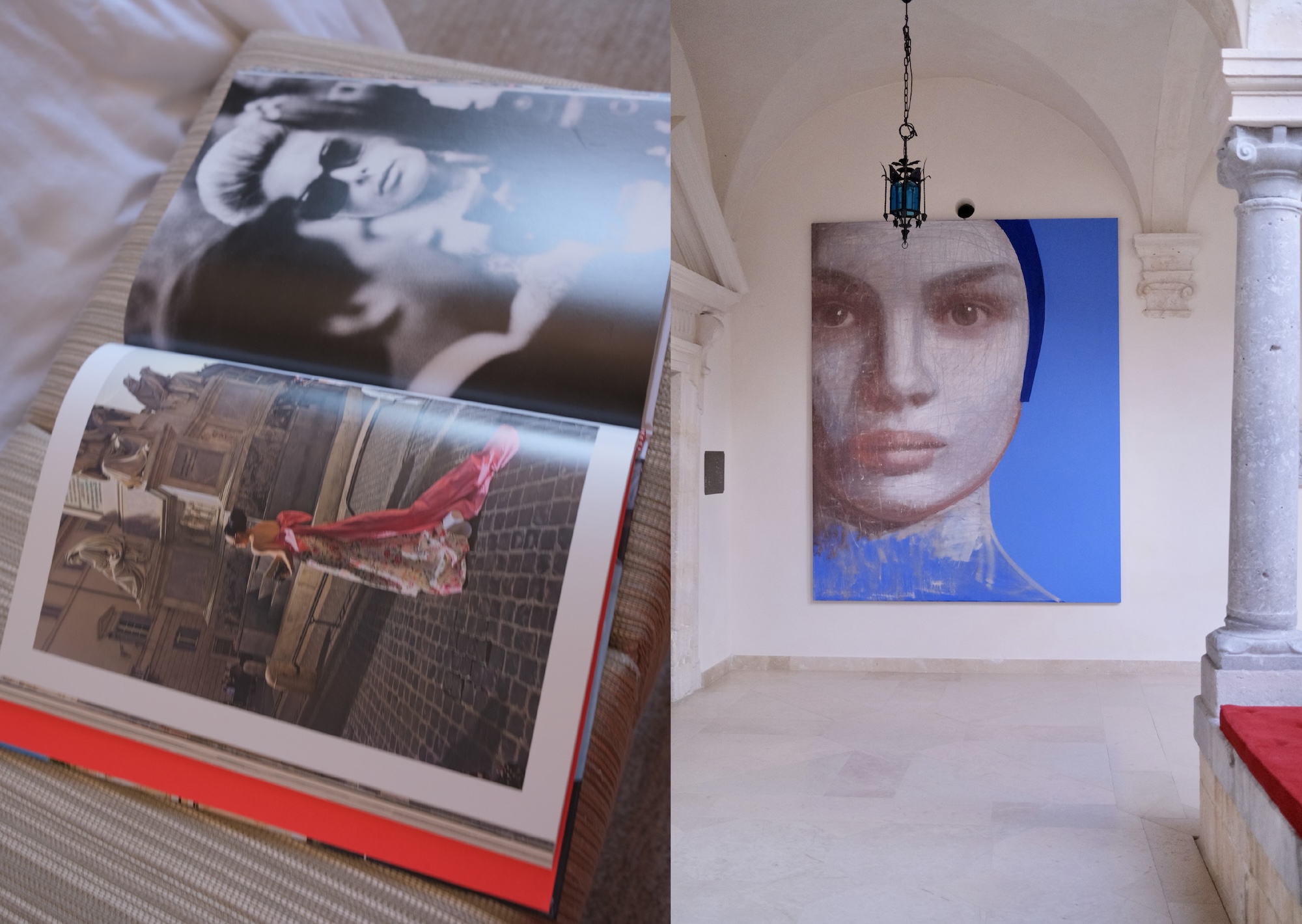
The evening was built around three voices: D’Agostin’s photographs; compositions by Daniele Furlati, a pianist who studied under Ennio Morricone at the Accademia Musicale Chigiana in Siena; and the cuisine of Massimo Mantarro, a chef. All three spoke of the same subject: Etna.
This landscape was rendered in three different languages. The evening was curated by Claudio Composti, a gallerist and art dealer, in a space seemingly made for this kind of conversation for centuries.
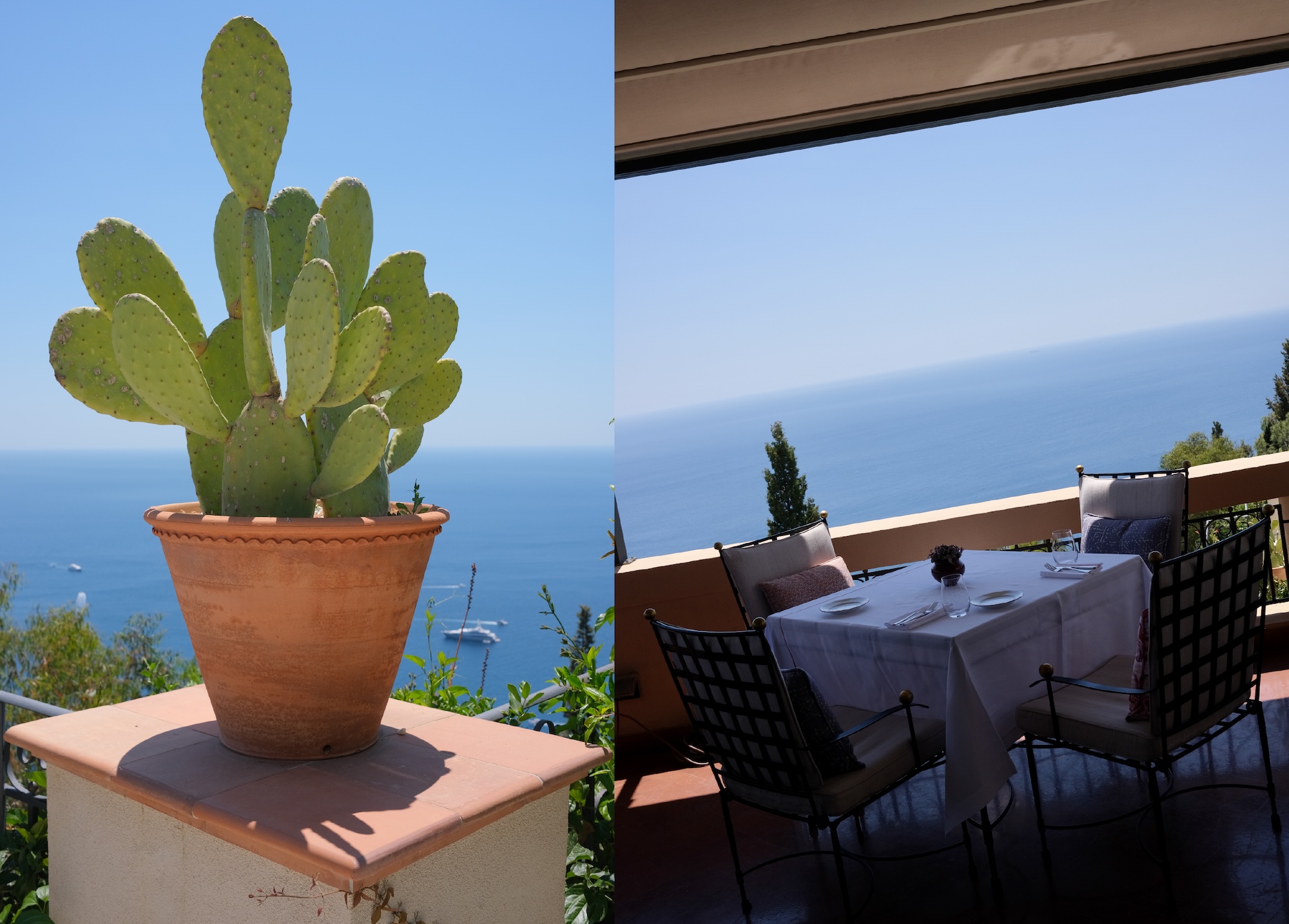
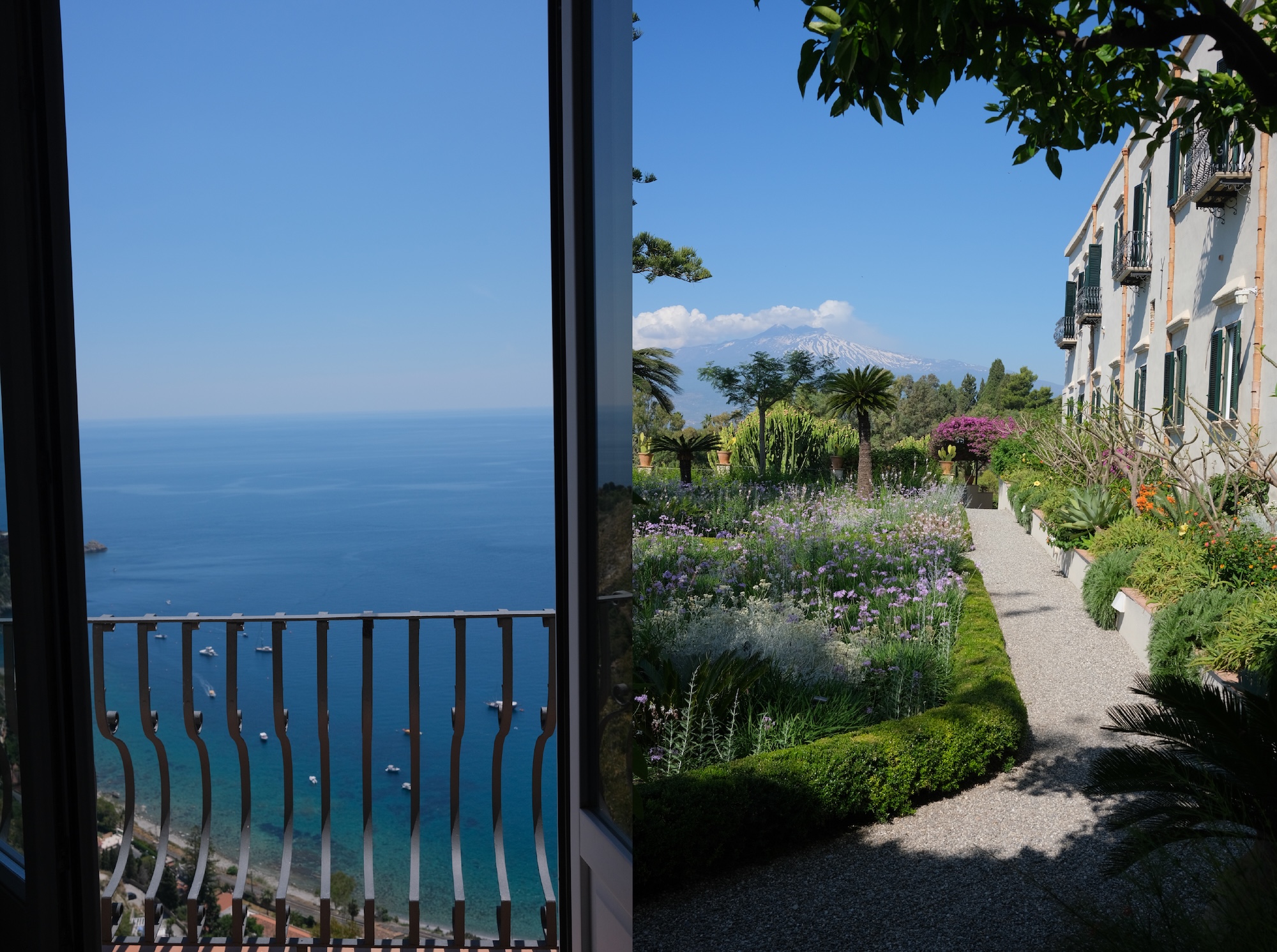
Those who leave the main street behind and make their way to the beach or climb the slopes of Etna will still find what drew others here in the first place: a landscape that demands something of you. And art that knows how to speak about it.
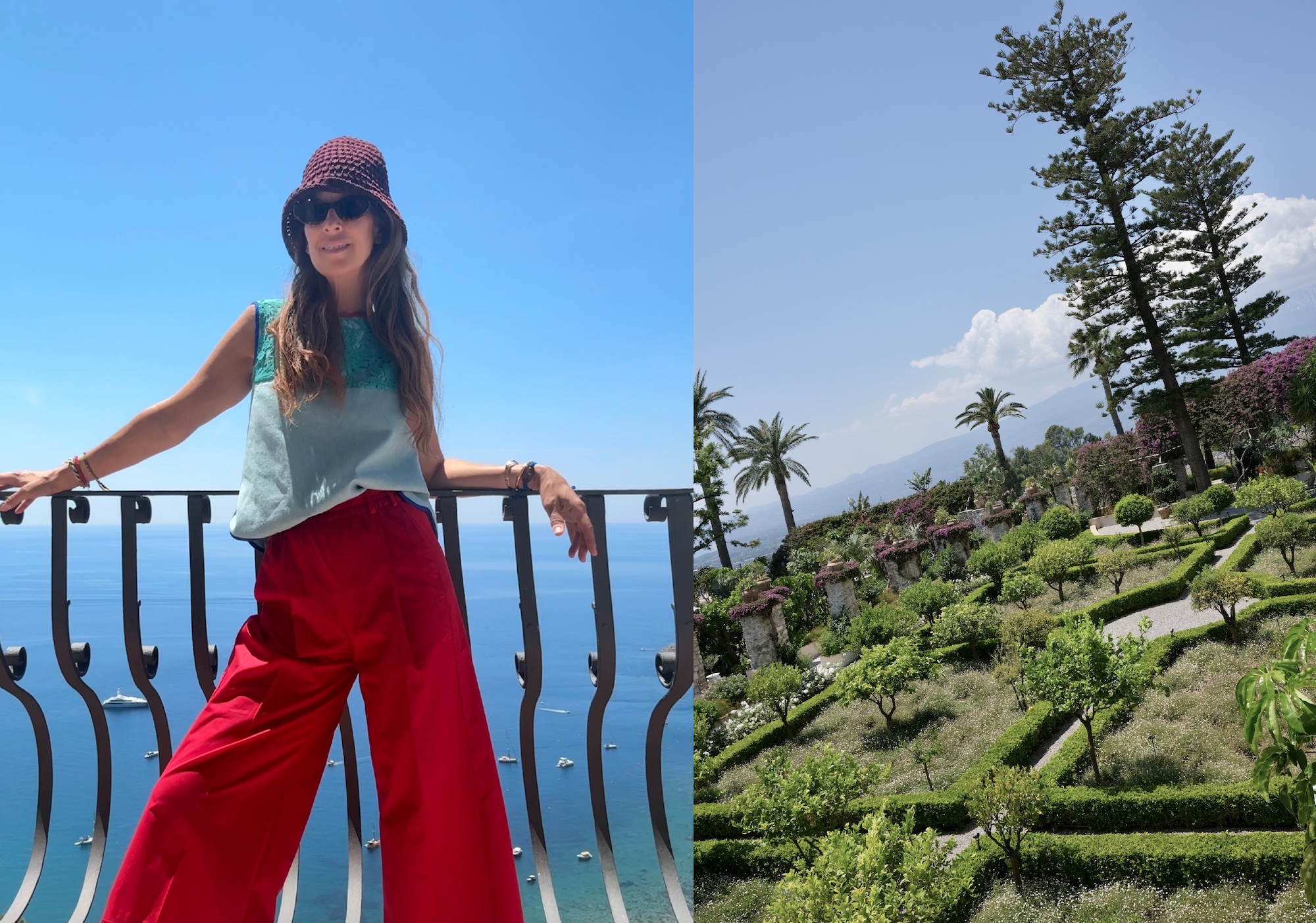
An event held at the invitation of Four Seasons Hotels.