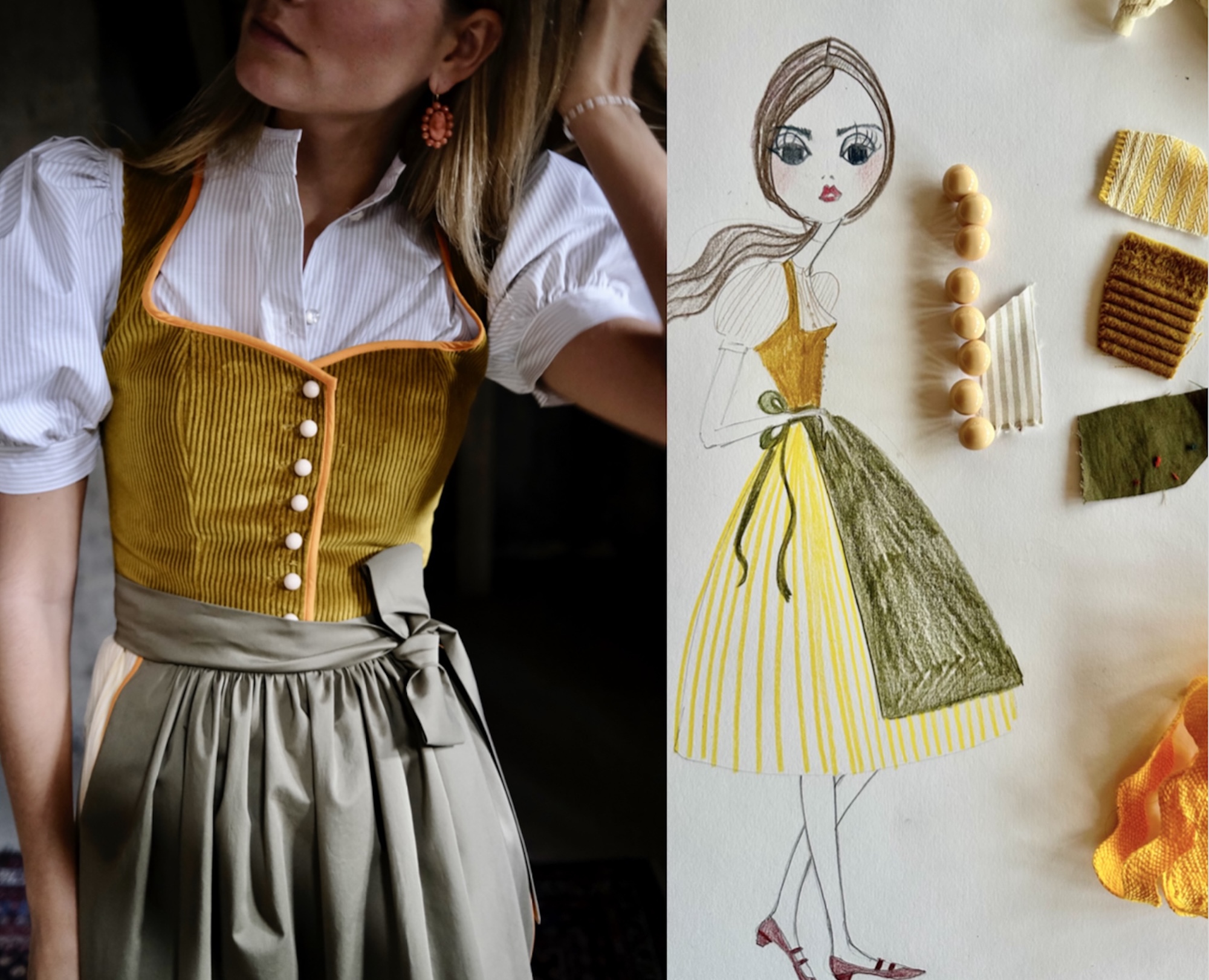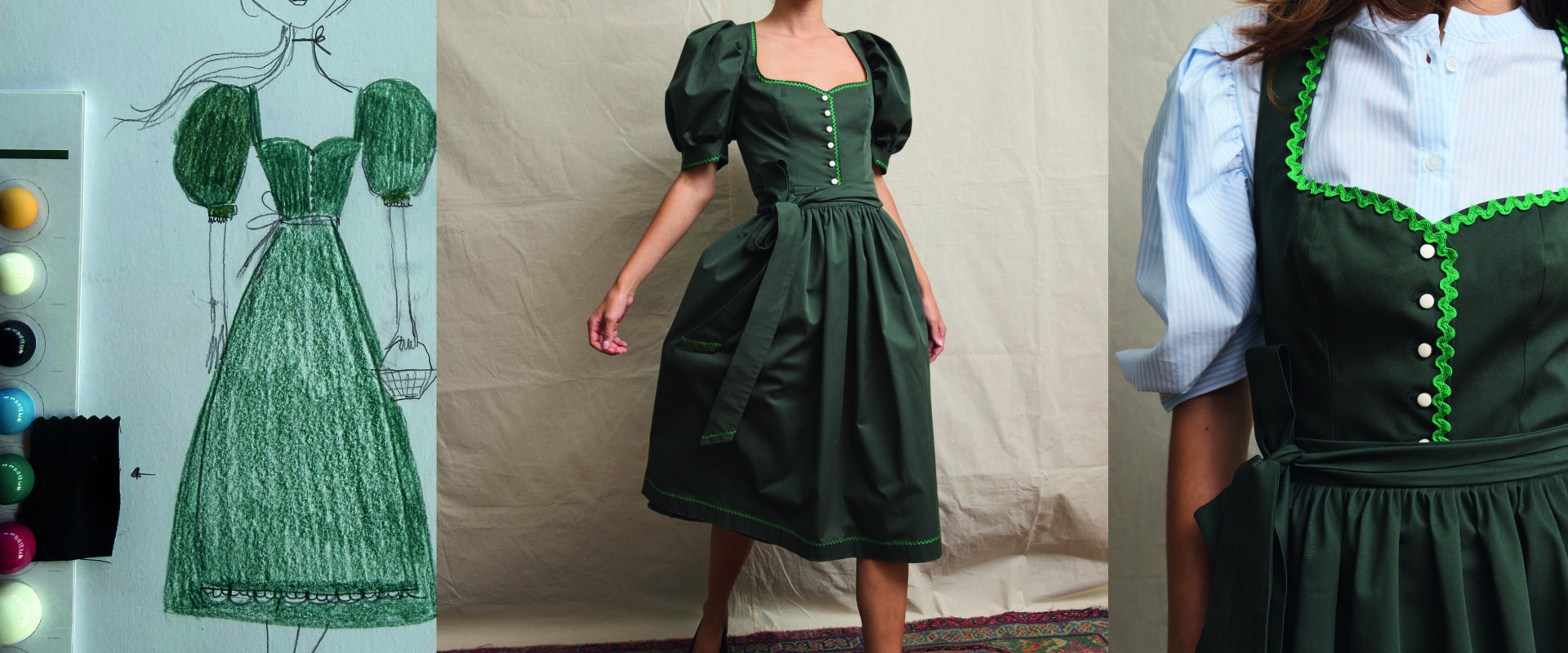
The dirndl has always been a costume of contradiction — a servant’s uniform reborn, within a single generation, as high fashion. What began in the eighteenth-century Alps as practical working dress for farmhands and dairy maids was, by the 1870s, adopted wholesale by the Munich bourgeoisie as romantic country attire, the pinafore-and-blouse silhouette recast almost overnight from labour to leisure. It has carried that duality ever since — half folklore, half fantasy, endlessly reinvented by whoever puts it on.
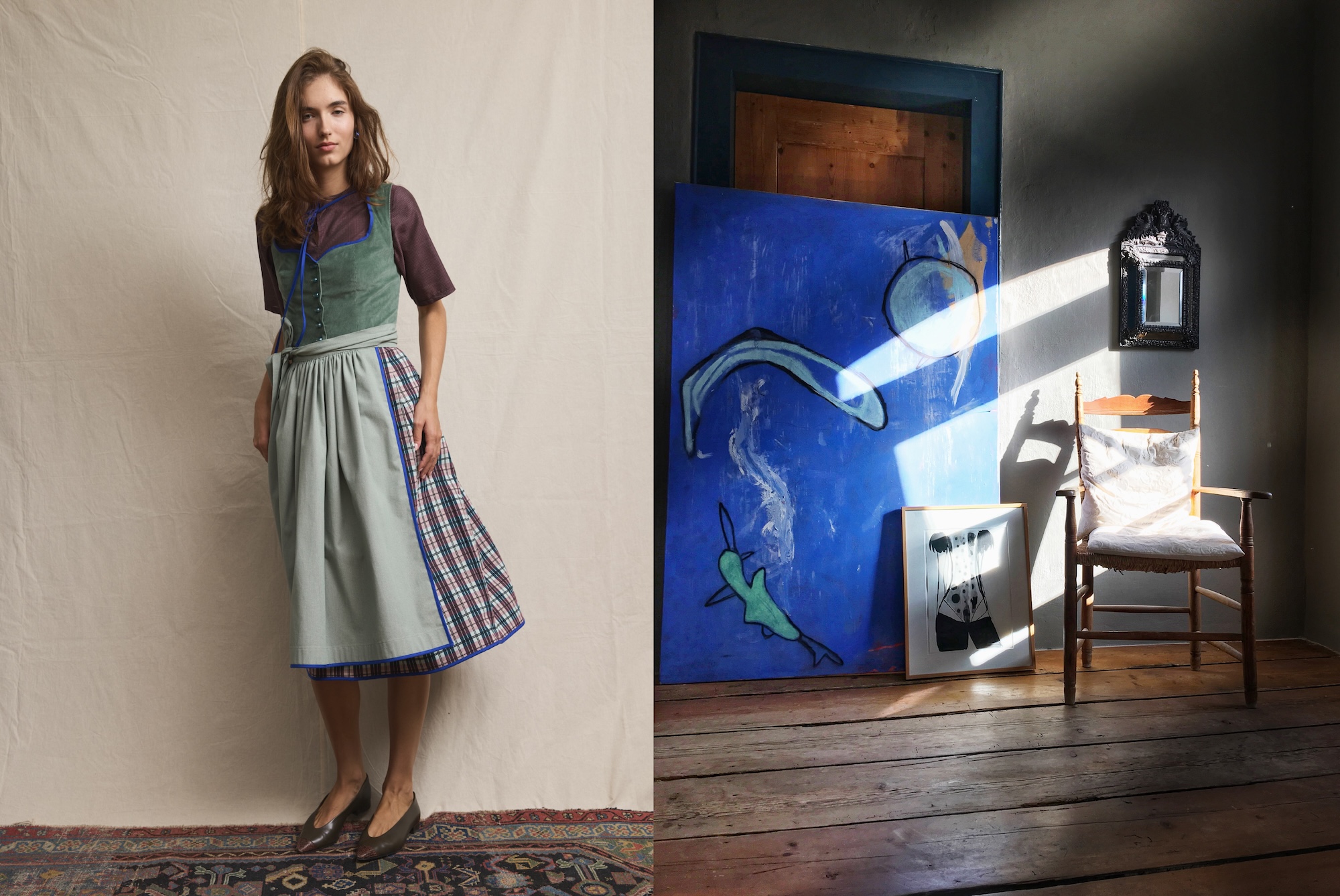
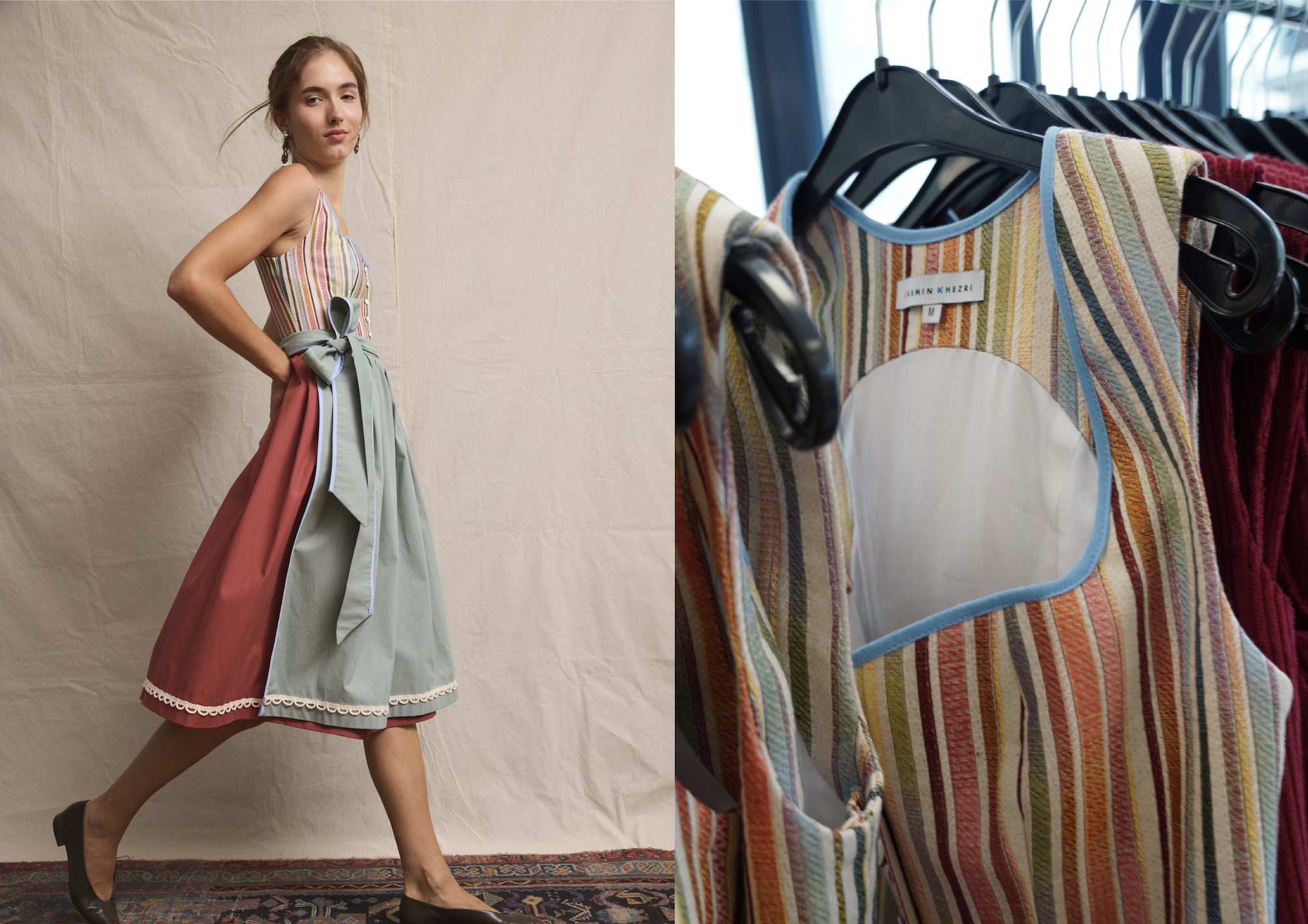
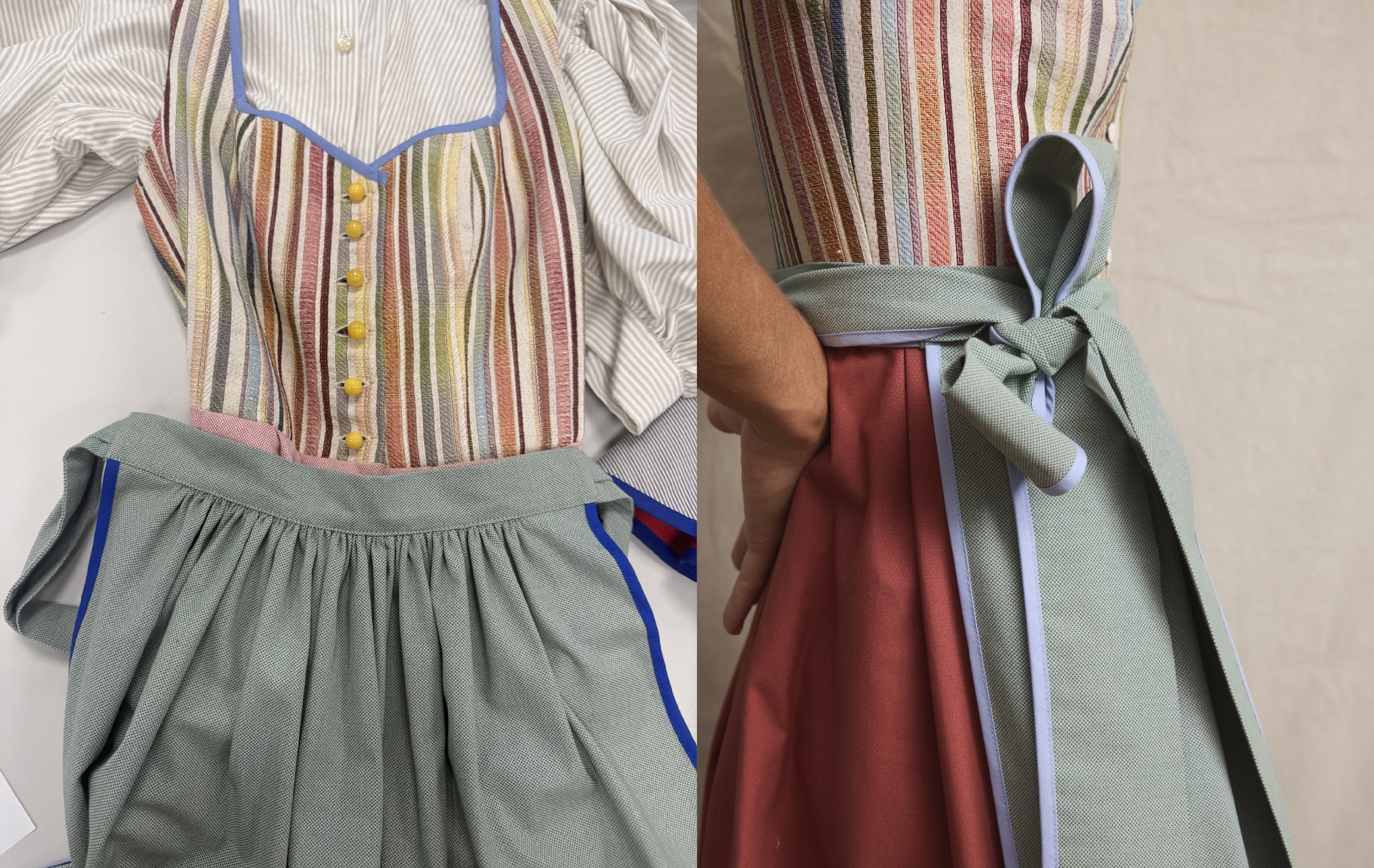
Designed exclusively for Lodenfrey, the world’s foremost house for premium Trachten fashion, this capsule takes that duality as its guiding principle. We wanted a dirndl that could leave the beer tent and walk straight into the rest of a woman’s wardrobe — worn as a day dress, layered with pieces from our prêt-à-porter collection, paired with a blouse or our short-sleeve shirt, or with nothing at all beneath the bodice. Corduroy meets tartan, striped cotton meets ricrac, sage sits against cobalt piping — the mix is deliberately imperfect, the kind of pairing a woman assembles from her own closet rather than a costume rail.
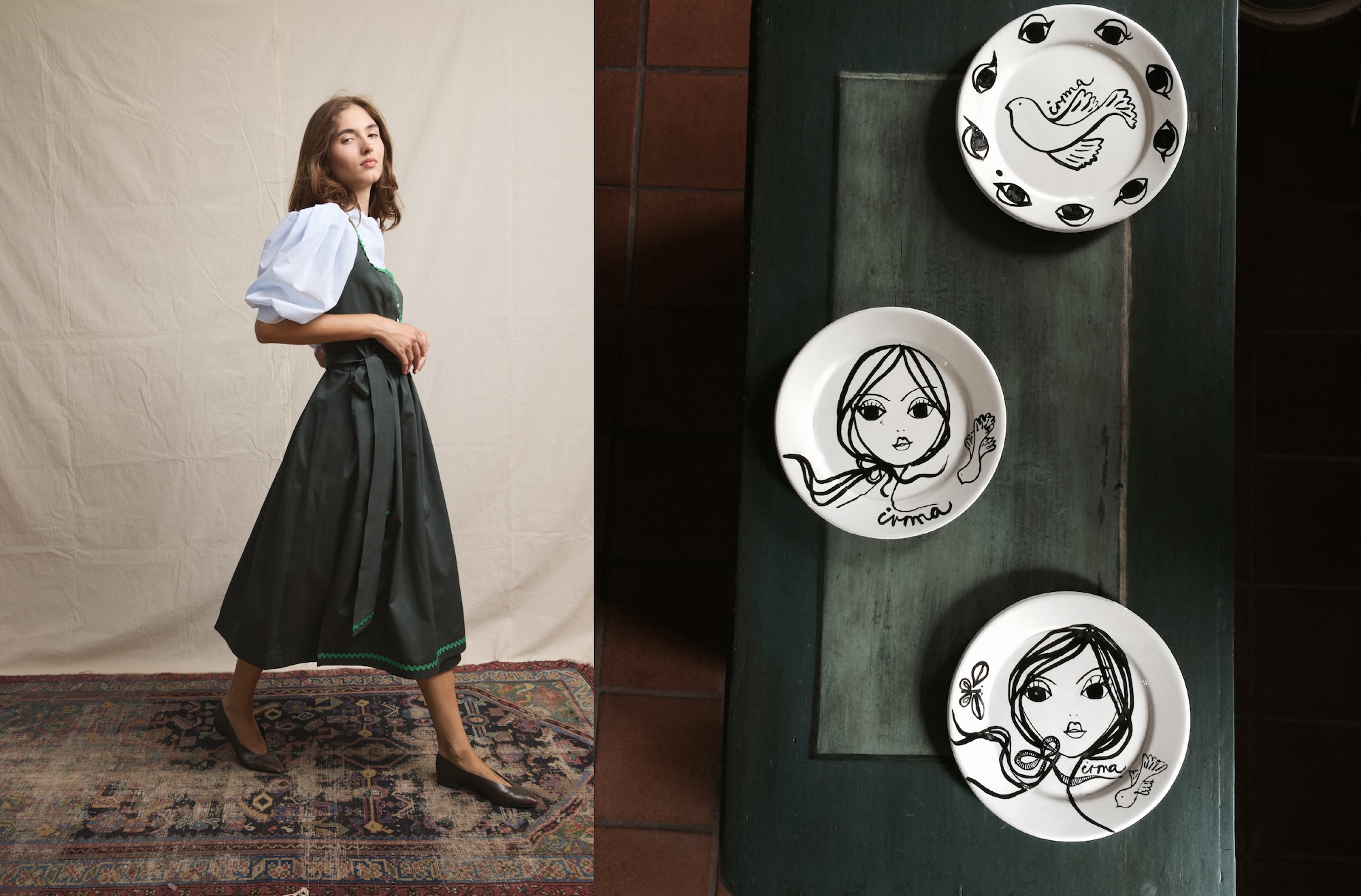
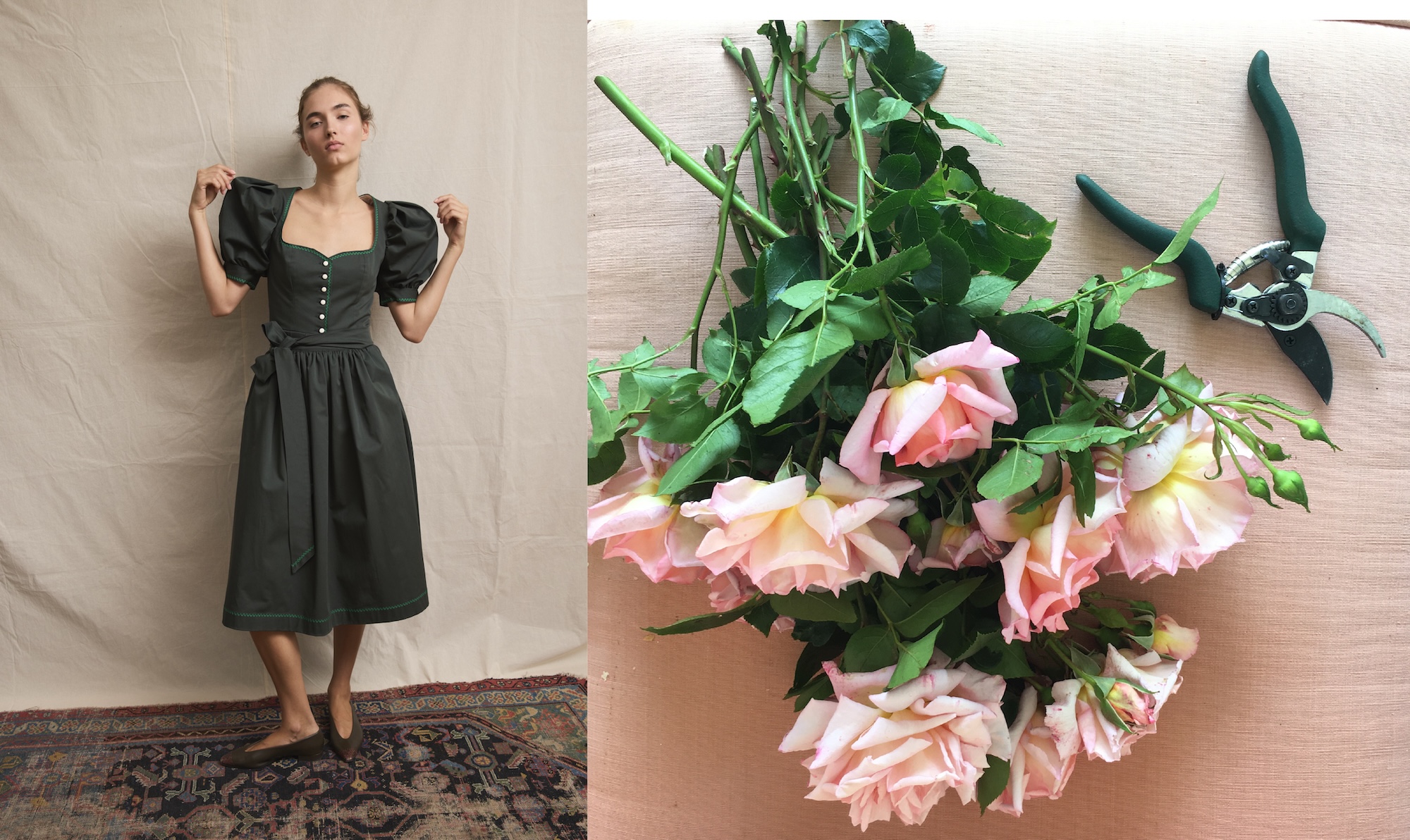
The most pointed departure is at the waist. Where the traditional dirndl reaches for its apron, we reach for a statement belt instead — the small gesture that turns a folk costume into a fashion one. Left bare, the bodice sits closer to eveningwear than heritage dress; styled with an unexpected blouse, a vintage brooch, or a wide-brimmed felt hat, it becomes entirely personal.
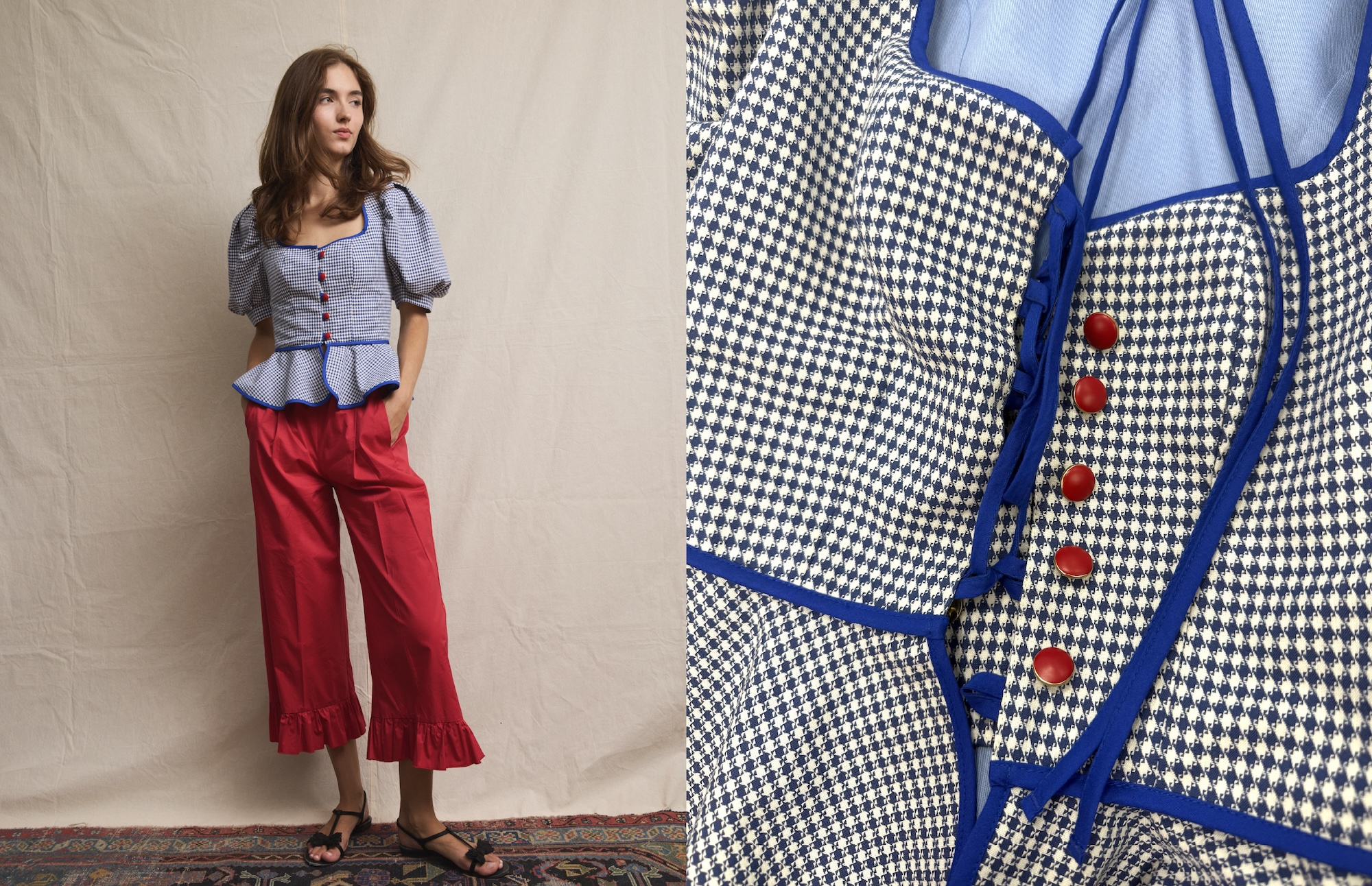
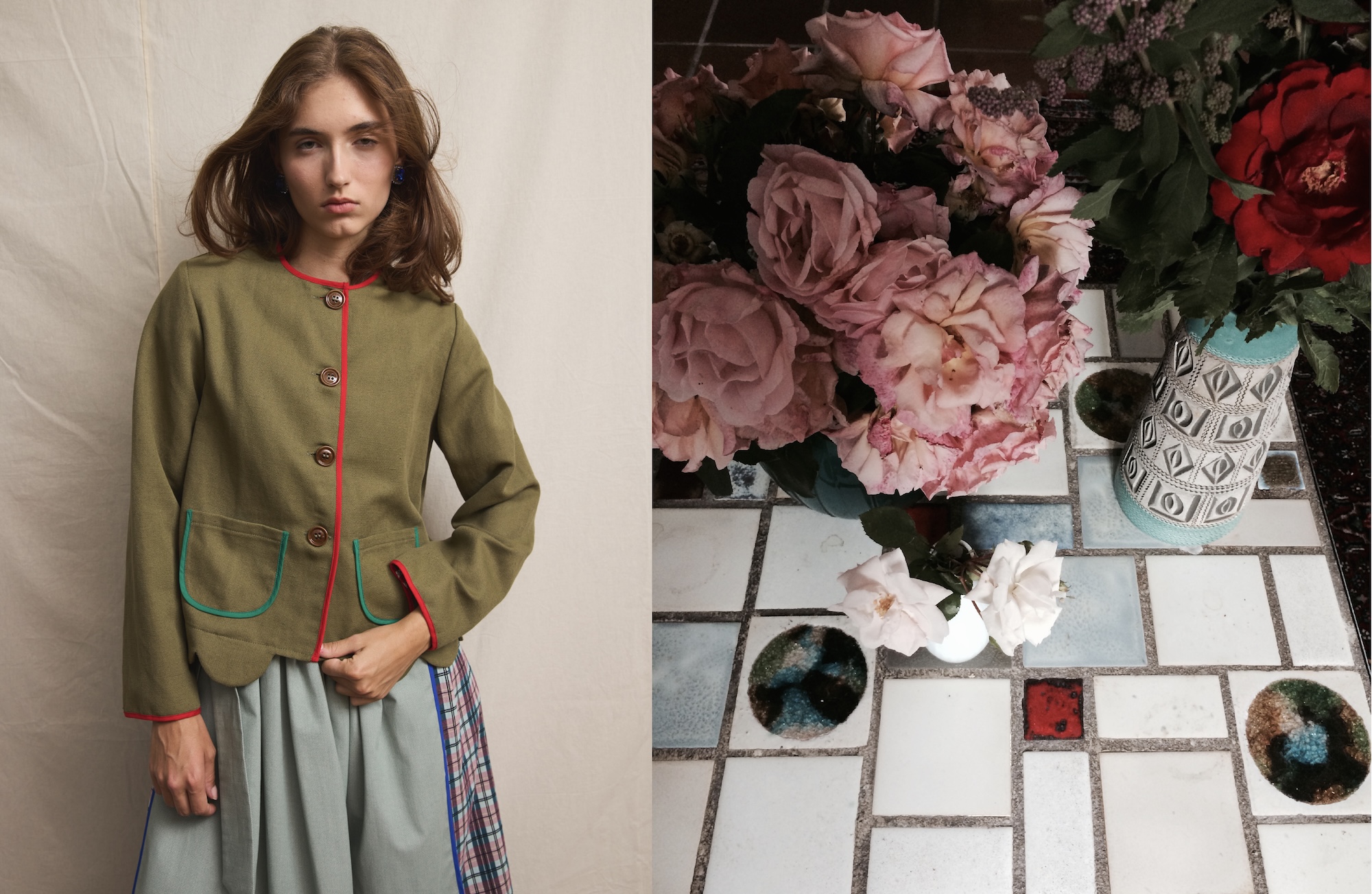
That is the intention behind the collection — not a uniform to be worn correctly, but a set of pieces to be worn as you like. Tradition, reconsidered by Jasmin Khezri Collection, exclusively for Lodenfrey in Munich.