
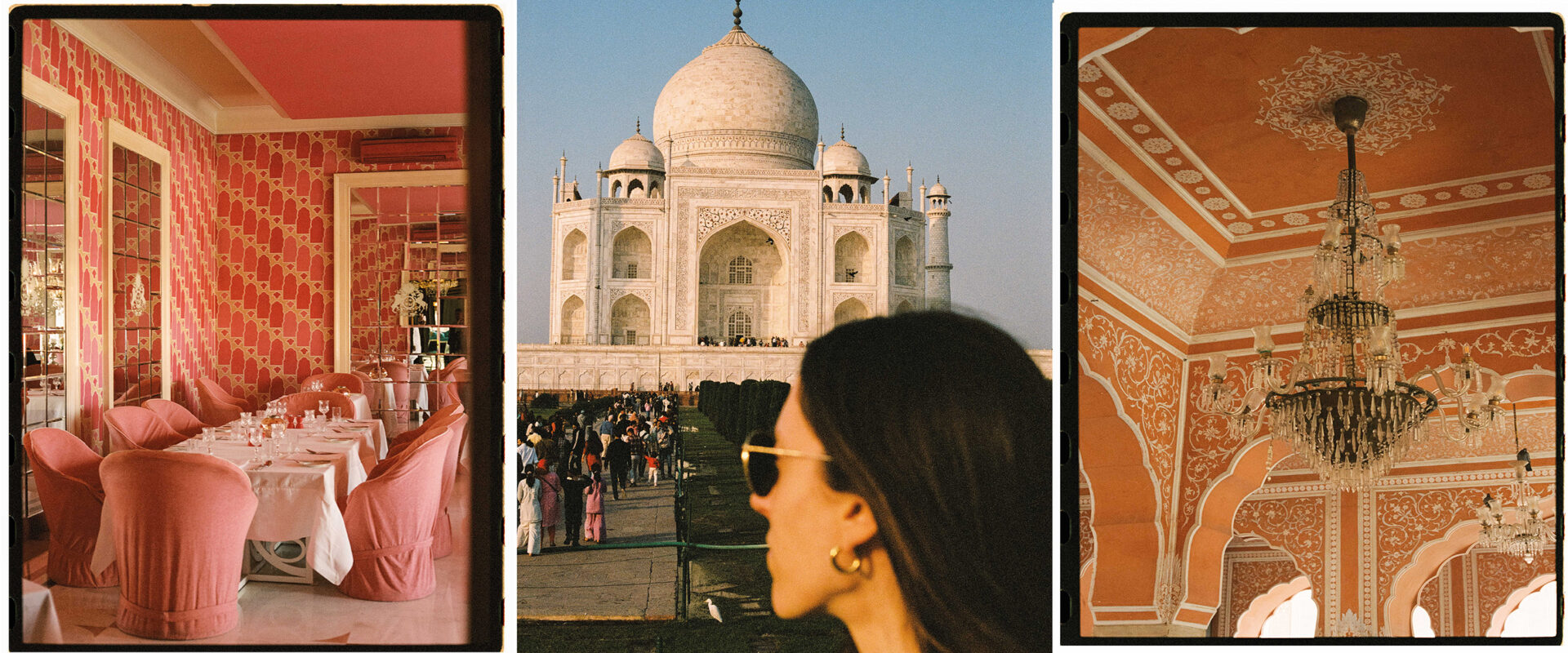
Writer and photographer Katharine Sohn has long dreamed of travelling to India, inspired by family stories, old films and beautiful images of everyday life. When she and her husband chose Rajasthan for their honeymoon, Jaipur proved the perfect starting point: a city of pink facades, layered history and a creative energy that makes now the moment to go.
India had lived in the back of my mind for years. First through the lens of Wes Anderson’s The Royal Tenenbaums, then through my mother’s encouragement after travelling there in the early 2000s, and even my in-laws’ tales of backpacking across the country by train in the 1970s. One of my favourite books, The God of Small Things, made Kerala seem like a hot, juicy, fruit-filled corner of the world, one only worth experiencing firsthand. The country always sounded like a total wonderment rather than just a destination. I didn’t begin seriously planning a trip until I met my husband. When it came to deciding where we wanted to honeymoon, India was our obvious first choice. There was something about the people, the history, the stories and the sense of hospitality that gave us our answer. So, we booked flights and flew into Delhi this past January, arranging a driver to take us from city to city through Rajasthan, tracking a neat line across countryside landscapes, rising forts and dusty desert, until we reached Jaipur. We were here for the next few days.

I first noticed the colour. A pale, dusty pink, like an English rose left too long in the sun. On an early morning jeep ride past the honeycomb lattice of Hawa Mahal and up towards Amber Fort, which rises thick gold above the city, I asked our guide why everything was pink. He smiled. In 1876, Maharaja Sawai Ram Singh II ordered the city to be painted in terracotta to welcome the visiting Prince of Wales (later King Edward VII). The colour remained, a visual shorthand for its welcoming smile. Jaipur became the Pink City, and the name stuck.
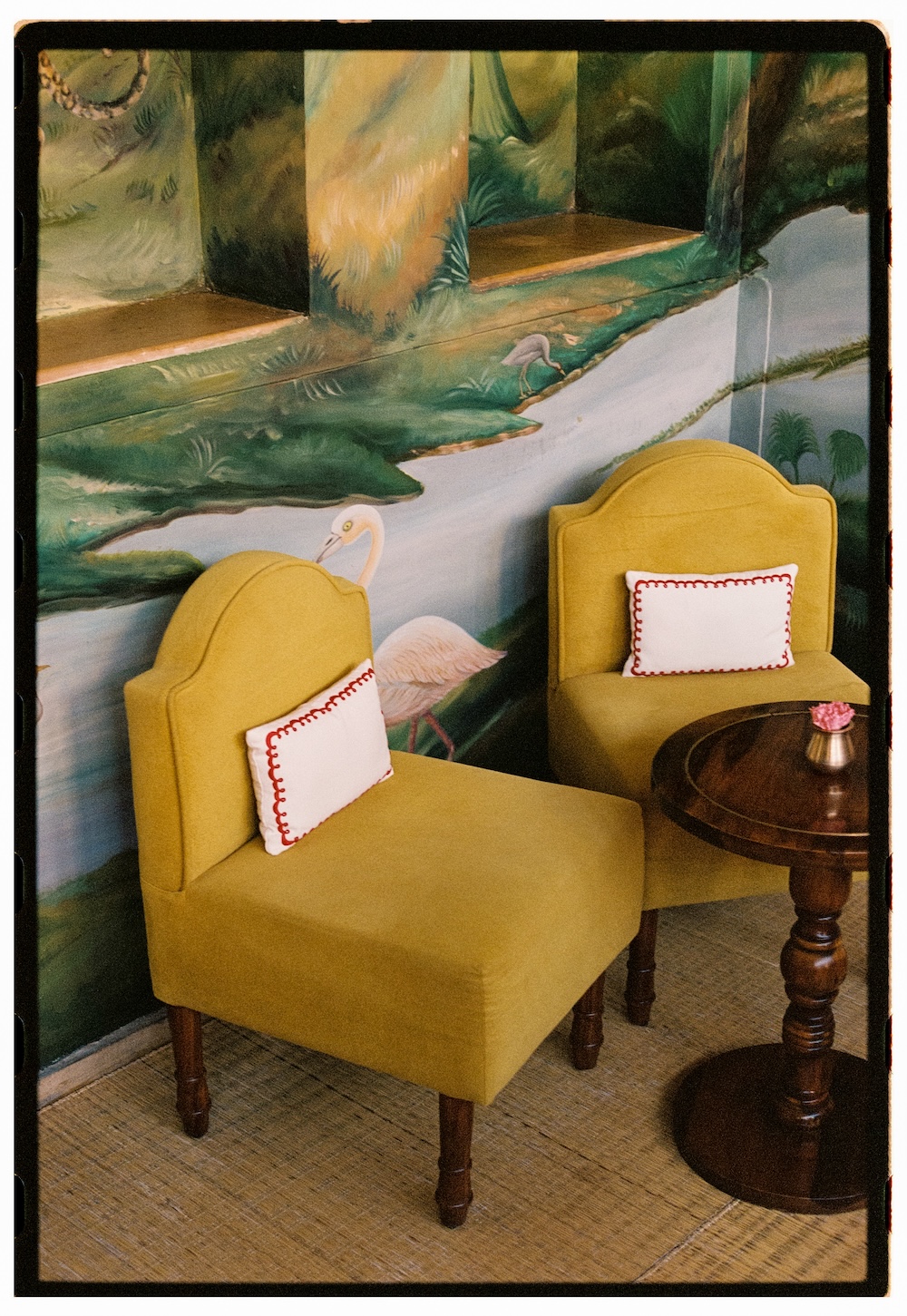
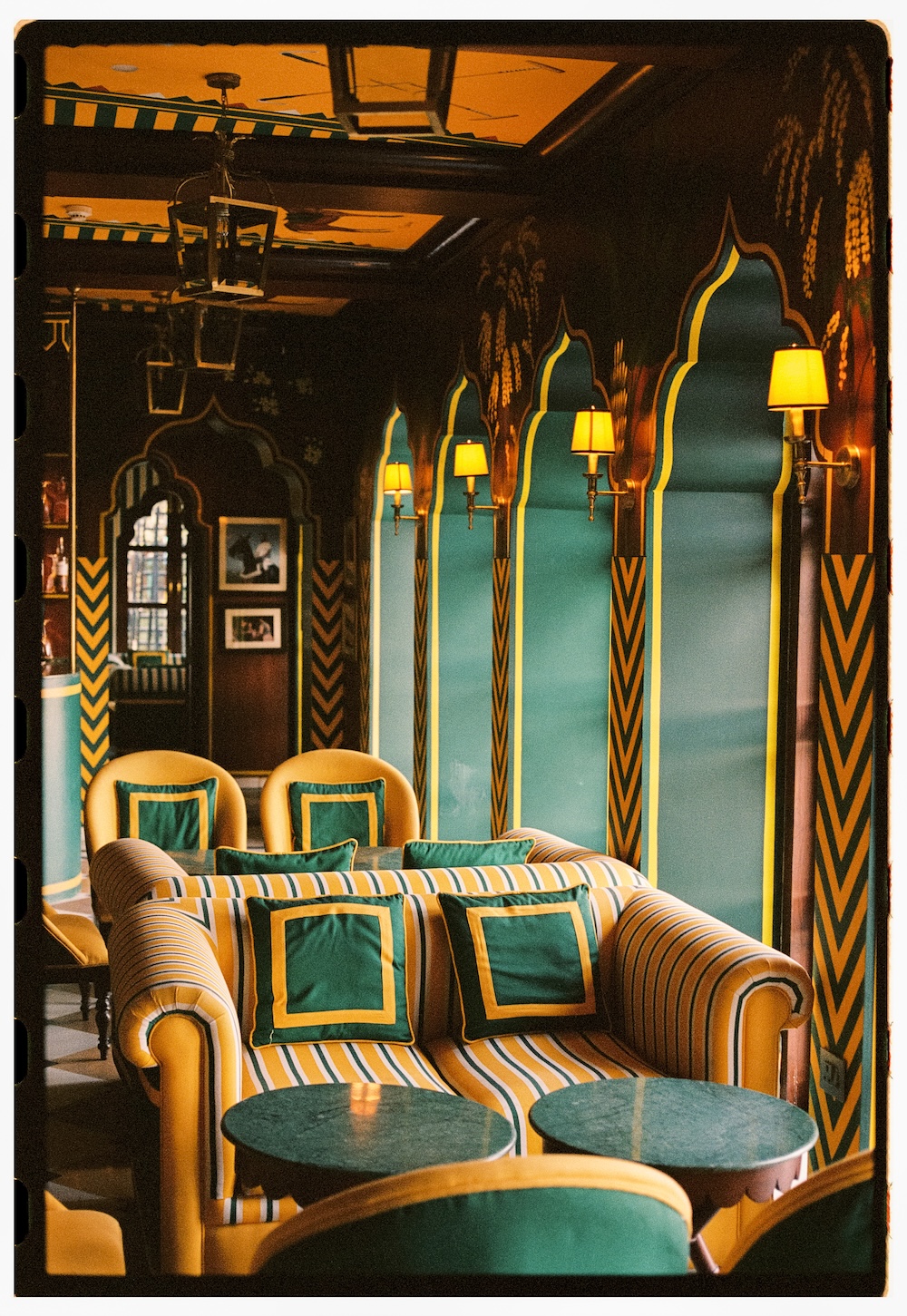
That hospitality is still totally palpable. We stayed at The Johri, a jewel-box hotel within a restored haveli in the old town. Each of its six rooms is inspired by a gemstone, a nod to Jaipur’s historic jewellery trade. Our room, Manek (Hindi for ruby), pairs candy-floss walls and red-and-white striped armchairs, flower motifs and copper detailing into a quiet, curated counterpoint to the buzz of the bazaar outside.
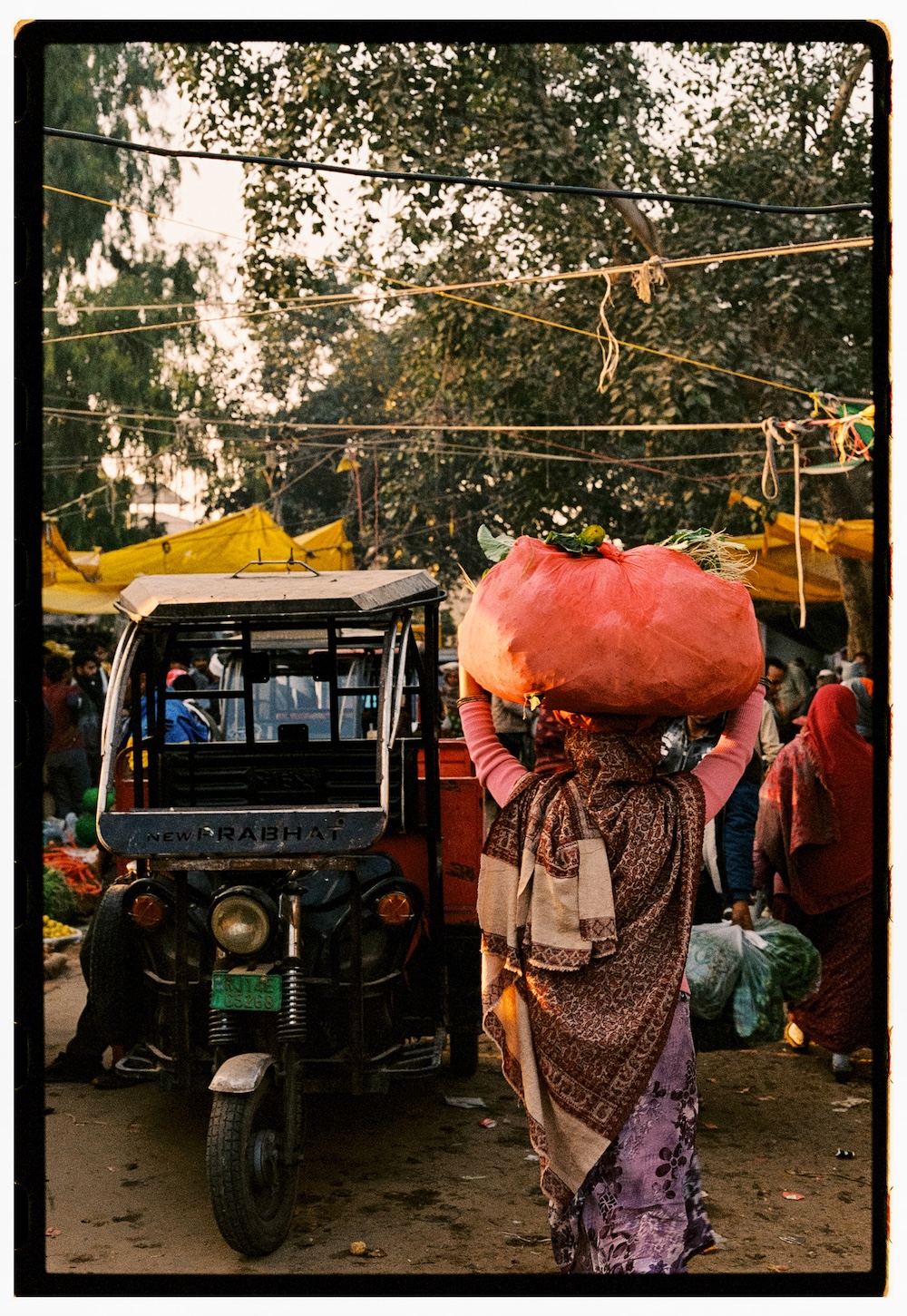
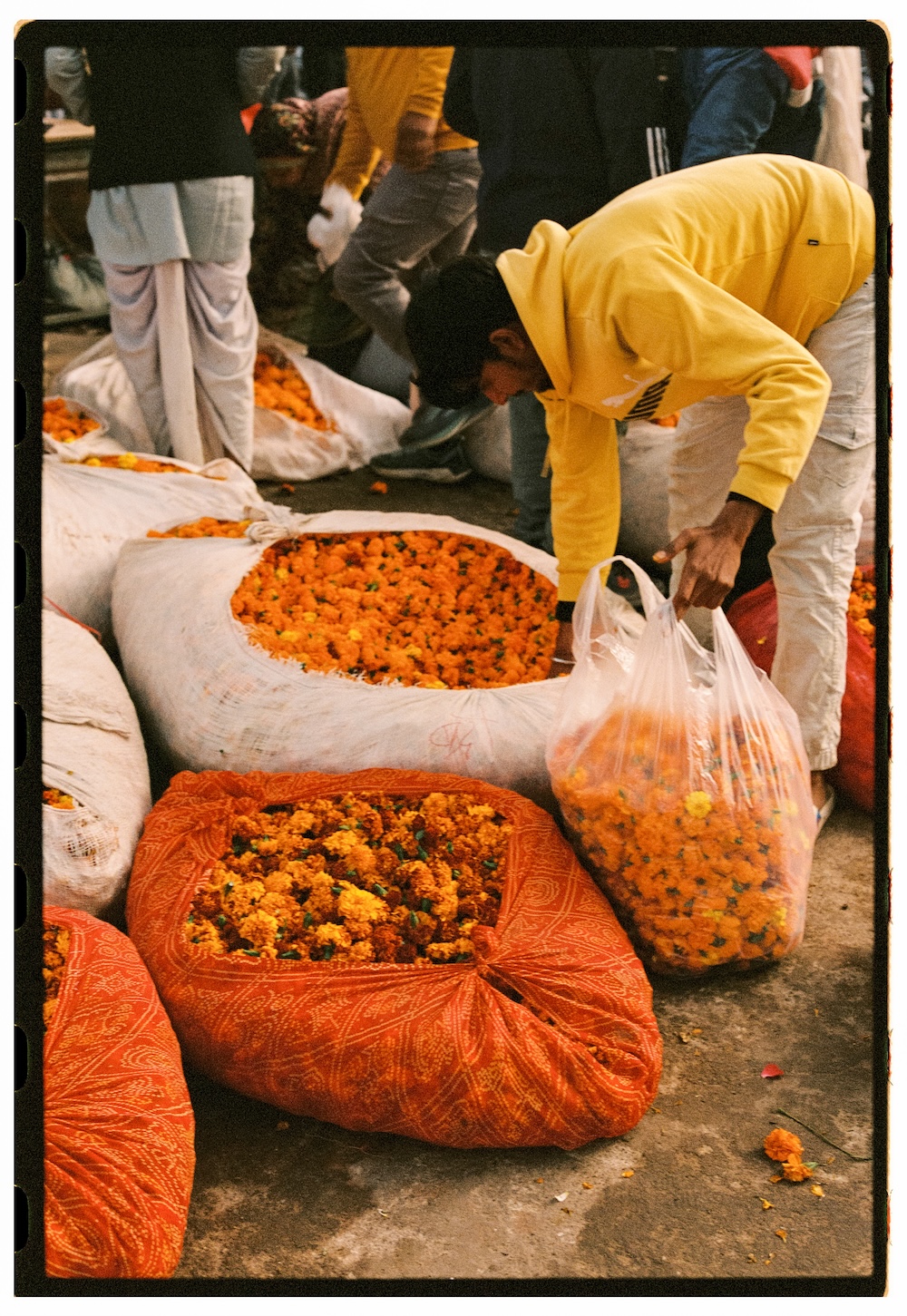
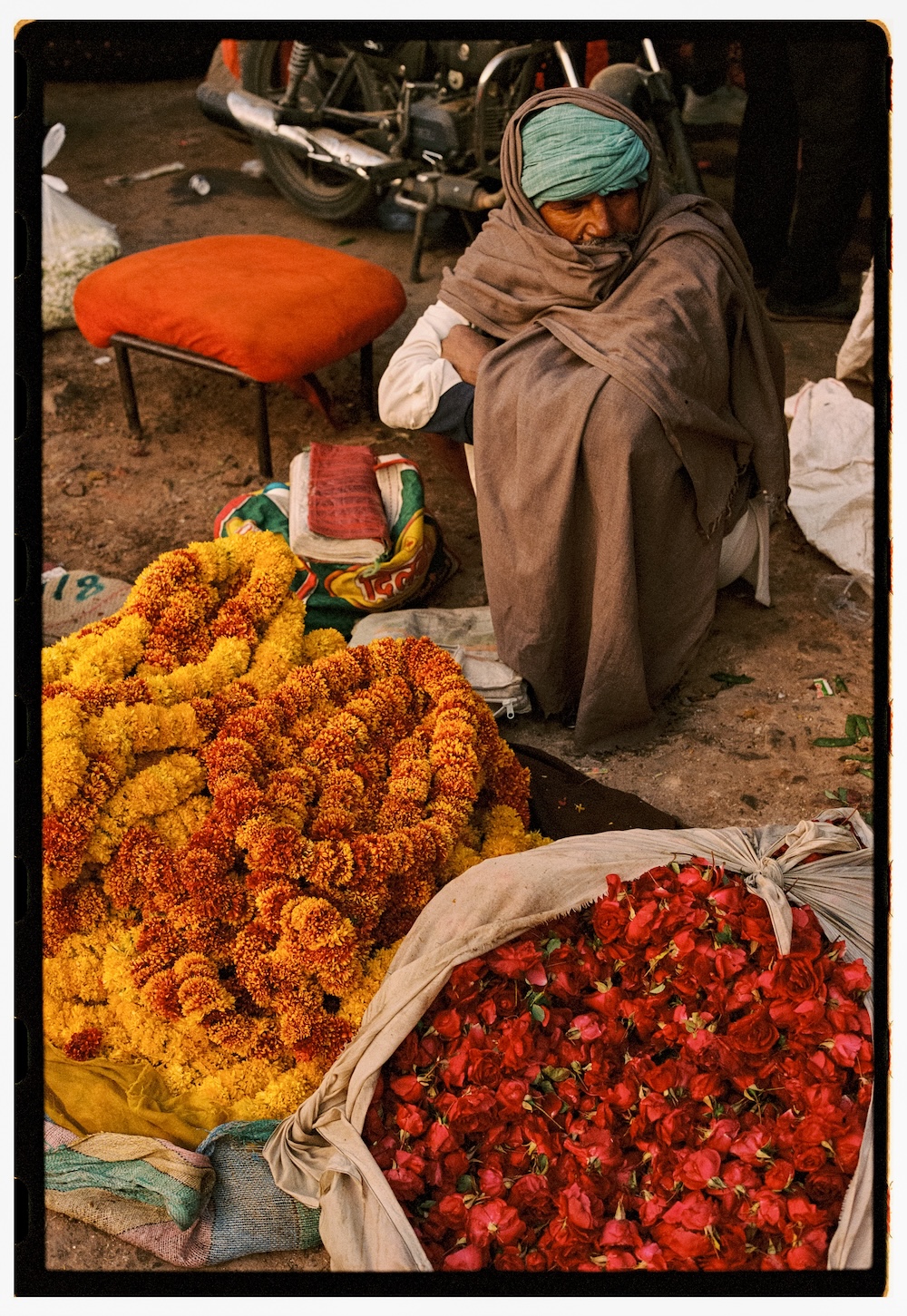
We learnt fast that Jaipur rises early. At 6am the next morning we wandered to the Phool Mandi flower market, where marigolds in shades of burnt saffron and deep orange are sold, stuffed into fabric bags and scooted off to be used for daily prayers in temples. Traders tossed armfuls between them with practised ease; chai wallahs poured hot, milky tea into tiny cups; offerings were threaded together by wrinkled hands. It’s chaotic and so thoughtfully choreographed. By 8am, the streets are filled with a cooling temperature, one reason winter is the ideal time for travelling.
There is more to Jaipur than its colour. The city has become a quiet magnet for design lovers and craft makers. Block printing workshops still live large, where centuries-old techniques are used to stamp pretty patterns onto cotton by hand. Textile studios and ceramic ateliers sit alongside new concept stores. The Palace Atelier, hidden within the City Palace courtyard, and one of my favourite shop discoveries, showcases contemporary Indian designers in rooms that once hosted royalty.
Then, of course, there is the jewellery. The Gem Palace remains iconic: still family-run, still lined with fabric-covered walls surrounding cases of uncut emeralds, diamonds and enamelled treasures. For the merely curious, it offers a glimpse into the craftsmanship that helped define the city.
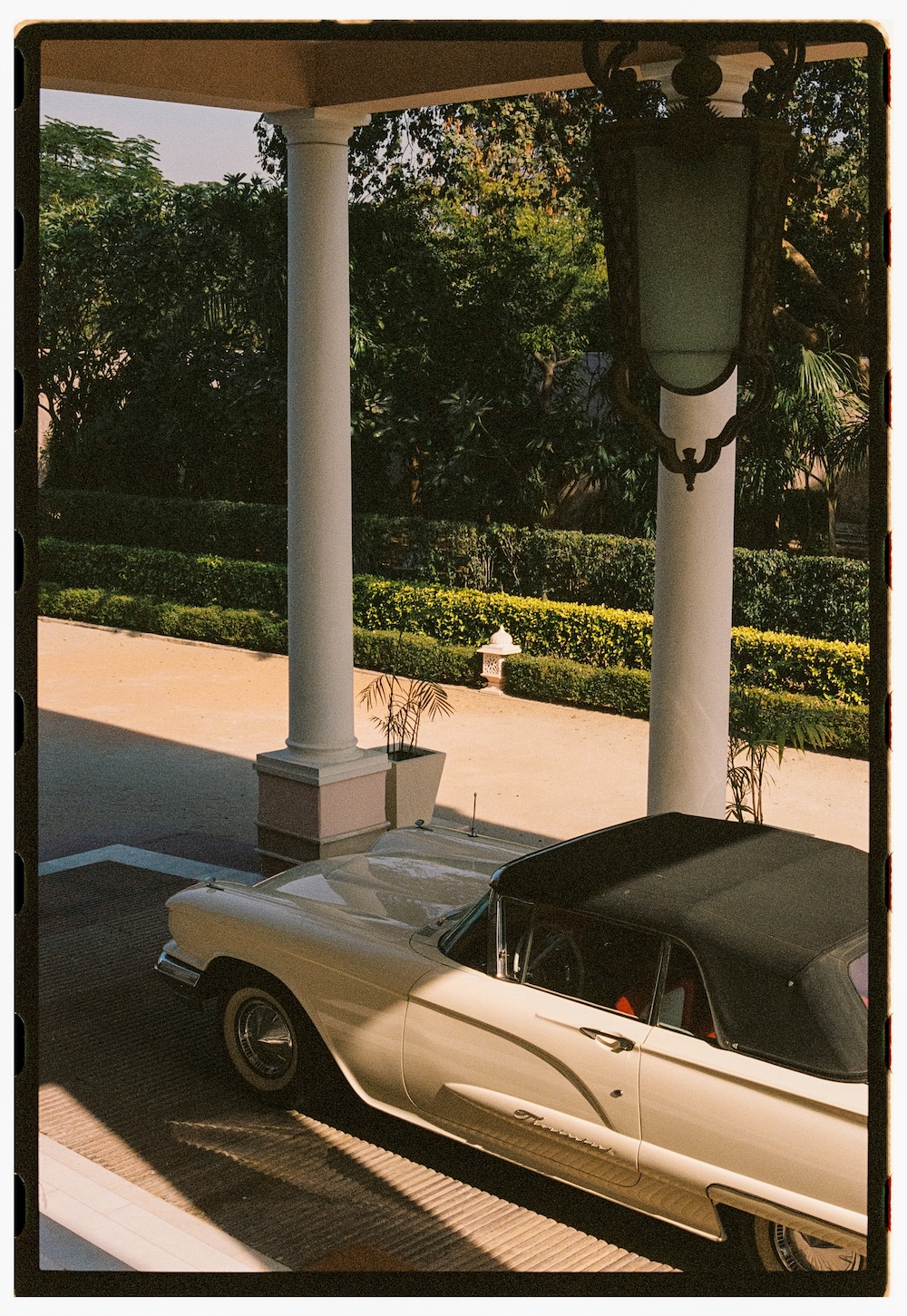
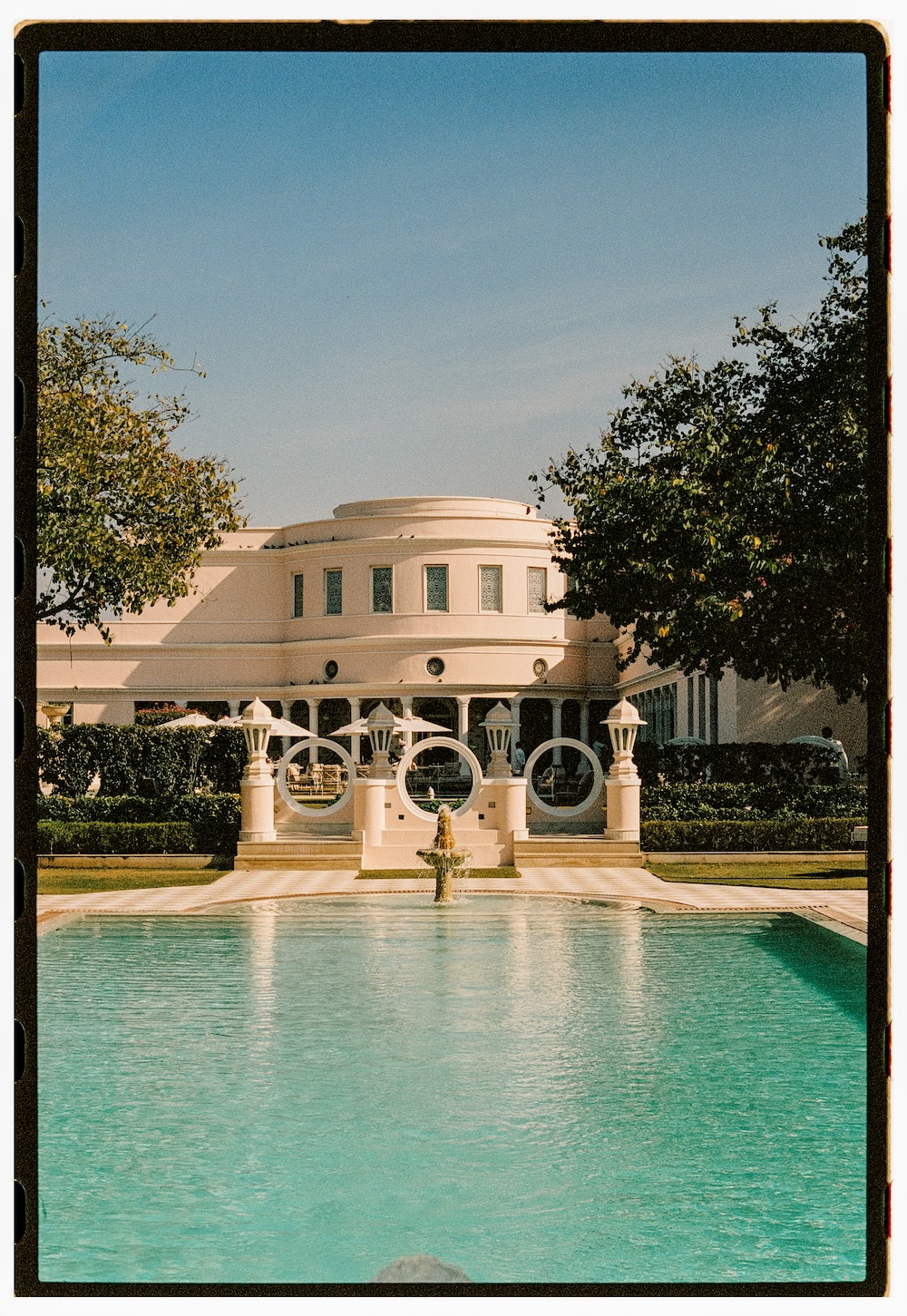
Our afternoons easily slipped into G&Ts at the Rajmahal Palace and Rambagh Palace, both stalwarts of gracious, friendly service, before evenings back at The Johri for deliciously spiced vegetarian plates served next to hand-painted walls. It was easy for us to say our three days could stretch into five.
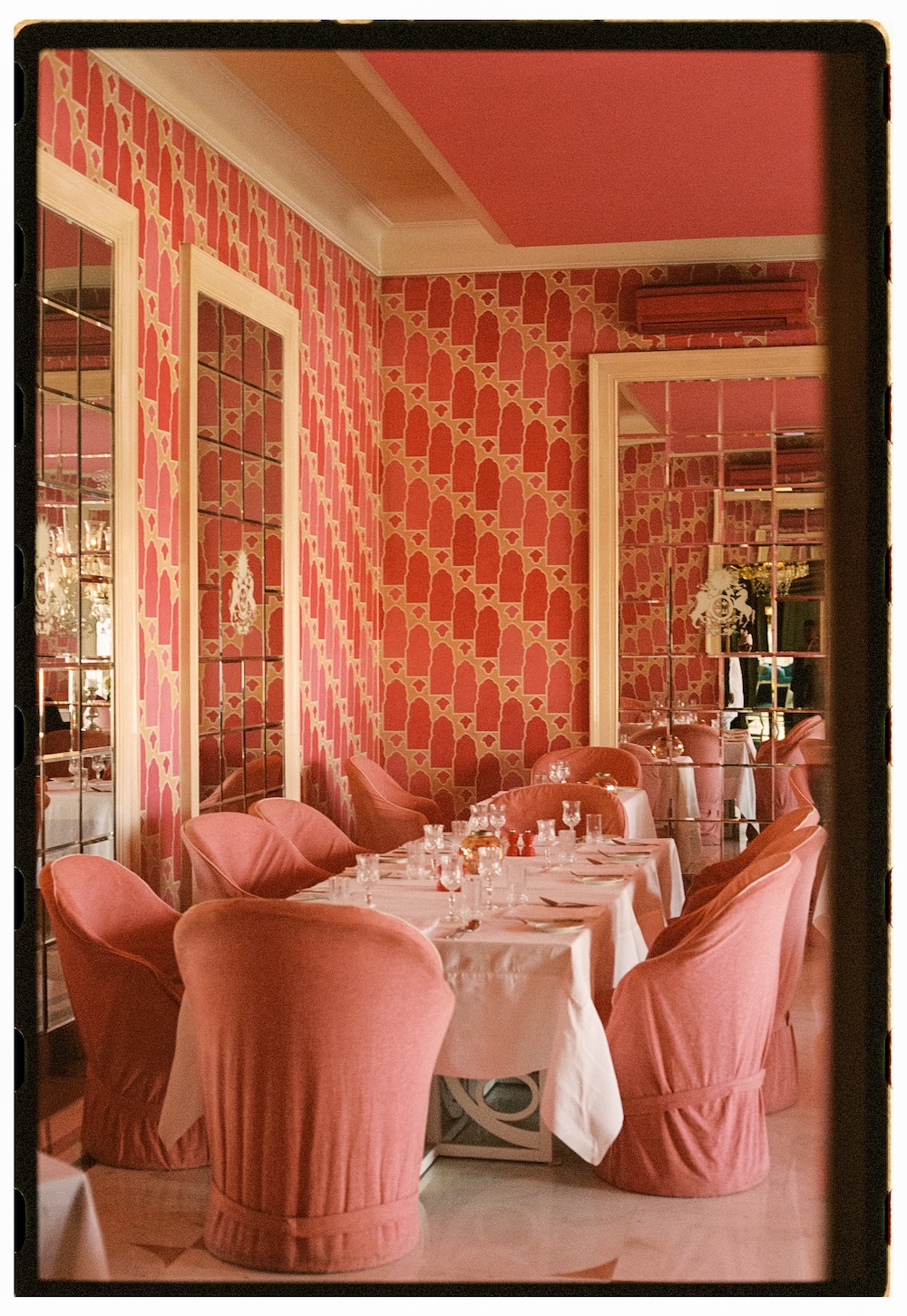
Right now, the city feels confident and creatively alive. Rajasthan’s infrastructure makes independent travel smoother than ever: hiring a car for getting around between cities removes the stress of buses or busy trains. Jaipur, in particular, strikes that wonderful, rare balance: deeply historic yet forward-looking, intensely local yet welcoming to outsiders. It feels open. For us, it was the perfect introduction to a country we had long romanticised. Jaipur delivered on the colour and beauty I’d imagined, but it also offered friendliness, excitement, and an appreciation for craft.
TRAVEL NOTES
– The best time to visit is between November and January.
– The Phool Mandi flower market is best seen at 7am.
– Auto rickshaws are one of the best ways to get around the city.
– Book the Royal Tour at the City Palace for a quiet, personal experience.
– Jaipur is known for its gems, block printing and textiles.
“It’s a sense of storytelling, its past and present stitched neatly together.”
Katharine Sohn