
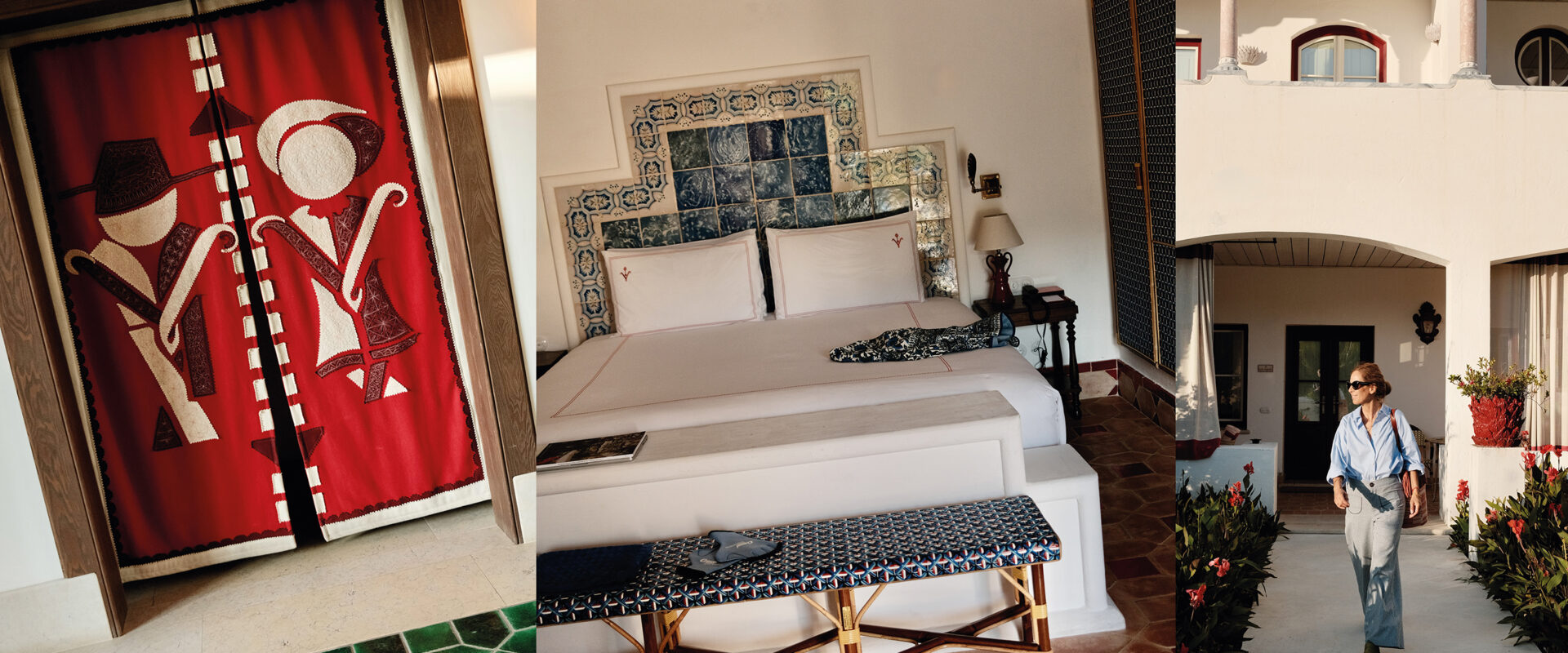
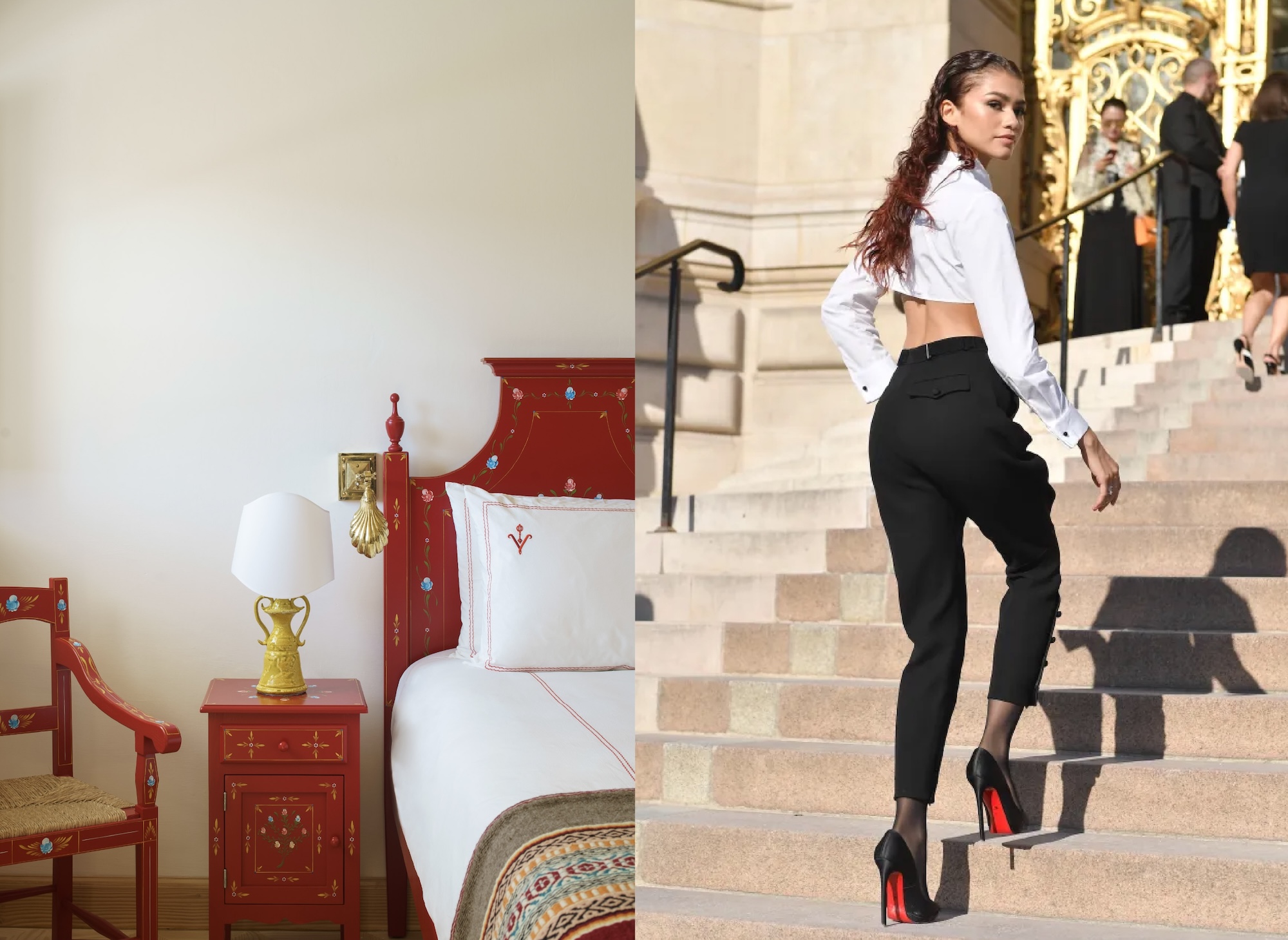
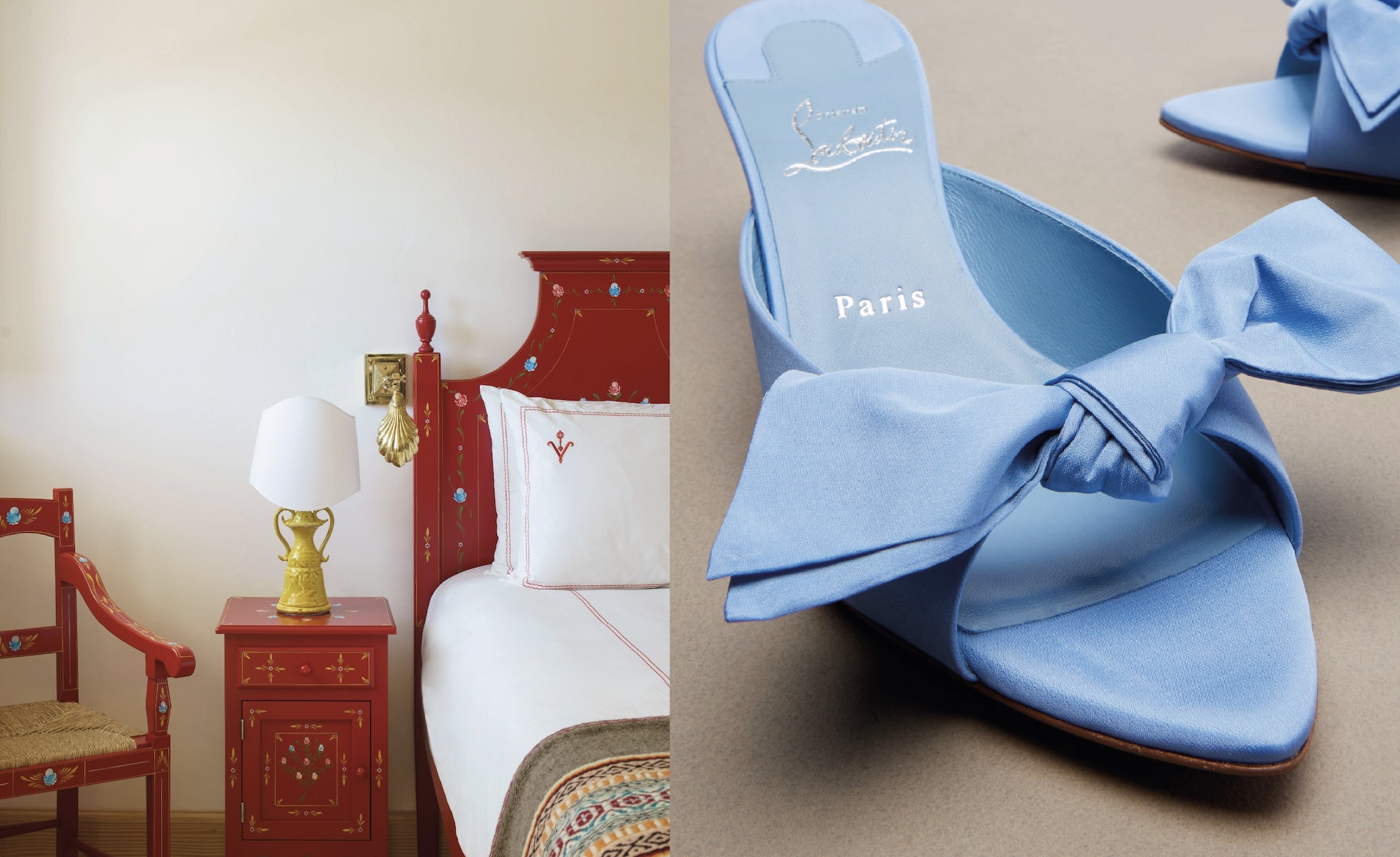
In the small Alentejo village of Melides, behind a heavy wooden door that gives nothing away, sits a hotel that could only belong to one man. Vermelho, Portuguese for red, is Christian Louboutin‘s first venture into hospitality, and it is, unsurprisingly, an ode to the very colour that made him famous. The red lacquered sole that has defined his shoes for over three decades has found a canvas here, that I had visited before right at the opening in 2023.
Floors, doorframes, shutters, garden blooms and antique tiles, all rendered in the same deep, unmistakable crimson.
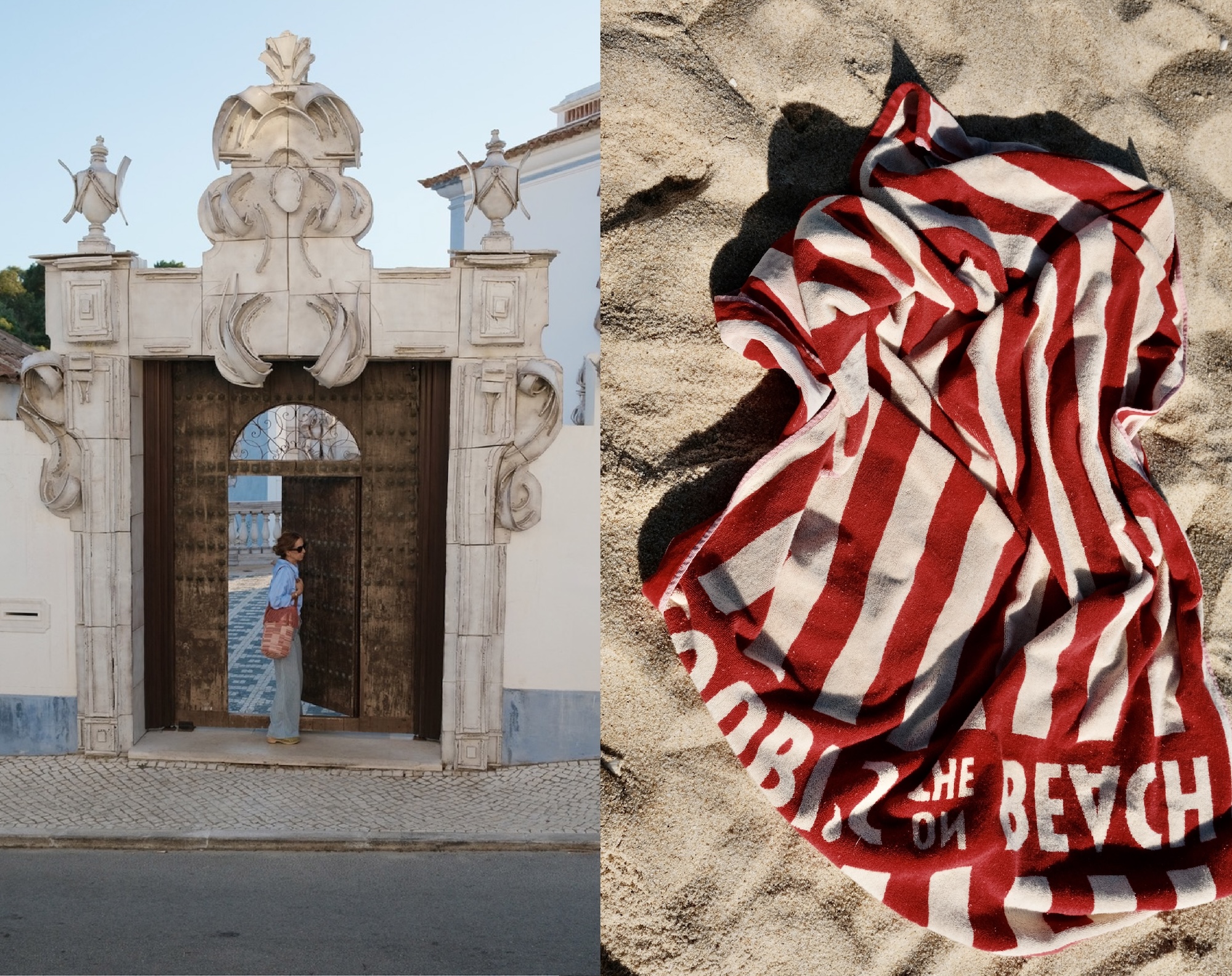
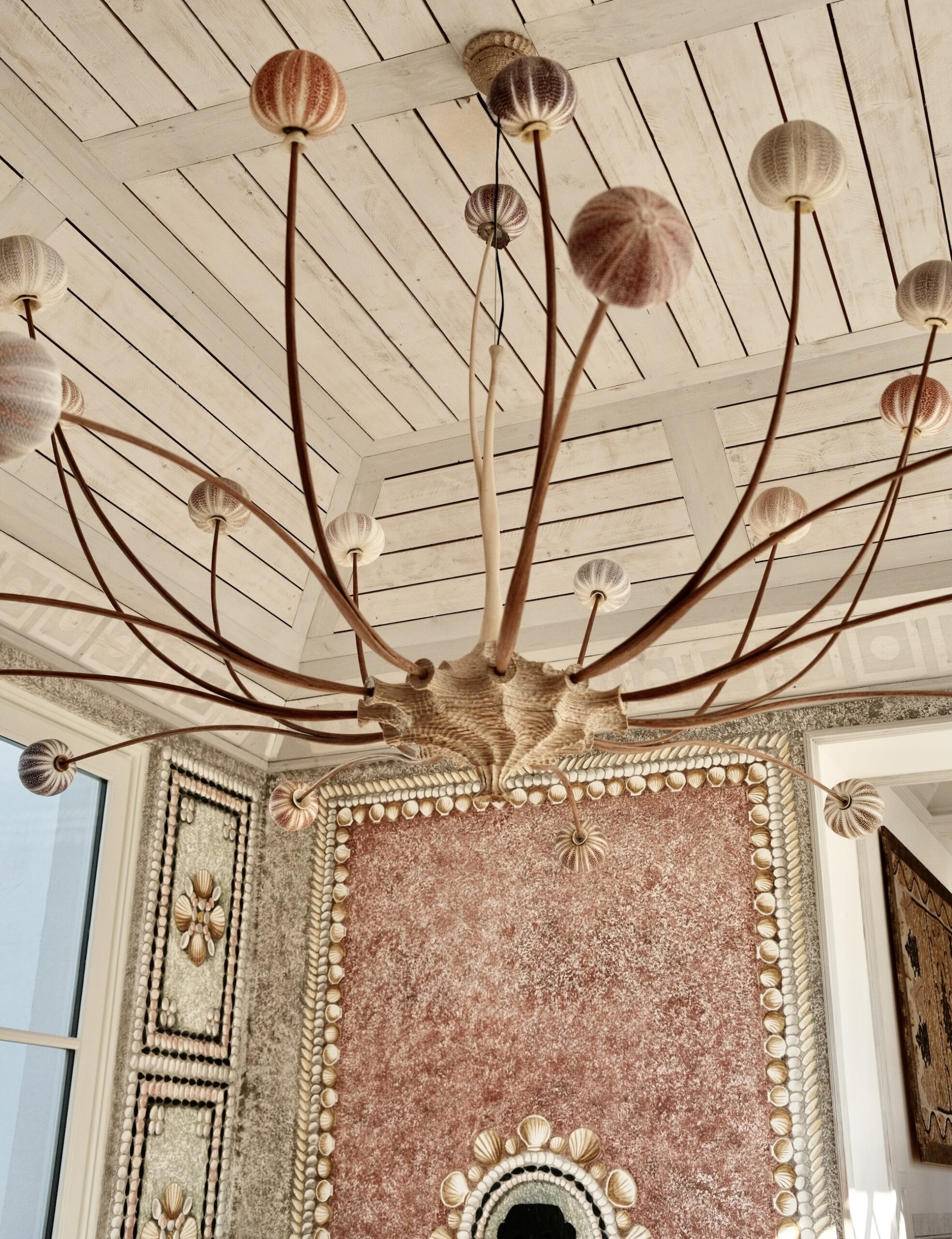
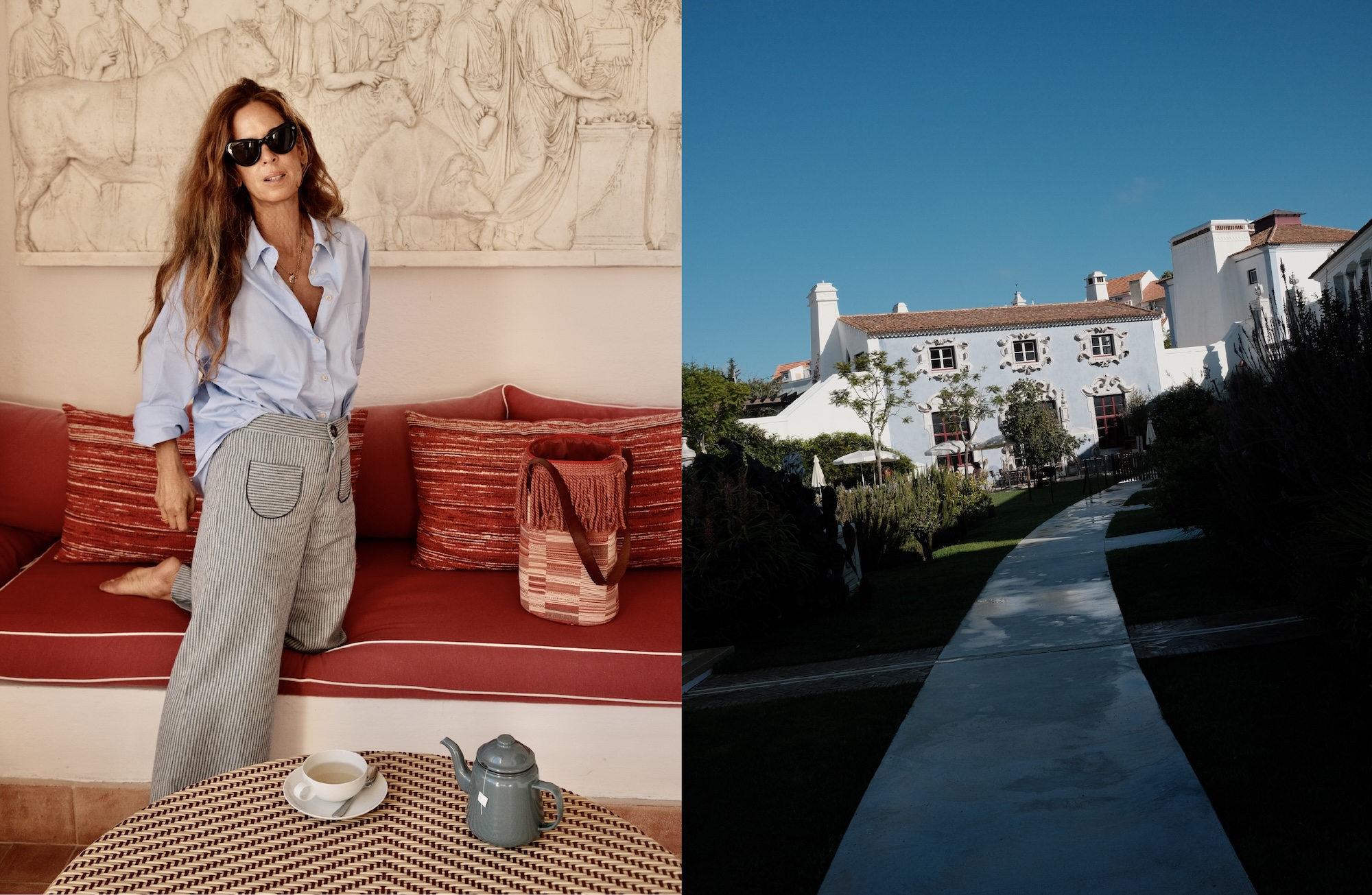
With just thirteen rooms, Vermelho is less a hotel than a private house that happens to take guests. Louboutin worked with architect Madalena Caiado and his longtime friend, textile expert Carolina Irving, to shape a building that from the street looks like any other whitewashed Alentejo home. Inside, the mood shifts entirely into something closer to a cabinet of curiosities, filled with the antiques, ceramics and objects Louboutin has collected over a lifetime of travel.
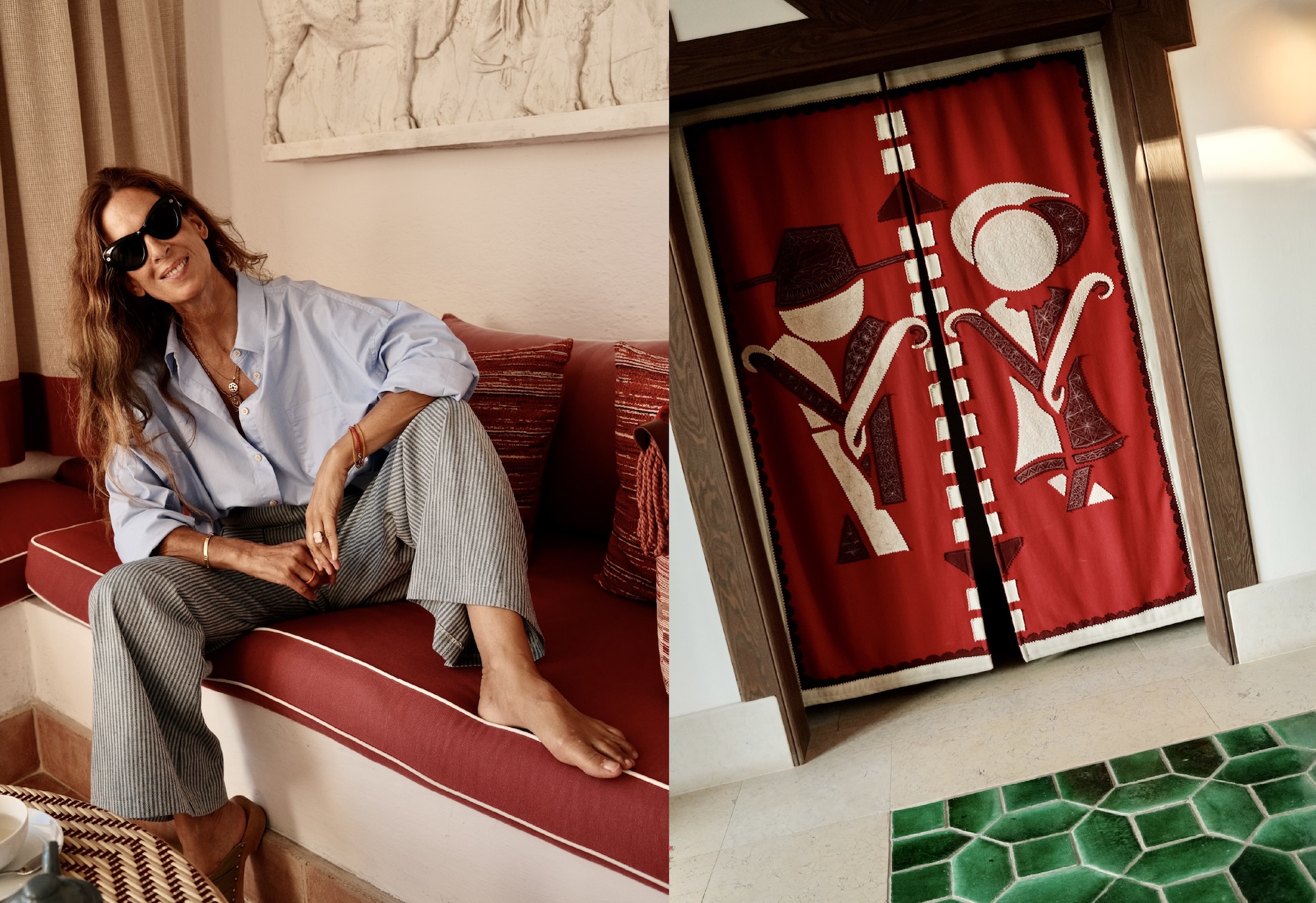
Red as a language
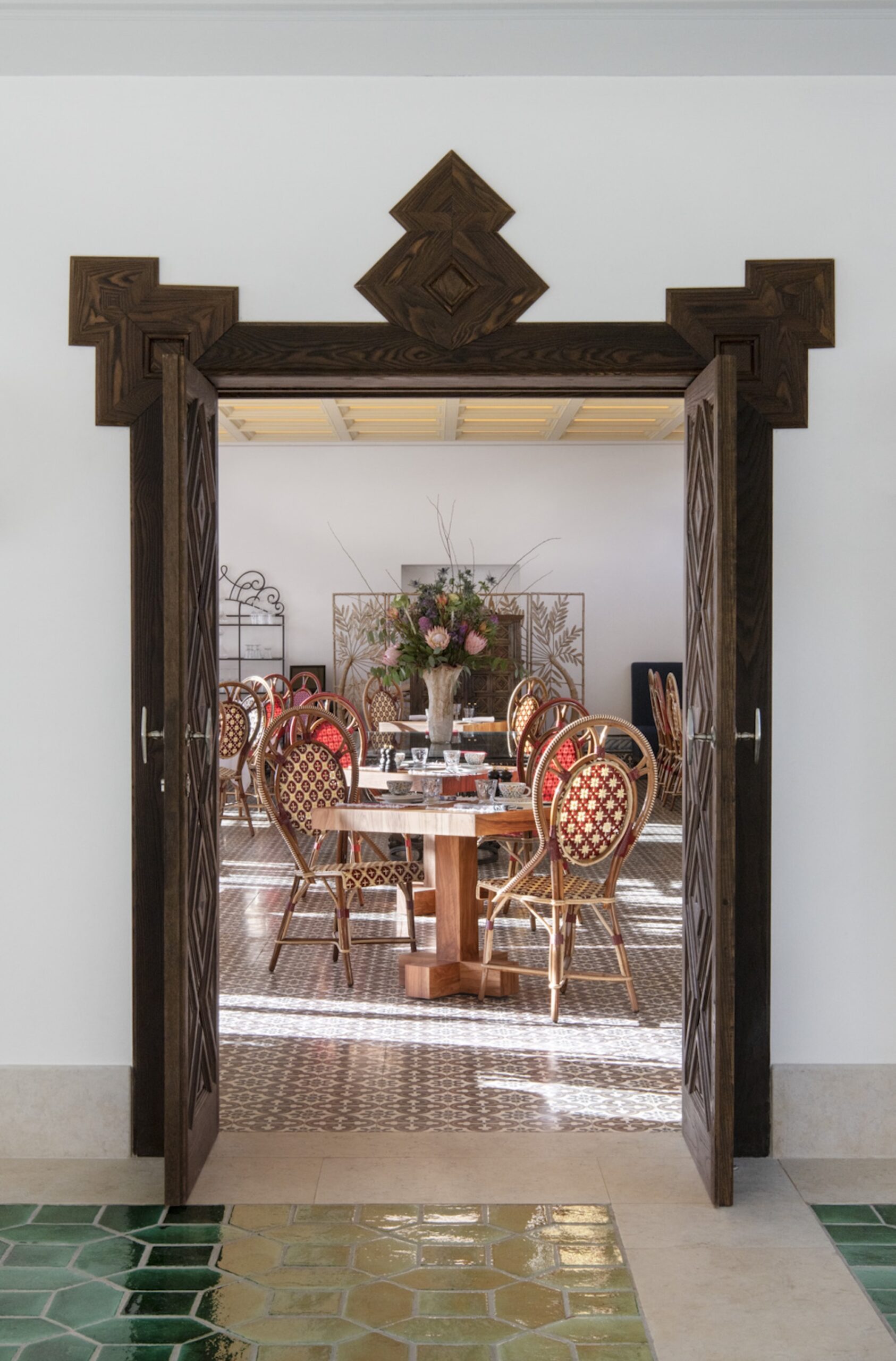
The colour is never an accent here, it is the entire vocabulary of the place. Around 7,000 hand painted floor tiles were produced by artisans at the Fábrica de Azulejos de Azeitão, using techniques that have shaped Portuguese craftsmanship for centuries, their deep pigmented red setting the tone the moment guests step through the door. Door and window frames repeat the same shade against the whitewashed facade, a quiet nod visible from the village square long before anyone sees the interior. Even the furniture continues the story, with dark red tables scattered through the courtyard and terraces.
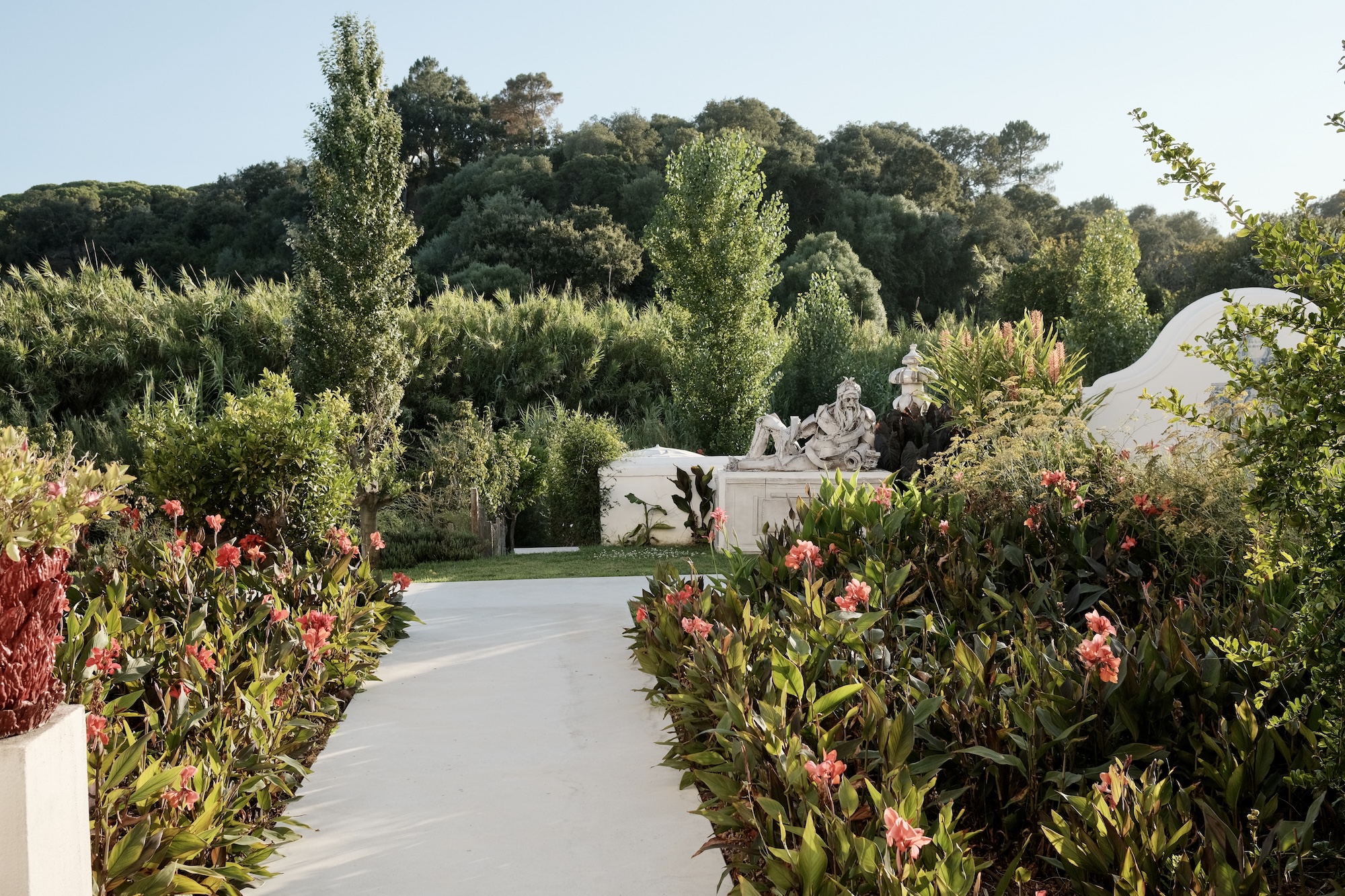
It is a theme that carries outdoors too. The garden, designed by the celebrated French landscape architect Louis Benech, blends naturally into the surrounding Melides landscape, yet its planting scheme returns again and again to red flowers among the greenery, echoing the tiles and door frames within. A fountain, a heated pool and a small vegetable patch complete what feels less like a hotel garden and more like a private sanctuary, one that guests are simply lucky enough to share.
Craftsmanship and art at every turn
What sets Vermelho apart from a purely decorative exercise is the sheer depth of craftsmanship behind it. Blown glass chandeliers by India’s Klove Studio bring theatrical scale to the reception hall, their green and gold glasswork a deliberate contrast to the red that surrounds them. Italian sculptor Giuseppe Ducrot contributed ornate, rococo style ceramic window surrounds throughout the property, while Greek artist Konstantin Kakanias painted the frescoes found in several suites, including the Matinha Suite with its Egyptian tomb inspired coffered ceiling.
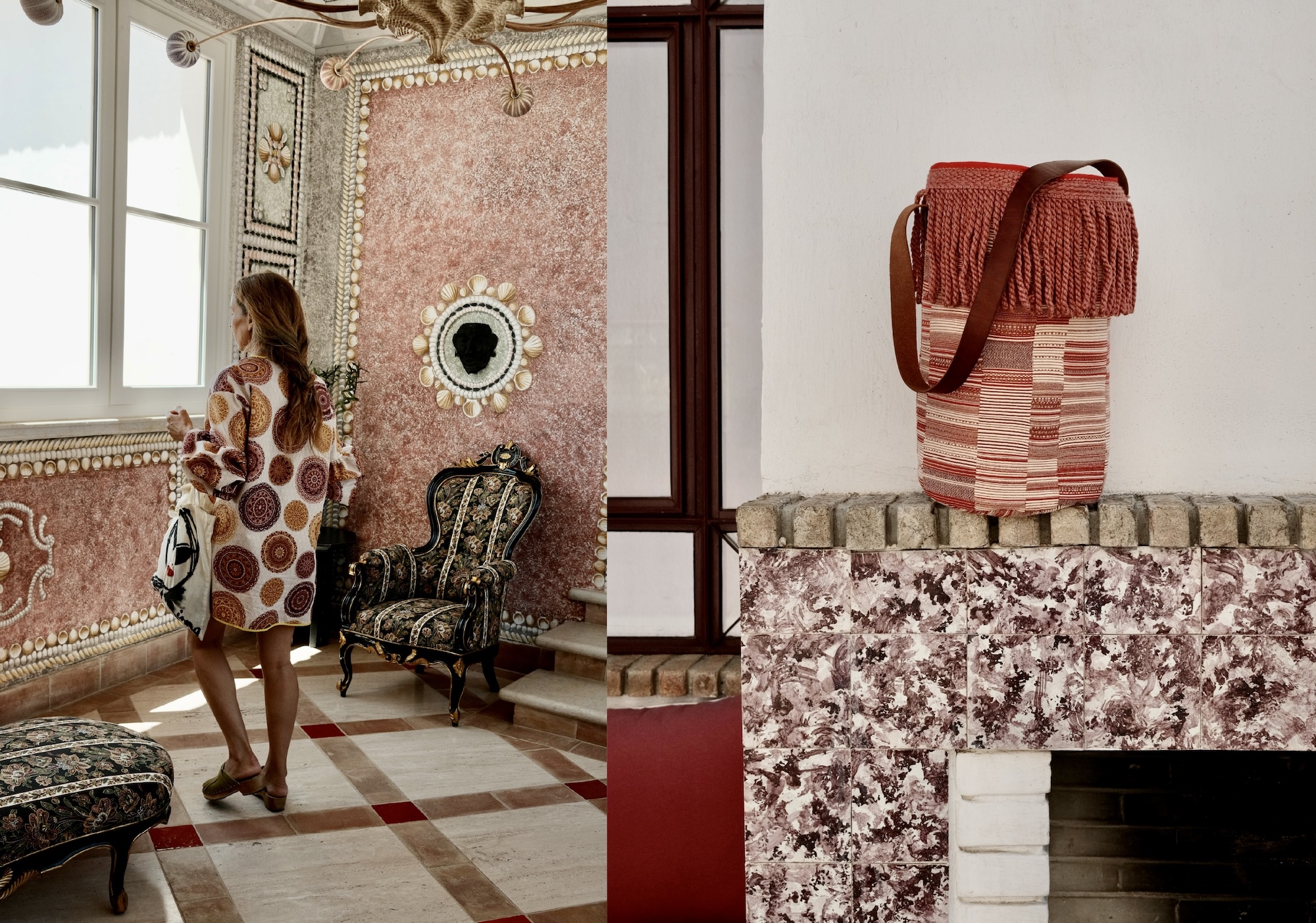
Every room is different, furnished in part from Louboutin’s own storage of antiques and objects gathered over decades. The restaurant, Xtian, named half jokingly after its owner, is hung with vintage Bollywood posters and serves Alentejo classics built around ingredients sourced from small family run producers nearby. Nothing in the hotel feels mass produced or replicated from a brand playbook, every surface carries the fingerprint of an individual maker.
A deep bond with Melides
In 2020, Louboutin founded the Intertidal Melides association, working alongside local farmers and landowners to protect the biodiversity of the Melides lagoon, a project that extends well beyond the hotel walls and into the wider landscape the village depends on. The hotel’s flowers, ceramics and tableware are sourced from small shops in the village itself, several of which now stock pieces that guests recognise from their rooms. It is a relationship that runs both ways, the hotel borrows the character of Melides, and in turn has helped bring quiet, considered attention to a place that spent decades under the radar.
What comes next: Vermelho Lagoa
A second property, Vermelho Lagoa, is due to open in spring 2027, again designed with architect Madalena Caiado. Set on a site that overlooks the Melides lagoon and revives a building left empty for forty years, the new hotel will have around ten rooms, an infinity pool with sea views, a small spa and a modest dining space for guests, who will otherwise share Xtian with visitors staying at the original Vermelho.
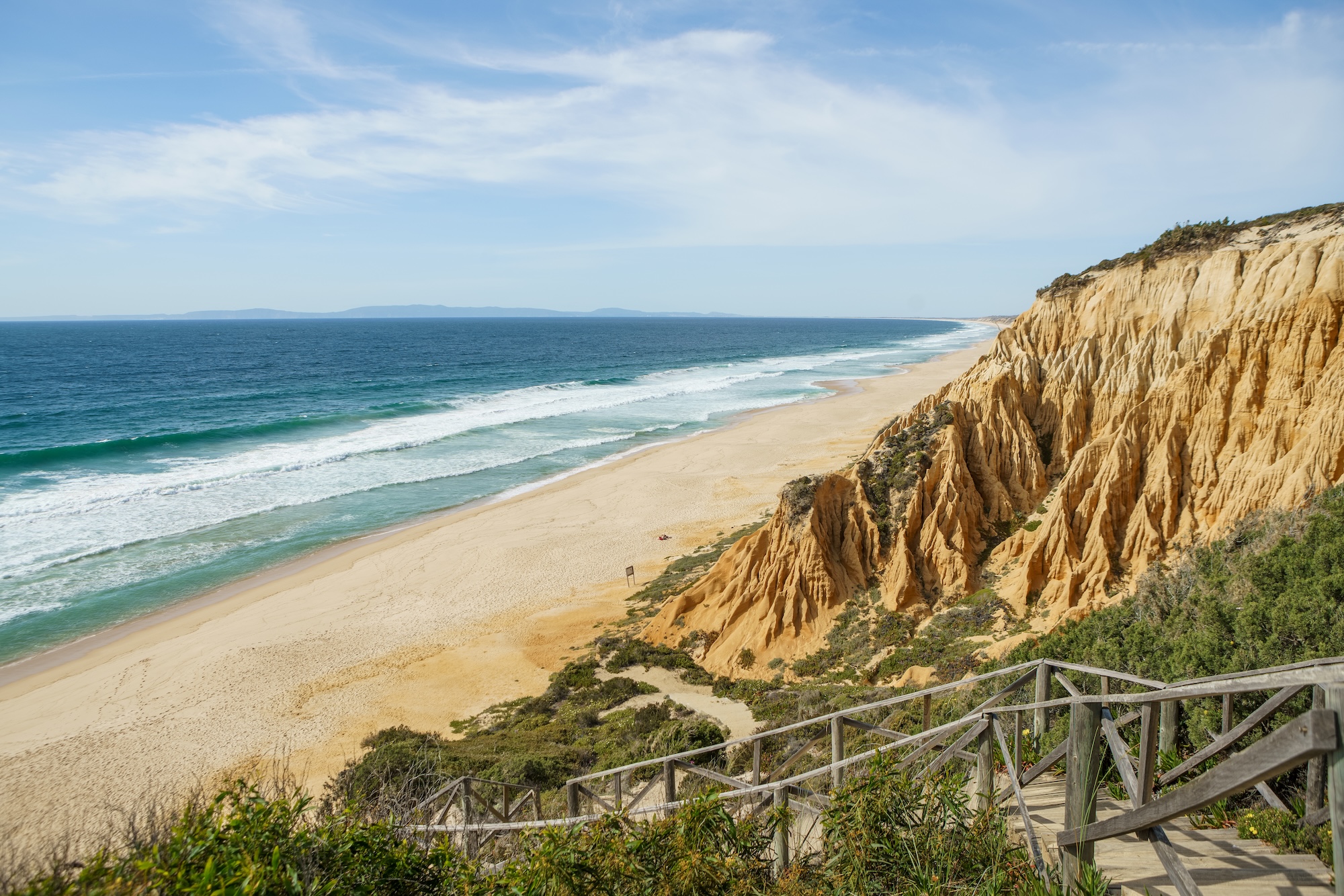
We passed by the site on our way to the beach, which sits roughly 500 metres away, close enough to fold sea air into the same slow, sensory rhythm that defines the first hotel.
And for now, the collection has already grown with two villas nearby, La Salvada, a kasbah inspired residence designed with Egyptian architect Tarek Shamma, and La Maison des Bateaux, a whitewashed boathouse style retreat among the rice paddies. Together with talk of a third property planned deeper in the surrounding pine forest, it is clear that what began as one man’s very personal hideaway is steadily becoming a small, distinctly red thread running through the whole of Melides.
We cannot wait to see more, and in the meantime, we invite you to book your stay through us. Send us a Mail info@irmasworld.com