
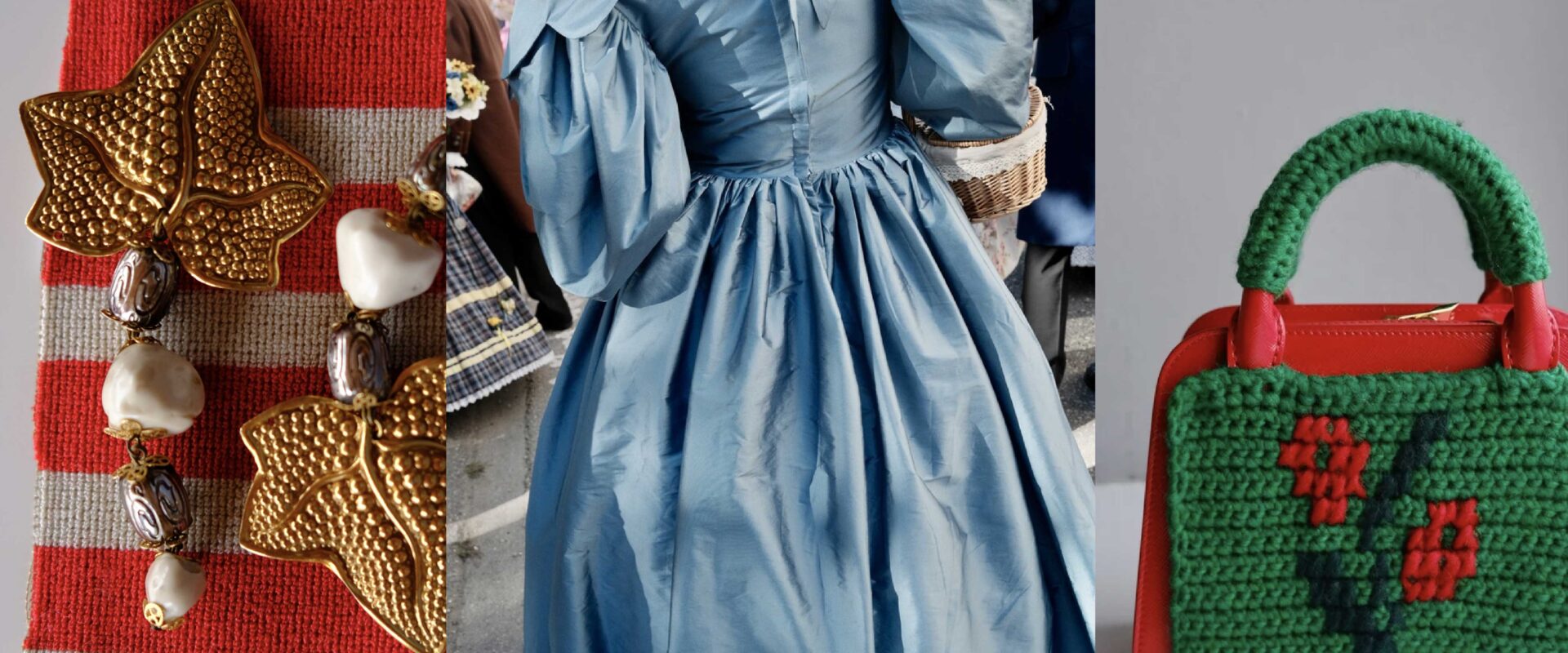
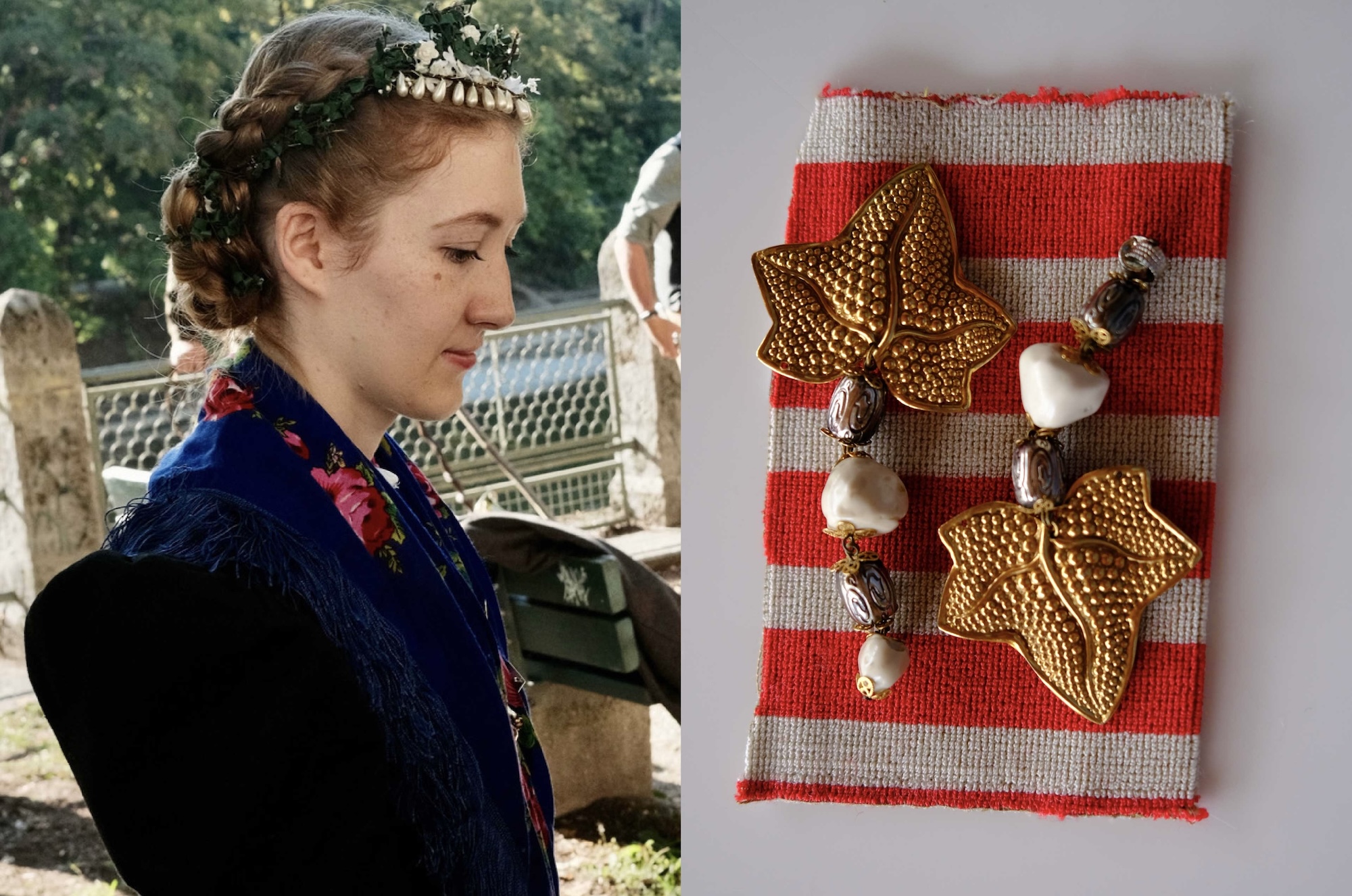
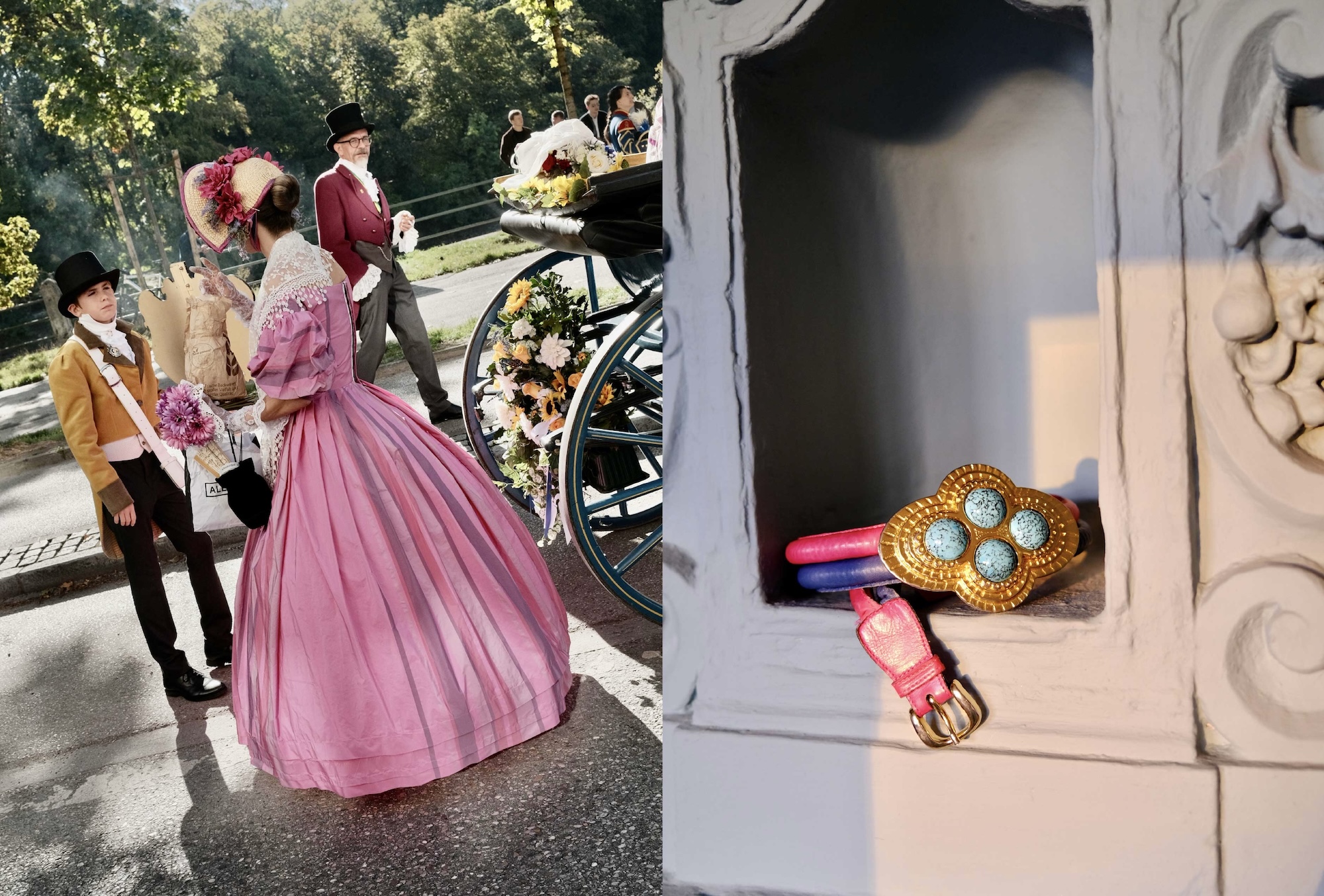
On the first Sunday of Oktoberfest, eight thousand six hundred marchers in dirndls, lederhosen and loden processed through Munich’s old town. I took some shots and came home wanting to put four centuries of Bavarian dress in conversation with the IRMA archive.
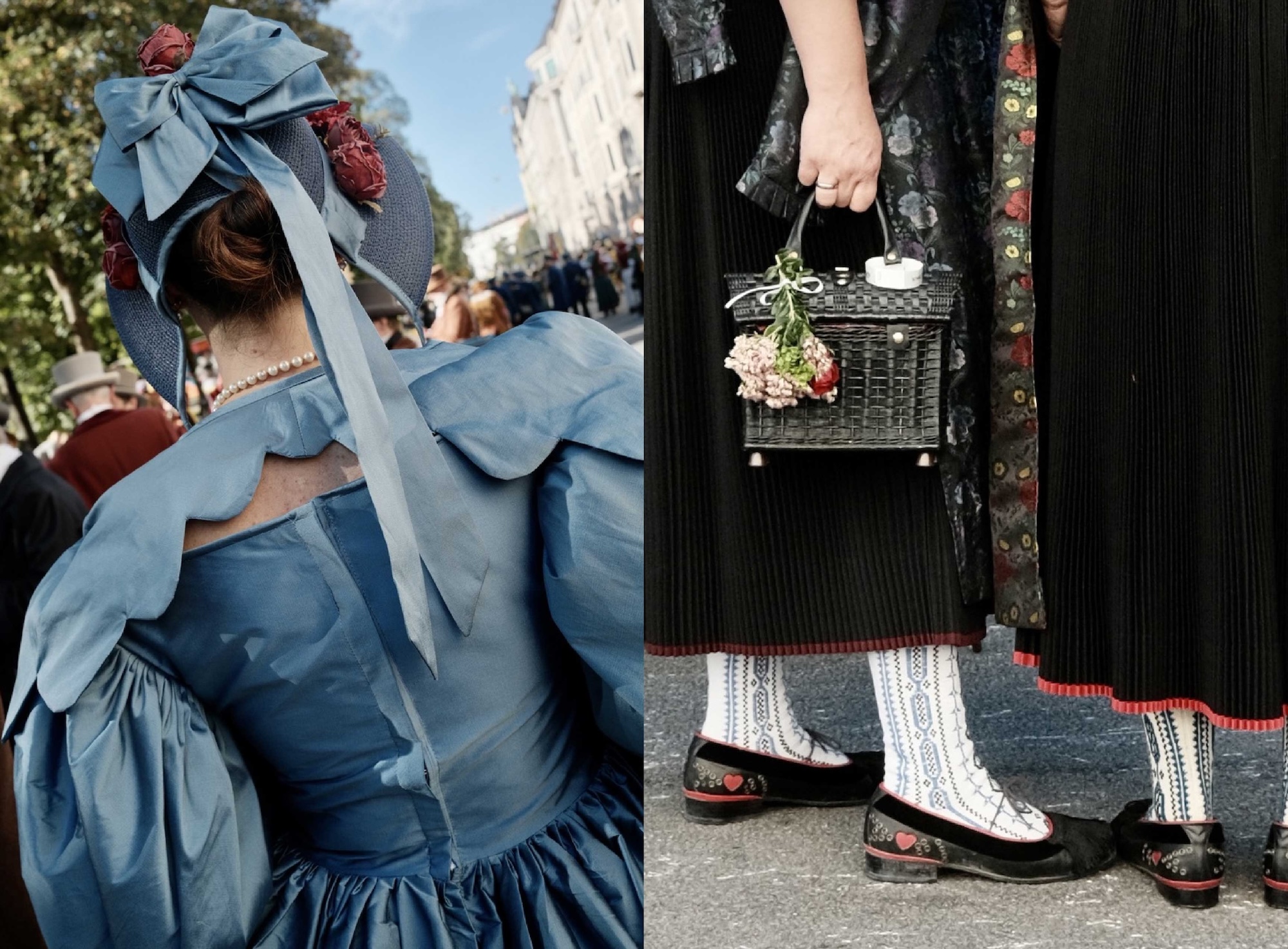
There is a particular hush before the Trachten- und Schützenzug begins, even among a crowd fifty groups deep. At the Maximilianeum on the morning of 20 September, riders from the Munich mounted police took their places at the head of the column, and by the time the parade reached the Theresienwiese, some seven kilometres and two hours later, it had carried with it not a costume party but a working archive: guild banners, brewery carriages drawn by six draught horses apiece, marching bands from as far as Cologne, and the Münchner Kindl riding high above it all. The tradition dates to 1835, first staged for the silver wedding of King Ludwig I with eighty-six floats and a thousand participants; it has run every year since 1948, organised since 1956 by Festring München.
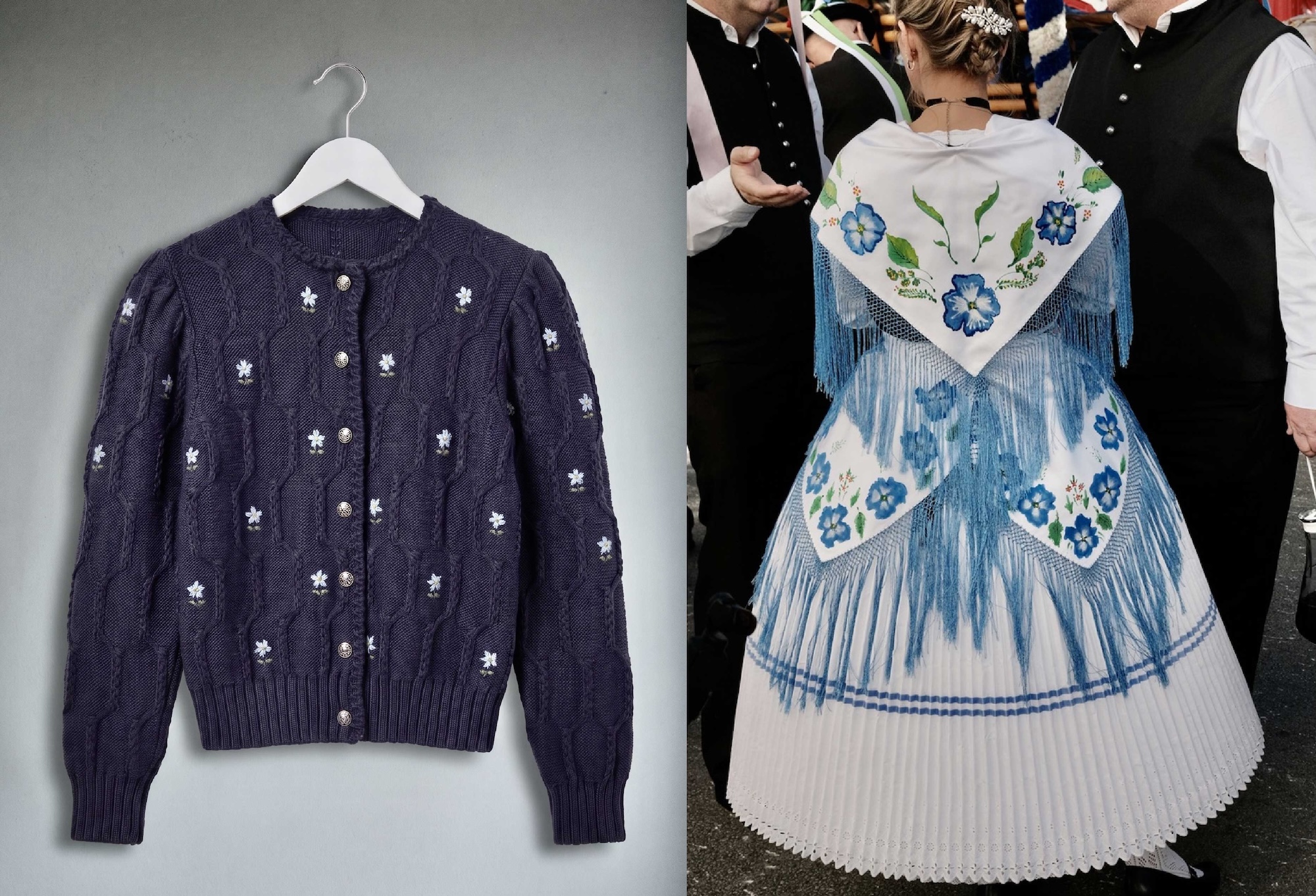
None of that history explains why, camera in hand among the crowd, I found myself thinking less about Oktoberfest than about fashion week. Because that, properly looked at, is what a Trachtenumzug is: a runway that predates the runway, where every regional guild presents its own edit of silhouette, fabric and trim, unchanged in its essentials for a hundred years or more and yet, on the person wearing it, entirely alive. Loden, that dense boiled wool that sheds rain and holds a fold like felt, appeared in a dozen weights and greens, cut into capes, hunting coats and the short, stand collared jackets called Trachtenjanker.
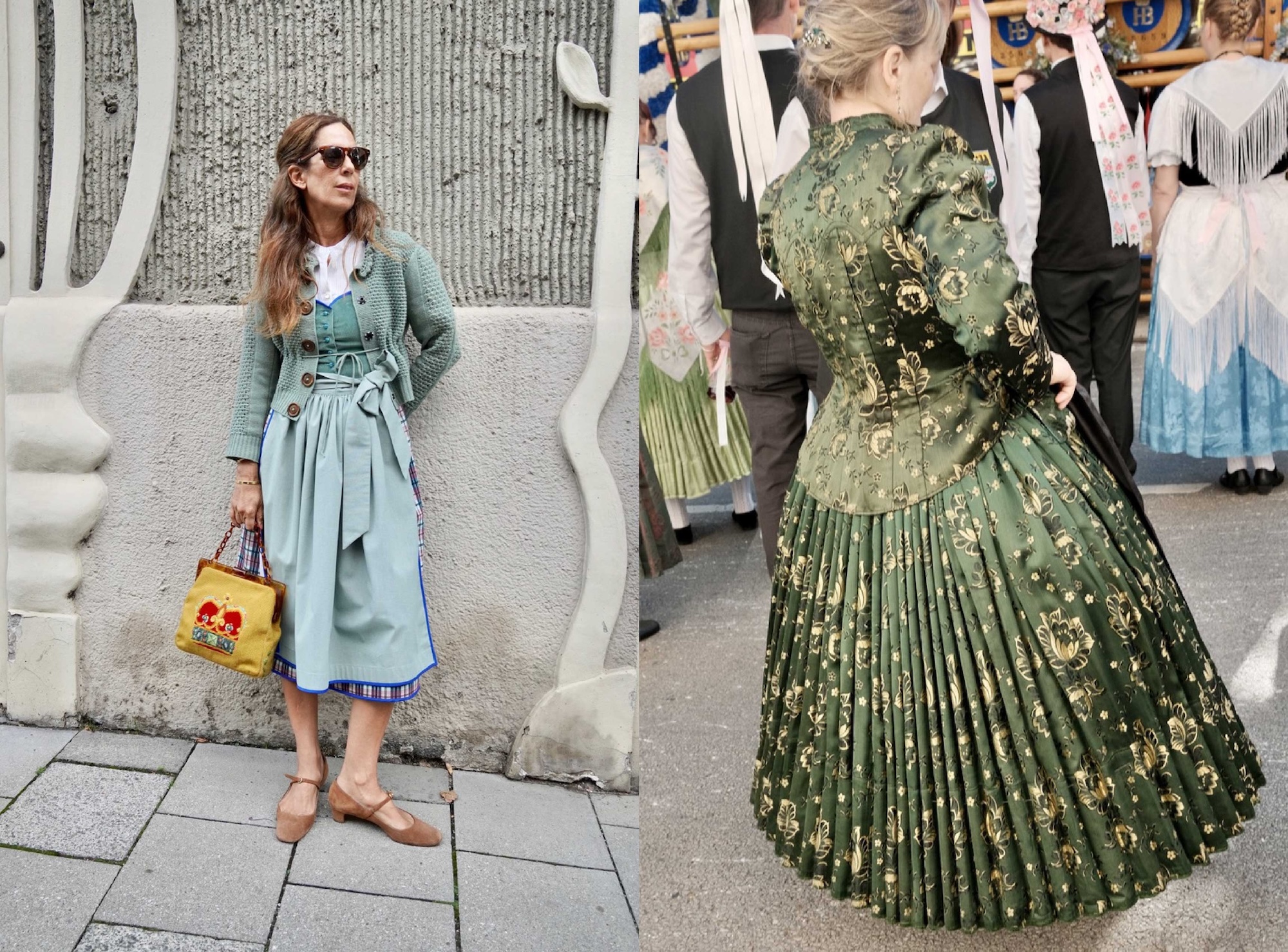
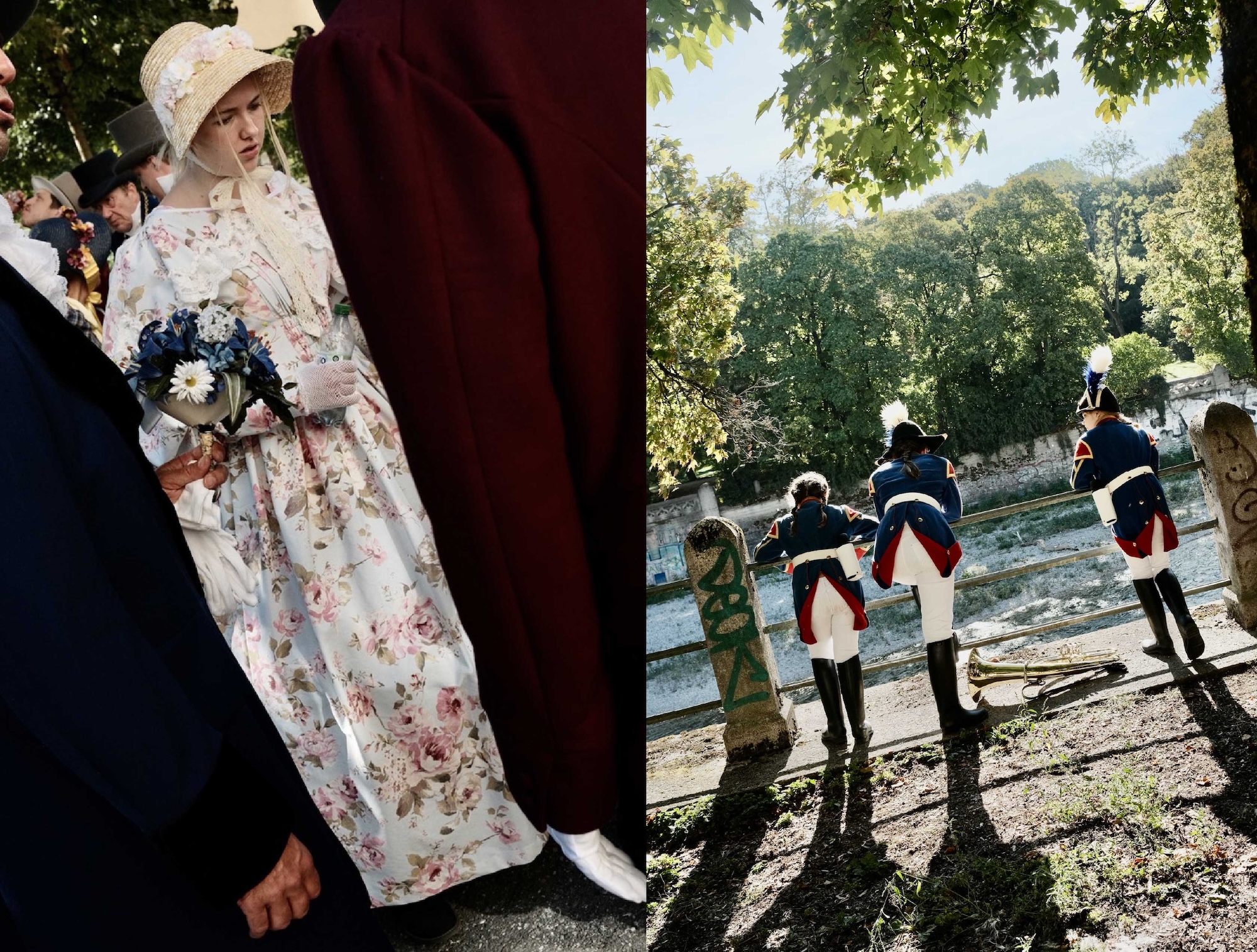
Dirndl bodices were laced over linen blouses whose sleeves had been hand embroidered by someone’s grandmother. It was tailoring, and it was couture in the oldest sense of the word: made by hand, for one body, to be worn for decades.
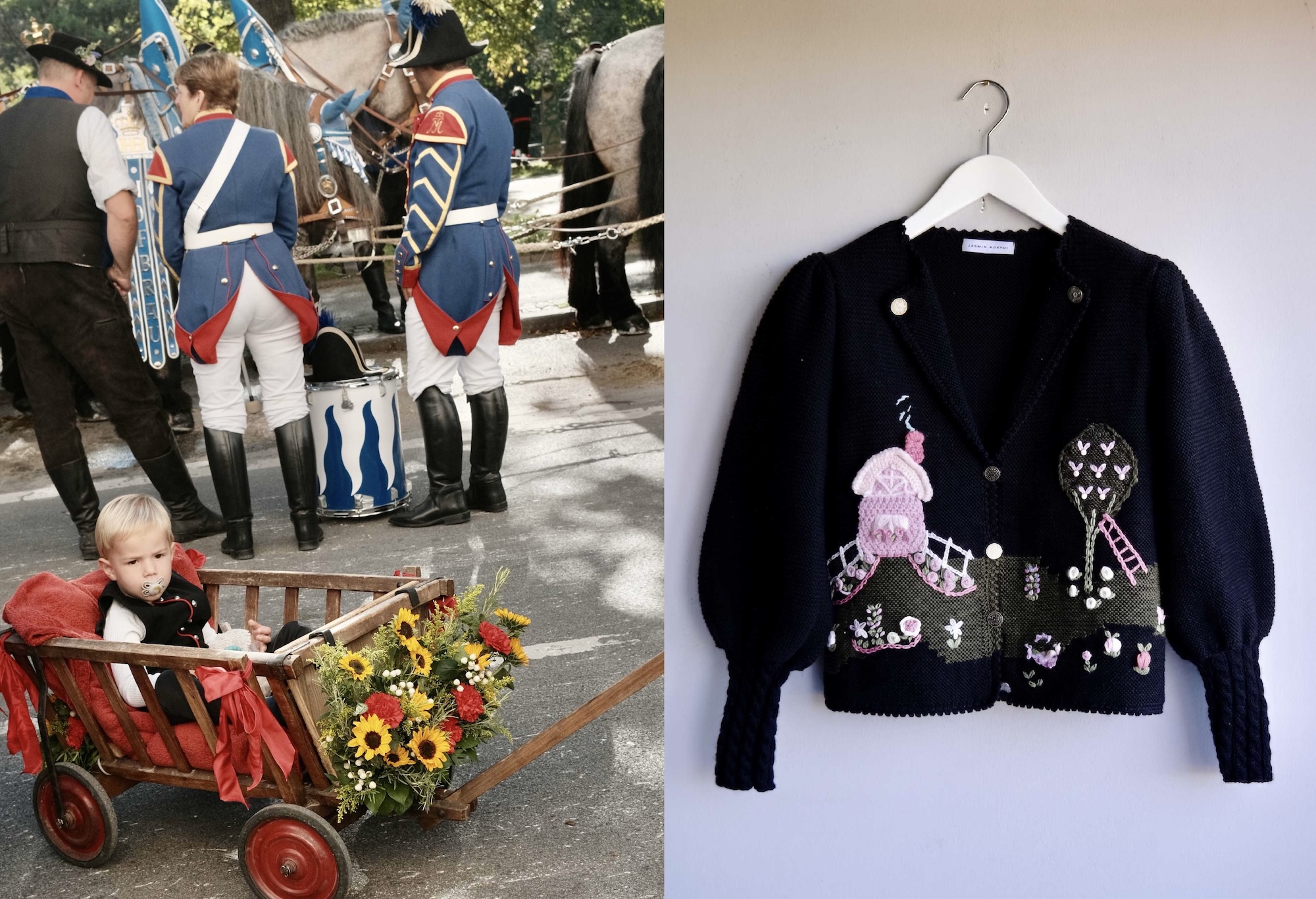
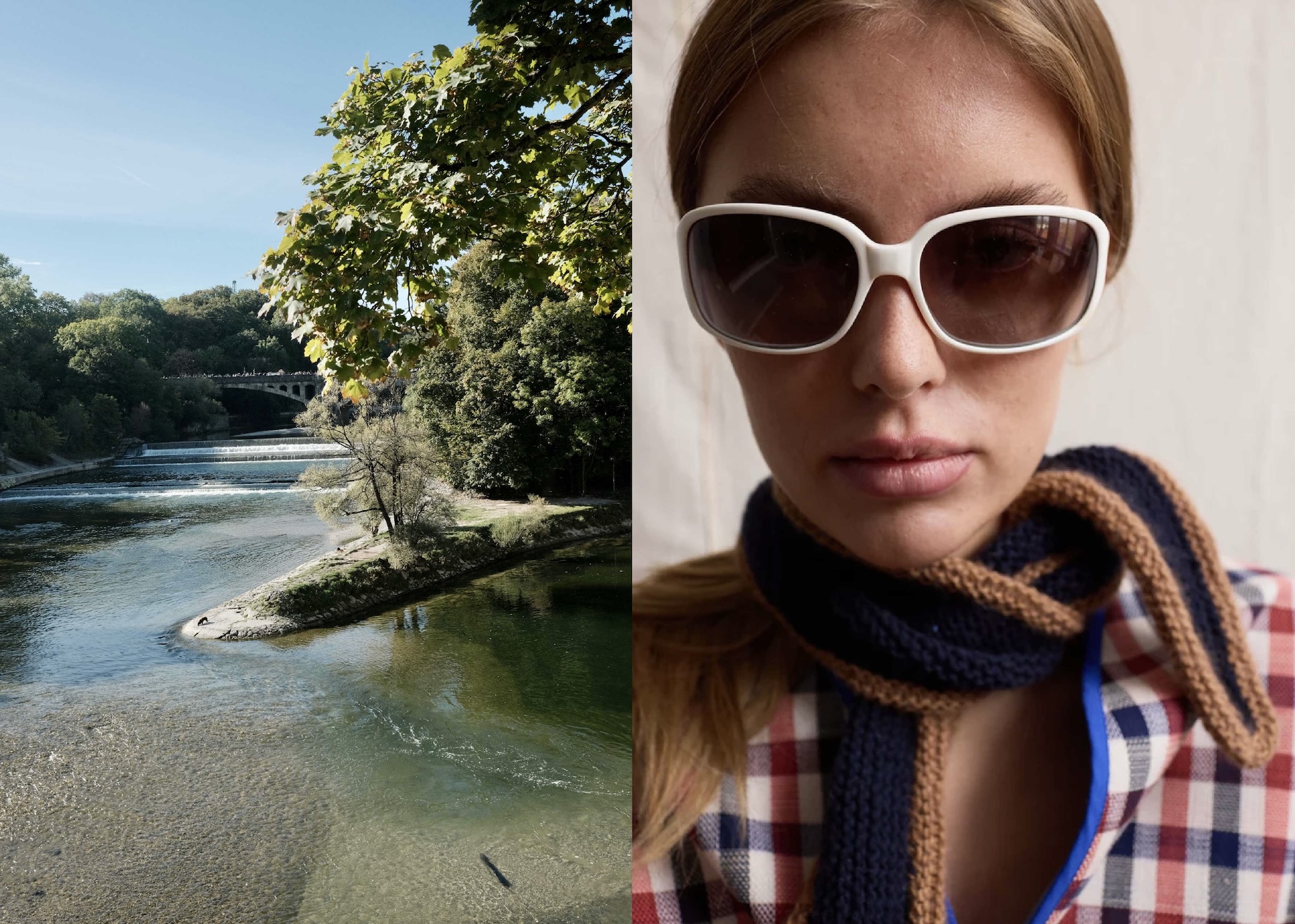
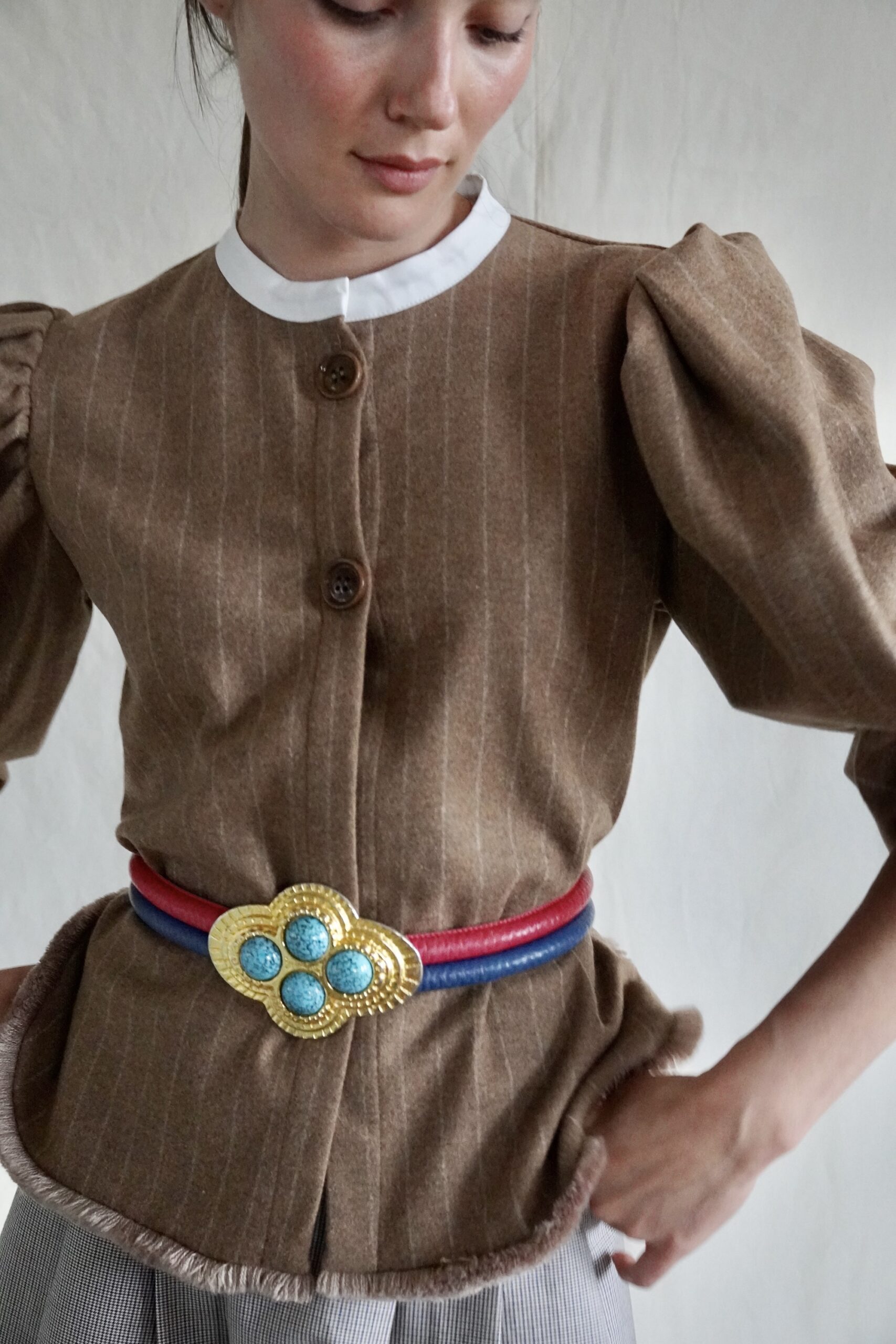
This is the thread worth pulling for also for Jasmin Khezri Collection: the pictures from Sunday’s parade, set beside pieces from IRMA’S ARCHIVE, our own collection of vintage Bavarian dress gathered over years of looking. Put a hand knitted Trachtenjacke from the archive next to a marcher’s coat from this year’s Schützenzug. Put one of the Jasmin Khezri Collection Dirndl with its cotton faded to the colour of weak tea, beside the vivid new silk versions worn by the younger guilds, and a whole design lineage compresses into one frame: heritage as a living pattern book, not a museum piece.
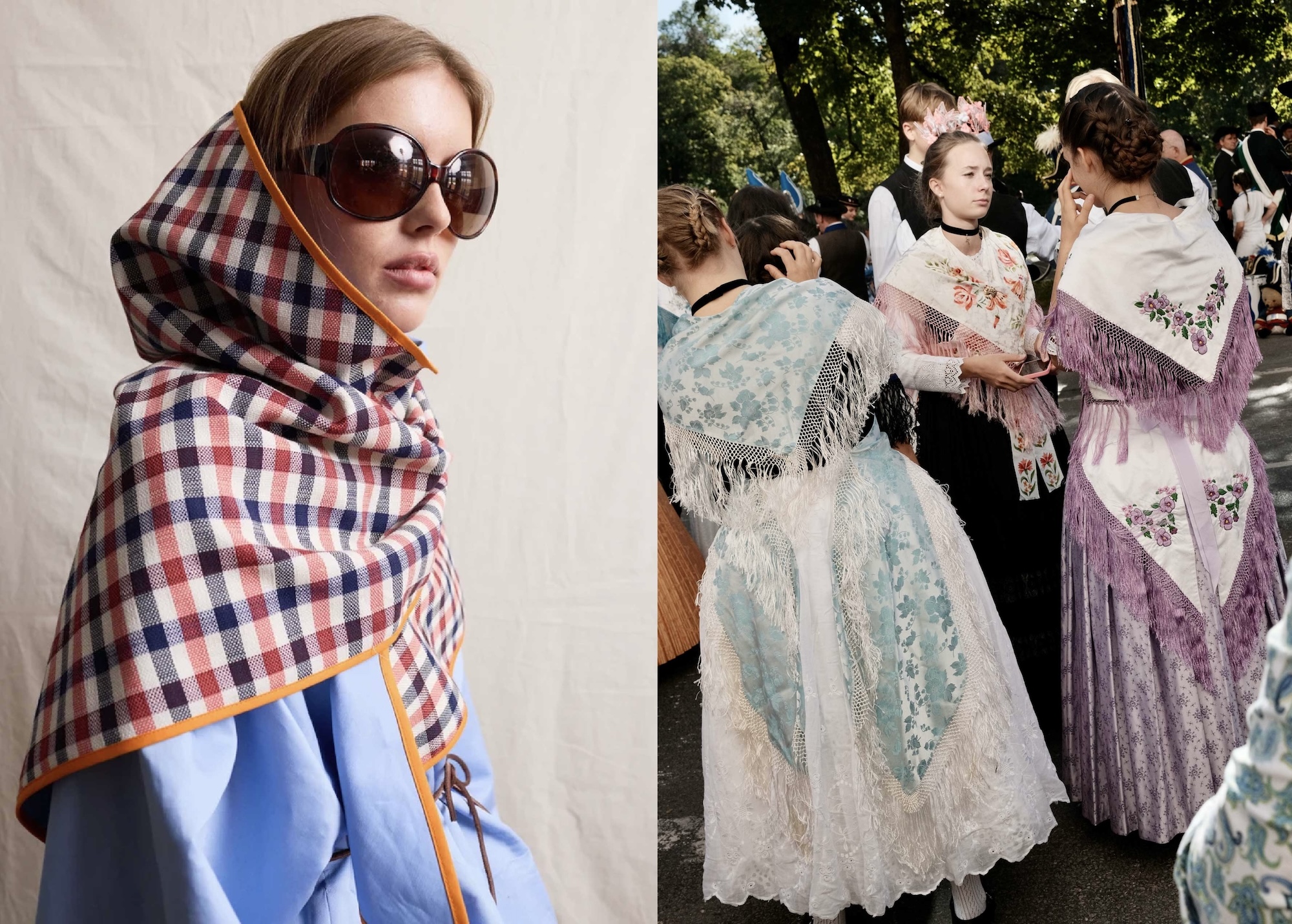
Send us a DM or email at info@irmasworld.com for more information about our collection and vintage pieces.