

Everything you need to know about mesotherapy, from treatment day to long-term results. IRMA speaks with Dr. Timm Golüke.
Mesotherapy sits at the intersection of dermatology and desire: a treatment precise enough to be clinical, yet subtle enough to leave your skin looking unmistakably like itself — only better. Developed in France in the 1950s by Dr. Michel Pistor, the technique involves the microinjection of customised active compounds directly into the mesoderm, the middle layer of skin, bypassing the surface barrier that topical products can never fully cross. What reaches the skin at depth is exactly what the skin needs: hyaluronic acid, vitamins, amino acids, antioxidants, and in some formulations, peptides and growth factors tailored to the individual concern. The results are not dramatic in the way a procedure announces itself. They are the kind that prompt people to ask whether you have slept particularly well, or just returned from somewhere warm.
Treatment timing and scheduling
IRMA: What is the optimal interval between sessions for skin rejuvenation, hydration, and pigmentation, and at what time of year do you recommend starting?
Dr. Timm Golüke: The standard protocol is one session every two to four weeks at the beginning, depending on the concern being treated. Hydration and luminosity respond quite quickly, often visibly after the first or second session. Pigmentation correction is a slower process and typically requires a longer treatment arc before meaningful change is seen.
Most people begin in autumn or winter, which makes practical sense: UV exposure is lower, the skin is often at its driest after a summer season, and the treatment course can be completed in time for the skin to be at its best by spring. That said, mesotherapy can be done year-round as long as rigorous sun protection is maintained.
For maintenance after an initial course, many people move to a single session every six to eight weeks, or seasonally, to preserve the results. Most people begin in autumn or winter. The treatment course can be completed in time for the skin to be at its best by spring.
Post-treatment care
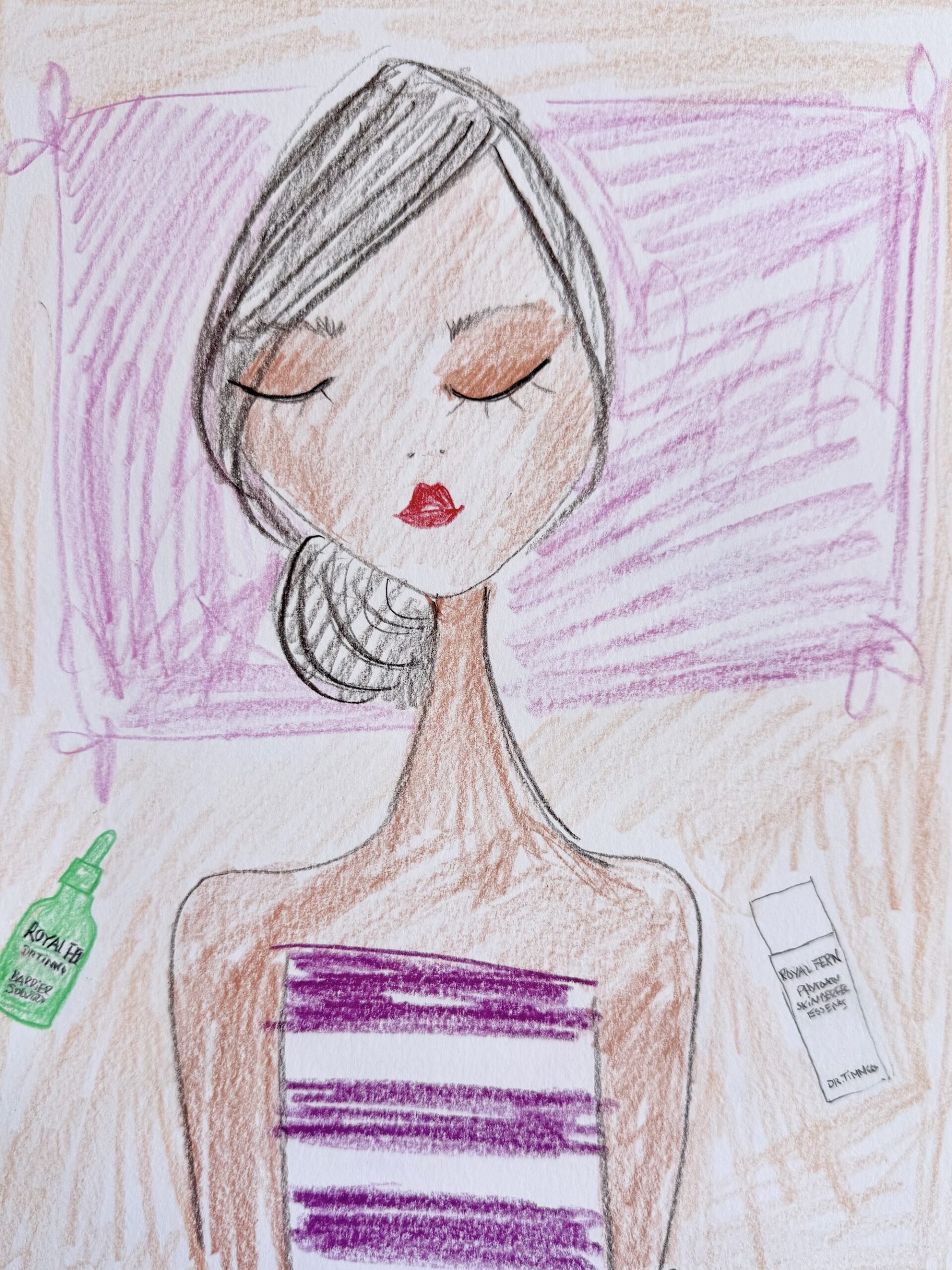
IRMA: What specific skincare routine should I follow in the 48 to 72 hours immediately after mesotherapy, and which ingredients or products should I strictly avoid during that window?
For the first 48 to 72 hours, keep things very simple. A gentle cleanser, a basic moisturiser, and sunscreen. That is really enough.
Avoid anything active: retinol, acids, high-strength vitamin C, scrubs, or devices. Do not introduce any new products in that window either. The skin has just received a precise delivery of actives directly into the tissue, and the last thing it needs is competition from the surface. Think of this period as a kind of protected recovery, where less intervention means better outcomes.
Sun protection

IRMA: How long should I apply SPF protection after each session, and what minimum SPF factor do you recommend?
Dr. Timm Golüke: SPF 50, daily, after each session, and ideally throughout the entire treatment course. The skin is more sensitive following mesotherapy, and UV exposure during this period can compromise results, particularly if you are addressing pigmentation.
Reapply if you are spending time outdoors, and do not underestimate the value of a good hat. Sun protection is not a footnote to mesotherapy — it is part of the protocol.
It is worth noting that this heightened sensitivity is also why many practitioners recommend beginning a course of treatments in autumn or early winter, when UV intensity is lower and the skin has more time to consolidate results before summer exposure resumes.
Activity and lifestyle

IRMA: Are there activities I need to pause after treatment, such as exercise, saunas, swimming, or alcohol consumption, and for how long?
Dr. Timm Golüke: For approximately 24 to 48 hours, skip intense workouts, saunas, steam rooms, and swimming. Anything that generates significant heat in the skin or causes heavy perspiration should wait. The injection channels are still open in the immediate hours after treatment, and heat and sweat increase the risk of irritation or contamination.
Alcohol is best avoided for at least 24 hours as well, primarily to reduce the risk of increased swelling or sensitivity. It is a small discipline in the context of a treatment you have invested in, and the results are worth protecting.
What is normal, and what is not
IRMA: What normal reactions should I expect in the days following treatment, and which symptoms should prompt me to contact you immediately?
Dr. Timm Golüke: Mild redness, a little swelling, small bumps at the injection points, and some bruising are all entirely normal and typically settle within a couple of days. This is the skin responding to the microtrauma of the injections and absorbing the active compounds. It is not comfortable, but it is expected.
What I do not want to see is pain that is increasing rather than fading, redness that is spreading, warmth in the tissue, any sign of pus, or fever. If anything feels as though it is getting worse rather than better after the first 48 hours, contact your practitioner without waiting for the next appointment. These signs can indicate infection, which requires prompt attention.
Dry brushing and additional rituals

IRMA: When can I safely resume facial dry brushing after a mesotherapy session?
Dr. Timm Golüke: Wait at least three to five days, and longer if the skin still feels sensitive. One day after treatment is too soon. The skin barrier is still in recovery, and any mechanical stimulation risks disrupting the healing process and the absorption of the actives that were just delivered. When in doubt, give it an extra day.
What mesotherapy can address
| Deep hydration | Hyaluronic acid delivered directly into the dermis replenishes moisture at a level topical products cannot reach. |
| Luminosity and glow | Vitamin cocktails and antioxidants stimulate cellular renewal and improve radiance. |
| Pigmentation | Targeted brightening actives such as tranexamic acid and vitamin C work on uneven tone over a course of sessions. |
| Elasticity and fine lines | Peptides and amino acids support collagen production, improving skin density and texture over time. |
Dr. Timm Golüke is a specialist in aesthetic dermatology.
This conversation has been edited for clarity and length. Always consult a qualified practitioner before beginning any injectable treatment.